History of Sustainable Fashion: A Brief Timeline

The history of sustainable fashion is a compelling journey of innovation, resilience, and conscious change. From pre-industrial craftsmanship to today’s high-tech circular systems, the evolution of sustainable fashion reflects humanity’s growing awareness of environmental and social responsibility.
This exploration traces how ethical practices have shaped the industry, responding to exploitation, waste, and climate crises, while highlighting visionary designers, activists, and movements that redefined style with purpose. As fast fashion’s consequences become undeniable, understanding this past is vital for building a sustainable fashion future.
History of Sustainability in Fashion
Quick links to the timeline of fashion sustainability:
Pre-industrial Roots of Fashion

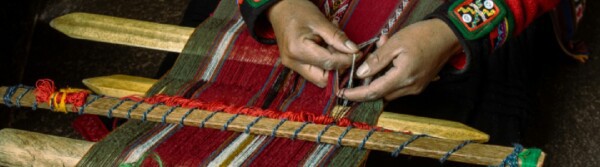
Before the Industrial Revolution, ethical and sustainable fashion was the norm. Clothing items were crafted carefully by hand, using sustainable materials like wool, linen, and hemp. The evolution of sustainable fashion has its roots in the sustainable practices before industrialization.
It laid the foundation of sustainable fashion production practices through necessity, cultural values, and limited resources. Production is tied to local ecosystems, artisanal skills, and a circular economy mindset that prioritizes durability and zero waste. The materials and techniques that made pre-industrial fashion, a slow fashion movement, vary according to regions and their cultural philosophies.
Examples of sustainable fashion practices in this era
Most of the sustainable materials used by ancient Europe, Asia, and the indigenous Americans were natural fibers from plants and animals. Pre-1800s Europeans used wool from sheep, flax linen, and hemp, while indigenous Americans used cotton, agave fiber, and animal hides.
For example, the Inca predominantly used alpaca and vicuna wool to create soft, warm clothing that withstands harsh winters. Pre-1800s Asia relied on mulberry trees and silkworms for silk production, while India mastered organic cotton cultivation and dyed fabrics with indigo and turmeric.
Generally, ancient men mostly used plant-based dyes like madder root, woad, indigo, and turmeric. Some others used cochineal insects to achieve a bright red. They also practiced zero-waste pattern cutting as we know it now. Clothing production entailed using the entire widths of fabrics and repurposing leftover fabrics, reducing textile waste.
Indigenous people also had the habit of mending clothes as often as necessary. They consumed fashion slowly across generations by repurposing and repairing it over decades. An excellent example is ancient Japan, which had the boro technique, which used layers of scrap fabrics dyed with indigo to reinforce old and worn-out garments.
Remember earlier that cultural philosophies also influenced the early practice of sustainable fashion? Some of these philosophies include the holistic respect of resources practiced by Native American tribes. An example is the Navajo tribe, which used every part of the sheep—wool for weaving, meat for food, and bones for tools.
Industrial Revolution: The Birth of the Fast Fashion Industry, and the era of Mass Production, Mass Consumerism

The Industrial Revolution, which lasted from the late 18th to the early 20th century, transformed fashion from a slow, artisanal craft into a mechanized, mass-produced industry, planting the roots of the modern fast fashion industry.
Spinning Jenny and Water Frame
The mechanization of the textile production process started around 1760, when the spinning Jenny (see picture above) and the water frame were invented. The spinning Jenny is a multiple-spindle machine invented by James Hargreaves in 1764 and patented in 1770. It made weaving easier because one garment worker could spin several threads into one strand of yarn.
The water frame improves on James’ spinning Jenny, making it a spinning machine that produces cotton yarn suitable for lengthwise threads (warp). Spinning Jenny produced a weaker thread, which was only used to fill yarn (weft). R. Arkwright patented the water frame in 1769. We moved from this to using synthetic dyes for mass production.
Power Loom and Cotton Hin
Edmund Cartwright, creator of the power loom, and Eli Whitney, inventor of the cotton gin, were the next innovators leading the evolution of fashion at the time. The power loom, invented in 1785, uses water as an energy source to increase the speed of the weaving process, while the cotton gin, invented in 1793, was built to separate cotton fibers from their seeds quickly.
Synthetic dyes
We started using synthetic aniline dyes, created by a British chemist, William Perkin, in 1856. He made the shades of purple, magenta, yellow, blue, and pink pigments from coal tar. Aniline dyes became frequently used in the fashion industry because they were more intense than natural dyes.
Sewing Machine
Another technological innovation that contributed significantly to the evolution of the fashion revolution was Isaac Singer's invention of a sewing machine in 1851. Now, we have various brands and more advanced forms of sewing machines, making it easy for fast fashion to keep churning out cheap fashion items.
Technological innovations advanced the fashion supply chain, making clothes and other fashion products more affordable and easily accessible. However, the innovations introduced various forms of worker exploitation, environmental degradation, and a cultural shift in disposability.
By the 20th and 21st centuries, fast fashion had become a staple in various households. However, fast fashion brands often do not adopt sustainable practices. Instead, they push consumers to consume excess fashion while ignoring the environmental impact of their unsustainable practices.
Early 20th century: Conservation and Wartime Austerity
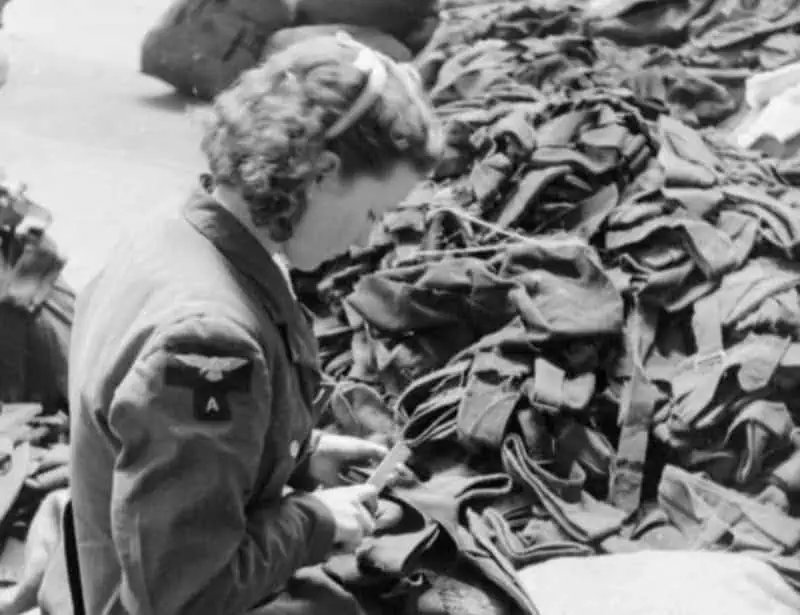
The early 20th century was filled with the Great Depression and World Wars, which forced the fashion world to practice resource efficiency. World War I (1914 to 1918) and World War II (1939-1945) marked a pivotal shift in the fashion industry by imposing severe material scarcity in the supply chain.
Rationing Policies and Campaigns
The scarcity prompted governments to enforce rationing policies that reshaped consumer habits, reducing mass consumerism. Fabrics like wool, silk, and rubber were used strictly for military purposes, leading to strict regulations on public clothing production.
Some of the policies set include:
- Britain introduced the Utility Scheme, CC41, in 1941 to standardize clothing production to minimize waste2. The government consulted with top designers like Hardy Amies, Charles Fedrick, Digby Morton, and Edward Moyneux to design a capsule collection based on the restrictions in the clothing industry.
- The United States introduced the L-85 order in 1942, which restricted feminine clothing styles by reducing skirt lengths and banning the use of unnecessary embellishments. Hems and belts could not be more than two inches wide, garments could not have more than one pocket, and scarves were banned1.
Britain also started a public campaign titled Make Do and Mend in 1942, encouraging the ethical and sustainable practices of repairing and repurposing damaged and worn-out clothes3. Citizens received pamphlets with practical tips on darning socks and repurposing curtains into dresses.
The World Wars influenced the fashion industry's styles. Designers focused on producing simpler, more functional designs, starkly contrasting the opulence of past decades. This era in the evolution of the sustainable fashion movement showed that large-scale behavioral change is possible under pressure.
It also shows us how necessity is a driving force for sustainable innovation in the fashion industry. It offered valuable lessons for our efforts to reduce waste in the textile industry and combat fast fashion.
Counterculture and Environmental Awakening in the 1960s - 1970s
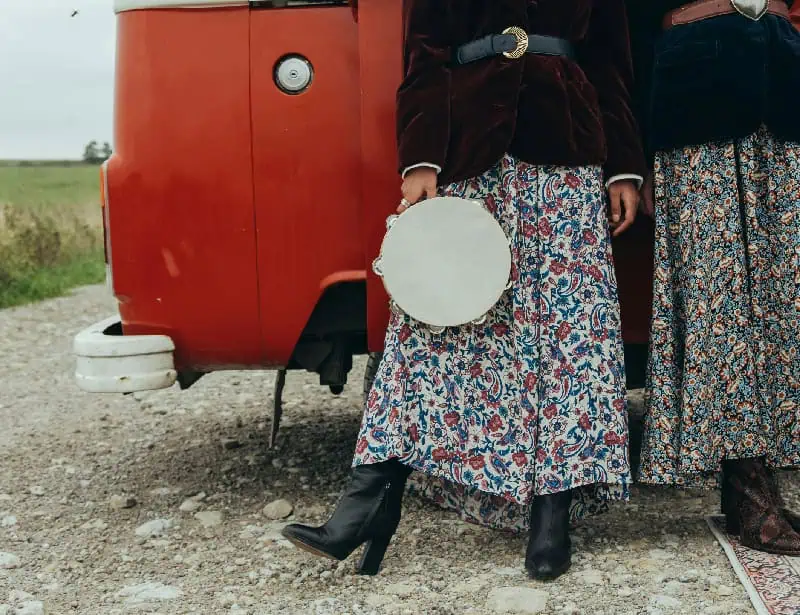
The 1960s to 1970s were significant in the evolution of the sustainable fashion industry due to the rise of counterculture movements and the growing environmental awareness that challenged fast fashion brands.
During this era, young activists and designers rejected clothing made with synthetic materials, demanding clothes made with natural and biodegradable materials and secondhand clothing.
Influence of Eco-warriors
The environmental movement was also influenced by books like Rachel Carson’s Silent Spring (published in 1962), which exposed the environmental impact of industrial pollution, including toxic textile dyes and pesticides. Early concerns about the fashion industry’s environmental impact laid the groundwork for today’s slow fashion movement, prioritizing ethical practices and longevity over fast trends.
Furthermore, political activists played a significant role in shaping the sustainable fashion movement and the industry’s shift towards environmental responsibility. Hippie culture was on the rise, and it embraced ethical fashion by wearing handwoven fabrics, tie-dye, and upcycled clothing as symbols of resistance against corporate exploitative practices.
Sustainable fashion designers like Laura Ashley popularized nature-inspired styles by sewing with organic cotton and floral prints. Protests against animal cruelty and for animal rights in the fashion industry gained momentum for the anti-fur movement, leading to the development of leather alternatives and reducing the use of animal-based fabrics.
This period saw the establishment of environmental organizations like the Environmental Protection Agency (EPA), Global Reporting Initiative (GRI), and the Clean Clothes Campaign. These organizations are focused on environmental responsibility and promoting more sustainable practices among fashion brands in the industry.
Rise of brands focusing on sustainability
The 1960s to 1970s also saw the first corporate responses to concerns about the environmental impacts of the fast fashion supply chain. Fashion brands like Patagonia became more vocal about the need to make significant progress to ensure a sustainable future.
It pioneered using recycled materials, mainly recycled polyester, and advocated for fair labor practices within its supply chain. The industry wasn’t significantly sustainable yet, but counterculture’s rejection of excess and pointless consumerism and acceptance of simplicity fostered our current sustainable fashion practices.
The Rise of Eco-fashion in the 1980s-1990s
The 1980s and 1990s marked a pivotal shift in the evolution of sustainable fashion as ethical fashion became mainstream. Consumers, designers, producers, and the government became more aware of the environmental repercussions of fast fashion practices. More brands started integrating eco-friendly principles into their framework.
The terms ‘sustainable fashion’ and ‘sustainable development' became part of mainstream discussions in 1980 because of the United Nations Brundtland report. Eco-friendly fashion became the alternative to the unchecked rise of fast fashion, which prioritized profit over environmental wellness. Fast fashion constantly finds ways to facilitate low production costs, even at the expense of its workers.
We designed innovative materials to reduce the harm caused by the textile industry. Many brands experimented with organic cotton, recycled polyester, hemp, and bamboo fabric to stop using resource-intensive fabrics.
The anti-fur movement continued to gain traction, with high-profile campaigns highlighting animal cruelty and pushing luxury brands to reconsider their use of fur. In 1993, Patagonia was one of the environmentally responsible brands that experimented with innovative materials, like recycled fleece.
During this era, activists and designers like Katharine Hamnett (see Instagram photo above) and Kate Fletcher used fashion as a platform for political statements. It is as simple as printing environmental justice and climate change slogans on t-shirts. While sustainable fashion remained a niche market, these eras laid the foundation for a more sustainable future in the industry, proving that style and ethics can coexist.
The Era of Mainstream Eco-friendly Fashion, Rise of Circular Economy Practices and Technological Innovations, starting from the 2000s to the 2020s
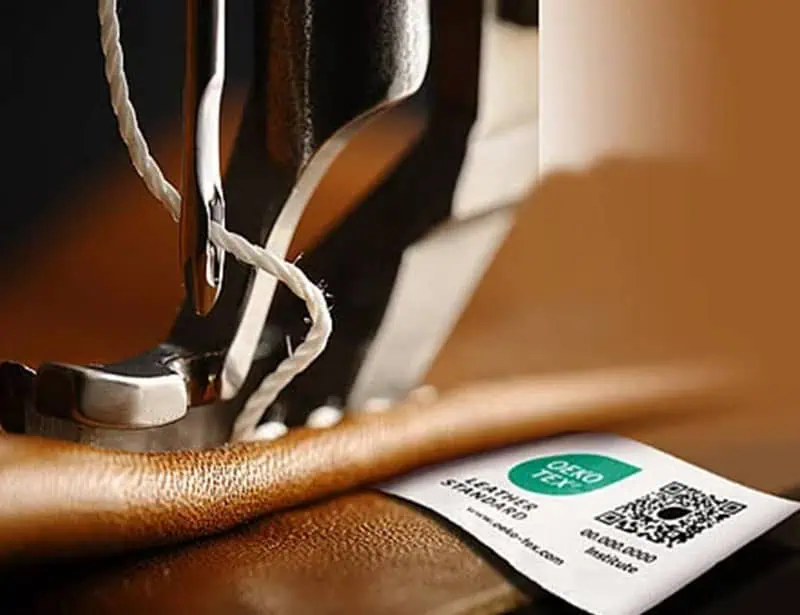
The 2000s brought about fashion certifications that attest to a brand's ethical practices. Some include the Global Organic Textile Standard (GOTS), founded in 2002, and Fair Trade, founded in 1992. Fair Trade certifies brands that pay fair wages, provide good working conditions, and respect human and labor rights.
It marked a turning point as sustainable fashion moved from activism to mainstream consciousness, mainly because of the growing awareness of climate change and labor abuses. This awareness has convinced several fashion brands to adopt sustainable practices.
Around 2007, political activist Kate Fletcher coined the term " Slow Fashion," which refers to the use of choice, information, cultural diversity, identity, and balance to create durable and functional products.
Consumers slowly start considering and practicing it by prioritizing quality over quantity, longevity, and waste reduction. At the same time, brands experimented with sustainable alternatives and ethical fashion options like recycled materials, hemp, pinatex, apple leather, and so on.
By the 2020s, the focus had shifted to the circular economy, which improved fashion operations. Circular fashion began as a holistic solution, emphasizing durability, repair, and recycling to minimize waste. Fashion rental programs and services like Rent the Runway and ThredUp prove that circular economic practices work.
Technology played a pivotal role, with AI optimizing production and blockchain ensuring transparency. Together, these advancements proved that sustainable fashion could thrive within a circular economy, transforming the industry from a linear consumption model into a regenerative system.
Conclusion
The history of sustainable fashion reveals a powerful evolution—from pre-industrial resourcefulness to today’s global conversation about ethical practices. What began as a niche movement inspired more brands to embrace ethical fashion, proving that style and sustainability coexist.
Glossary Terms:
| 1 | Goles, K. (2023, January 19). What not to wear: Clothing rationing during World War II: In Custodia legis. The Library of Congress. |
| 2 | Imperial War Museums. (2025). How Clothes Rationing Affected Fashion In The Second World War. Imperial War Museums. |
| 3 | Imperial War Museums. (2025). How Clothes Rationing Affected Fashion In The Second World War. Imperial War Museums. |
Jen’s a passionate environmentalist and sustainability expert. With a science degree from Babcock University Jen loves applying her research skills to craft editorial that connects with our global changemaker and readership audiences centered around topics including zero waste, sustainability, climate change, and biodiversity.
Elsewhere Jen’s interests include the role that future technology and data have in helping us solve some of the planet’s biggest challenges.
