Biodegradable Fabrics - All You Need to Know

You come across daily information about how the fashion industry is poisoning the environment with toxic chemicals and microplastic pollution. Some people think constant material recycling is the answer; however, even the circular economy cannot wholly eliminate textile waste. Therefore, as the industry attempts to create infinitely recyclable synthetic fabrics, we should look back to biodegradable fabrics.
TABLE OF CONTENTS:
What is biodegradability?

Biodegradation is the process by which organic materials break down into their base components through the actions of living microorganisms. The original material would have broken down into carbon dioxide, methane water, biomass, and minerals during biodegradation. Biodegradation is complete when nature reabsorbs the mineral components of the original material.
What makes a fabric biodegradable?
For biodegradability claims in the European Union, at least 90% of the material should degrade into CO2, water, and minerals within six months in a natural environment.
According to the American Federal Trade Commission, a product is biodegradable if it completely breaks down and returns to nature within a year after usual disposal. A fabric that meets or exceeds that expectation is biodegradable.
Conditions for fabric biodegradability
Not all natural elements are biodegradable, but all biodegradable materials have natural origins. A biodegradable fabric must come from organic sources, but not every natural fiber is biodegradable. For example, they make plastic fabrics from naturally occurring fossil fuels, but they are not biodegradable. Also, rayon, made from wood pulp, is technically biodegradable but doesn't biodegrade in a landfill environment.
The biodegradation rate depends heavily on the location's bioactivity, temperature, and moisture levels. So, pieces of the same fabric can biodegrade at different speeds based on where and how we dispose of them. Biodegradation can happen in soil, home or industrial compost, and water bodies. The environment of an industrial or backyard compost bin is controlled to hasten the process. However, in nature, biodegradation occurs faster in the soil than in aquatic environments.
Additionally, the type of fiber contributes to the observed speed of biodegradation. A study showed viscose fibers degraded faster than cotton or lyocell fibers under ideal soil conditions2.
13 Examples of Biodegradable Fabrics
You can find two or more wool and cotton clothes in your closet now. These are the most common examples of fabrics that are naturally biodegradable. However, there are many more examples.
1. Hemp
Hemp is one of the most sustainable fibers. Its cultivation and processing are usually environmentally friendly. Hemp is often undyed and unblended. It will biodegrade in a couple of weeks to a few months. Hemp lends itself to almost any use in fashion.
2. Linen
Linen is durable and luxurious. It is one of those fabrics that look great without dyes. Pure, untreated linen can completely decompose within two weeks.
3. Wool
Not only will wool biodegrade, but it can also do so in as little as three months under favorable conditions. In less-than-ideal circumstances, wool can take years to decompose. All kinds of wool are biodegradable.
4. Cotton
The most used plant fiber, cotton, accounts for 60% of textile consumption in the US. Under the right conditions, cotton will decompose in about five months, depending on the fabric size.
5. Bamboo
They obtain bamboo fiber through mechanical or chemical extraction. The mechanical process breaks down the plant using natural enzymes and bamboo fabrics made that way biodegrade in a year or less. Chemically extracted bamboo isn't considered biodegradable.
6. Silk
Silk is a highly sought-after luxury fabric that is soft, strong, and resilient. Silk's dense structure is perhaps why it takes so long to decompose. The process can take one to four years or even more than that.
7. Jute
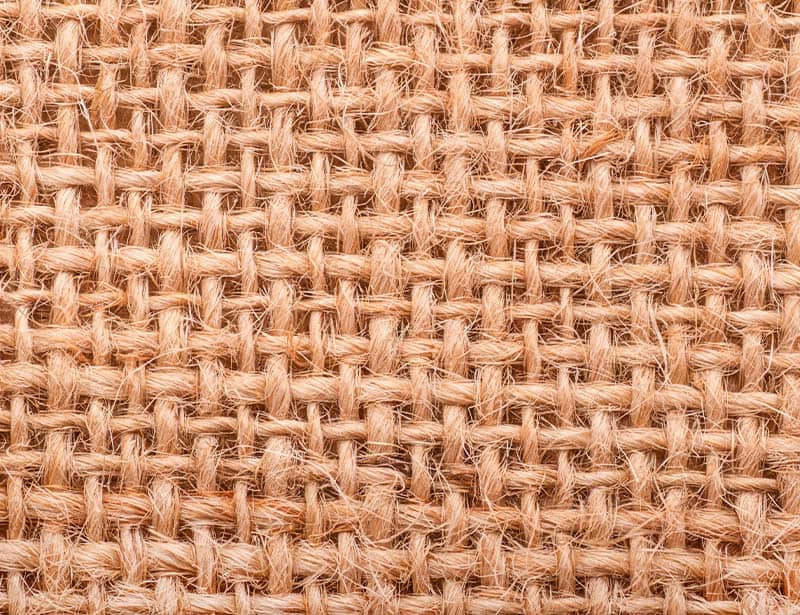
Jute is a natural fiber that is derived from the stalks of the jute plant. It is mainly woven into sackcloth and ropes, but the versatile fiber is also an excellent choice for geotextiles. Jute can be used alone or blended with other fibers. It is entirely biodegradable and recyclable.
8. Wood pulp fabrics
TENCEL Lyocell, Modal, Rayon, Viscose, and Acetate are fabrics made from cellulose extracted from trees (usually eucalyptus). They are plant-based and technically biodegradable; however, most do not. Your best bet for actual biodegradable wood pulp fabric is TENCEL Lyocell.
9. Abaca
Abaca is a leaf fiber extracted from the leaf stalks of the Abaca plant. The fiber is typically woven into ropes and mats. In the Philippines, the Abaca plant is an essential source of cordage material. Abaca is not only biodegradable but also meets other sustainability parameters.
10. Leather
Animal leather gets a bad rap but is vital in managing the meat industry's byproducts. Chemical treatments can render leather nonbiodegradable, which is usually the case. However, a study showed that chrome-free, natural tanning methods can accelerate complete biodegradation5.
11. Biodegradable polyester
Polyester isn't ordinarily biodegradable, but innovations in the textile industry have produced polyester fibers that can decompose. Polylactic acid is a good example.
The different methods of producing biodegradable polyesters influence how fast and completely they decompose. These fabrics most often biodegrade within months in an industrial compost environment but do so more slowly in other environments.
12. Mushroom leather
Mushroom or fungal leather is an innovative, sustainable fashion material that is an alternative to animal leather. It is low-impact at all stages, vegan, easily renewable, and cheap. Most importantly, it is highly biodegradable. The quality of Mushroom leather is almost the same as animal leather.
13. Pina
Many fibers originate from agricultural waste, and pina is one such fiber. Local Philippines weavers extract fibers from pineapple leaves and weave them into light, airy fabric. Local manufacturers produce pina by hand with no synthetic additives.
Why are biodegradable textiles better for the environment?
Sustainable fashion isn't possible without sustainable fabrics. Biodegradability is one of the most desired qualities of sustainable fashion. Let's see why
Low-impact textile waste management
The US generates 17 million tons of textile waste annually and recycles only 2.5 million tons. We incinerate some waste, but most end up in landfills and aquatic environments.
Nonbiodegradable materials like synthetic textiles will remain unchanged for up to 500 years. They take up limited landfill space. If you don't recycle decomposable fabrics, they eventually decay, reducing the strain on landfills.
Reduces plastic pollution
Plastic waste has invaded our environment, causing health and safety problems for humans and animals. Synthetic fabrics account for 16-35% of microplastics that enter marine environments yearly.
Unfortunately, synthetics comprise 69% of global textile consumption6, with polyester being the most used. Only 13% gets recycled, and most of them come from PET bottles, not post-consumer textiles. With biodegradable fabrics, plastic or microplastic pollution is not a concern.
Improves soil health
Biodegradation improves soil health by releasing valuable nutrients and stimulating bioactivity. It is how nature recycles nutrients and minerals for plant growth. Your old biodegradable clothes can also help treat contaminated soil through a process called bioremediation.
A nonbiodegradable textile will leach toxic chemicals like azo dyes, phthalates, and bisphenols into the environment. These chemicals degrade the soil and can even find their way into our water supply.
Material recovery through organic recycling
In the circular economy, once we extract materials, we should continually recycle them, even as they change forms. Organic recycling is a way to convert biodegradable clothing into biomass, energy, gas, and other value-added products. Cotton and biodegradable polyester are promising sources of organically recovered ethanol and biogas4.
Reduce reliance on fossil fuels
The fashion industry, especially fast fashion, is heavily reliant on petroleum. The production of nylon, acrylic, PVC, and other plastic fabrics accounts for 1.35% of global oil consumption7. Not only is petroleum extraction polluting, but scientists have warned that it will run out in a few decades.
We obtain decomposable fabrics from natural, renewable fibers, making them an environmentally responsible choice for promoting the circular economy.
When is a biodegradable fabric not biodegradable?

A biodegradable textile may not easily biodegrade if certain factors interfere with the natural process. For example, a natural fiber treated with synthetic chemicals, plastic-based coatings, and toxic dyes will decompose much slower than usual and may not decompose completely.
Fabrics that blend natural and synthetic fibers won't decompose completely. And, of course, the buttons, zippers, and labels on your clothes are usually synthetic materials, so they won't biodegrade even if the fabric does.
What about bio-based fabrics?
They make these fabrics fully or partially using natural materials other than fossil fuels. These fabrics are usually semi- or fully synthetic. Manufacturers of bio-based fabrics often claim biodegradation but typically fail to disclose the technicalities involved, although the European Commission insists they should.
Many of these bio-plastic fabrics can not biodegrade naturally in a landfill environment where most textile waste ends up. Apple leather, pinatex, bio-polyamide, and polytrimethylene terephthalate are just a few examples.
Biodegradable and compostable fabrics: are they the same?

Compostable fabrics are a subset of biodegradable fabrics. Both will decompose into their base components. The difference between the two is where biodegradation occurs, at what speed, and the environmental impact.
A fabric can be both biodegradable and compostable. However, composting occurs only under specific conditions—a home or industrial compost bin. On the other hand, biodegradation can happen in various uncontrolled environments.
Different standards worldwide dictate that compostables decompose within days or months3, while biodegradables can take a couple of years or even decades.
Biodegradables can sometimes leave behind toxic chemicals they were treated with. However, because we use compostables to enrich the soil, they should be completely natural and not leach harmful chemicals.
The oxo-degradable confusion
Oxo-degradable fabrics are synthetics enhanced with additives that make them break down into smaller pieces faster. It doesn't mean the material biodegrades; it simply speeds up photodegradation.
Oxo-degradation reduces visible littering and landfill strain. However, it accelerates microplastic pollution, as the micro fragments are not biodegradable. Because of its far-reaching impact on the environment and human health, the European Union banned oxo-degradable plastics.
Are all biodegradable fabrics environmentally friendly?

In the US, fully biodegradable products cannot contain toxic chemicals. Therefore, biodegradable clothing should decompose into the base elements of the fiber material without leaving any toxic chemical residue.
However, biodegradable doesn't automatically mean sustainable. Sustainable fabrics are more than just their ability to decompose. Sustainability considers the entire process of production, usage, and disposal.
Fiber sourcing
A biodegradable fabric produced through an environmentally degrading and energy-intensive process is not sustainable. That's why we consider organic cotton, which uses less water, pesticides, and synthetic fertilizer, more eco-friendly than conventional cotton.
Resource consumption
The drying up of the Aral Sea is an example of a biodegradable fabric causing catastrophic consequences through overconsumption of resources. Estimates suggest a single cotton shirt requires 2,700 liters of water, which is enough drinking water for one person for two and a half years. Plant fibers, especially cellulose-based ones, contribute to deforestation.
Toxic additives
Biodegradability does not guarantee low toxicity. Decomposable textiles can contain carcinogens, mutagens, and other toxic chemicals. Natural fabrics treated with harsh chemicals can cause as much environmental harm as synthetic fabrics1.
Waste management
Effluent and solid waste from the textile industry contribute significantly to air, soil, and water pollution. Many manufacturers of biodegradable fabrics directly dispose of effluents containing chlorine, synthetic dyes, formaldehyde, chromium, heavy metals, etc., into marine environments.
Recycling challenges
Multi-material textiles are a problem for recycling purposes. Many fabrics blend different fibers to enhance performance. Blending multiple types of biodegradable fibers creates a fabric you cannot recycle. The only option is disposal.
Ethical issues
The fashion industry is notorious for unfair labor and trade practices. Garment workers are paid low wages, overworked, exploited, and sometimes enslaved. Cotton production is associated with child labor and slavery. There's also the issue of animal cruelty in the leather, silk, and wool industries.
Ultimately, you can only determine the sustainability score of a biodegradable fabric by critically examining its entire life cycle.
The eco-smart guide to buying biodegradable clothing
Here are a few tips to help you purchase sustainable, biodegradable clothes with the lowest carbon footprint possible.
Check for sustainability certifications
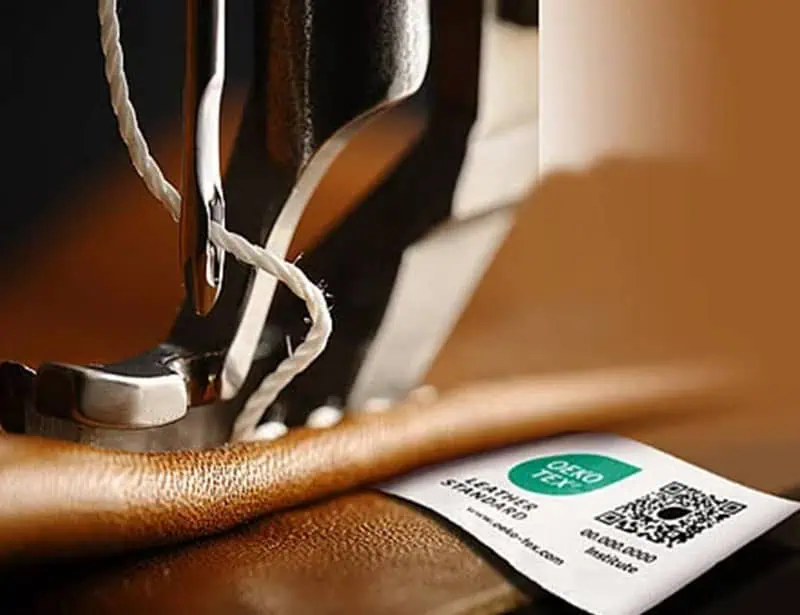
The easiest way to ascertain that a biodegradable fabric is sustainable is to check its eco certifications. Ethically produced clothing may be Fairtrade or Cruelty-Free certified. OEKO-TEX certifies non-toxic clothes, while Bluesign approves fabrics made with low-impact chemicals and dyes.
Avoid synthetic/natural blend fabrics
Manufacturers often combine polyester and cotton and advertise the fabrics as biodegradable. However, such fabric blends cannot completely biodegrade or be recycled.
Buy local
Buying your biodegradable fabric or clothing from local fashion stores reduces your carbon footprint by cutting the shipping distance. It also boosts the local manufacturing industry.
The US produces organic cotton, flax linen, hemp, wool, and other biodegradable fibers. You can shop locally manufactured biodegradable clothing from sustainable fashion brands like Patagonia, North Face, American Trench, and Harvest & Mill.
What do you do when it's time for disposal?
Explore recycling options before you throw your biodegradable clothes in the trash or compost bin. Donating or reselling your clothes is a better option if they are still wearable.
Biodegradation is slow in landfills, so try home composting or sending your biodegradable clothes to industrial composting facilities.
Conclusion: Biodegradable fabrics
Biodegradable fabrics are an eco-friendly alternative to synthetics. They decompose, releasing valuable nutrients into the soil. They also help address the textile waste problem. Biodegradable textiles are the future of sustainable fashion, and we look forward to outstanding innovations in that area.
Glossary Terms:
| 1 | Zimmermann, L., Dombrowski, A., Völker, C., & Wagner, M. (2020). Are bioplastics and plant-based materials safer than conventional plastics? In vitro toxicity and chemical composition. Environment International, 145, 106066. |
| 2 | Manian, A. P., Paul, B., Lanter, H., Bechtold, T., & Pham, T. (2022). Cellulose Fibre Degradation in Cellulose/Steel Hybrid Geotextiles under Outdoor Weathering Conditions. Polymers, 14(19), 4179. |
| 3 | Folino, A., Pangallo, D., & Calabrò, P. S. (2023). Assessing bioplastics biodegradability by standard and research methods: Current trends and open issues. Journal of Environmental Chemical Engineering, 11(2), 109424. |
| 4 | Wojnowska-Baryła, I., Bernat, K., & Zaborowska, M. (2022). Strategies of Recovery and Organic Recycling Used in Textile Waste Management. International Journal of Environmental Research and Public Health, 19(10), 5859. |
| 5 | Wang, Y., Zhang, Y., & Wang, Z. (2024). Biodegradability of leather: a crucial indicator to evaluate sustainability of leather. Deleted Journal, 6(1). |
| 6 | Trunk, U., Harding-Rolls, G., Banegas, X., & Urbancic, N. (2021). Fossil Fashion: The hidden reliance of fast fashion on fossil fuels. Changing Markets Foundation. |
| 7 | Trunk, U., Harding-Rolls, G., Banegas, X., & Urbancic, N. (2021). Fossil Fashion: The hidden reliance of fast fashion on fossil fuels. Changing Markets Foundation. |
Jen’s a passionate environmentalist and sustainability expert. With a science degree from Babcock University Jen loves applying her research skills to craft editorial that connects with our global changemaker and readership audiences centered around topics including zero waste, sustainability, climate change, and biodiversity.
Elsewhere Jen’s interests include the role that future technology and data have in helping us solve some of the planet’s biggest challenges.
Fact Checked By:
Isabela Sedano, BEng.
