
11 Sustainable Jewelry Brands Producing Ethical Styles

When you purchase a stunning piece of jewelry for yourself or a loved one, do you ever stop to think how much it is truly worth? Like everything in the fashion industry, jewelry costs more than the price tag says. Hence, we look at sustainable jewelry means and the options you have to support brands that champion environmental and ethical best practices.
Unfortunately, gems and stones can be extracted from the ground using labor in far less than ethical conditions. The less ethical jewelry brands can cause harm to the environment as a result of mining or sourcing raw materials. We explore why ethical jewelry is important later in this piece and start by highlighting 11 sustainable jewelry brands worthy of your click.
11 sustainable jewelry brands with ethical production and sourcing
Below are some of the best ethical jewelry brands with important information on their products and practices. The information we have provided covers the following major areas:
- Who they design for
- Product range
- Ethical values
- Store location and shipping options
Quick links to our list of the best sustainable & eco-friendly jewelry brands
1. Ten Thousand Villages
For: men and women
Product range: jewelry, clothing, home accessories, stationery, and body care products
Ethical practices and values: women empowerment, charitable, Fair Trade Federation member, artisan investment model, eco-friendly materials
Store location and shipping: based in the US and ships only within the United States and Canada.
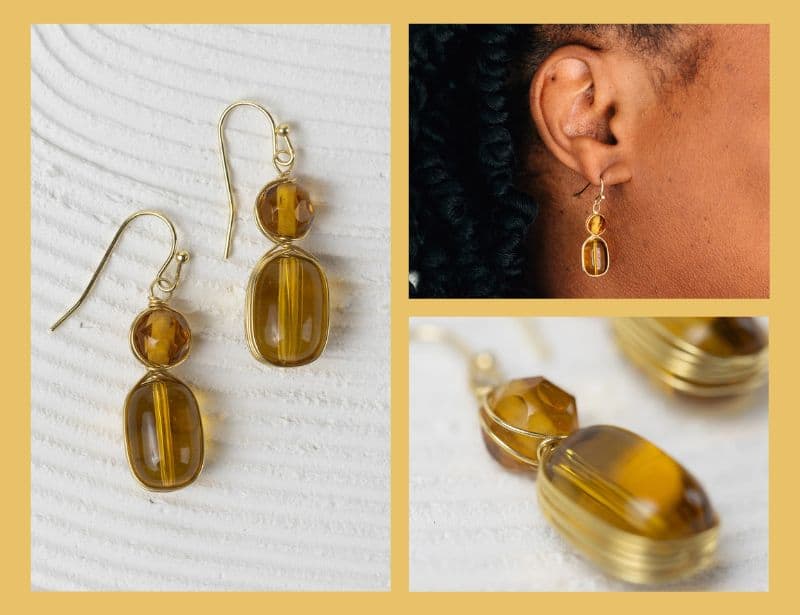
Ten thousand villages is a jewelry brand that is fighting global poverty, one piece at a time. The brand’s maker to market supply model ensures fair pricing, and artisans get full payment before their crafts are exported. Over the years, they have partnered with artisan co-ops in Nepal, Peru, Vietnam, Guatemala, India, and the Philippines, working to empower women and disadvantaged regions.
The company encourages artisans to use energy-efficient processes, recycled and renewable materials, and locally sourced materials. This is vital in reducing the brand’s carbon footprint.
2. Vanessa Lianne
For: men and women
Product range: jewelry
Ethical practices and values: locally manufactured, conflict-free gems, recycled metals, environmentally responsible
Store location and shipping: based in the US
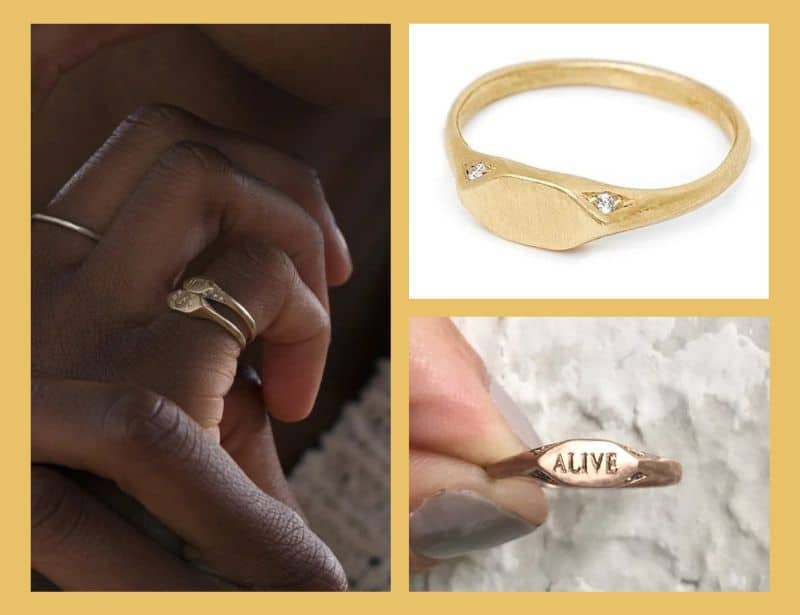
Vanessa Lianne’s sustainable jewelry is handmade, forging her exquisite heirloom quality pieces in her New York studio. Her collection includes earrings, wedding rings, signets, and necklaces.
The brand’s founder ensures that all production processes and techniques are safe for humans and the environment. She uses only recycled gold, recycled sterling silver, gold vermeil, and ethically sourced reclaimed gemstones. The silver sterling is entirely nickel-free, and all precious stones are Kimberley Process compliant.
The company organizes the Wear your Mantra workshop to help customers do some soul searching. The mindfulness exercise aims to harness your inner strength and intentions and represent them with a symbol or word. They then carve this symbol into a custom signet ring that functions as a reminder of your inner strength at all times.
3. Soko

For: women
Product range: jewelry
Ethical practices and values: recycled materials, B Corporation, charitable, artisan empowerment
Store location and shipping: based in the USA and ships internationally
The Soko brand is especially proud of its female leadership and people-centered operations. The brand leverages mobile technology to connect marginalized Kenyan artisans trapped in micro-economies with the global market. With the brand’s mobile app, dubbed a “virtual factory,” they receive orders that allow them to earn five times more than the average artisan.
Soko makes versatile pieces from wood, brass, ceramic beads, reclaimed bones, and horns. They get the wood from teak off-cuts of a Nairobi-based company, and they also use recycled brass plated with 24k gold or chrome. The ceramic beads are handcrafted by Kazuri, a women’s collective in Kenya producing fair trade materials for jewelry. They source the materials for their horn and bones piece from local food industry waste.
Soko puts in efforts to ensure that all its materials and products are environmentally ethical and sustainable.
4. Bario Neal

For: men and women
Product range: jewelry
Ethical practices and values: Fairmined conflict free gold, eco-friendly packaging, traceable, fair labor
Store location and shipping: based in the USA and offers international shipping
The belief that everyone has the right to love whoever they want inspires Bario Neal’s designs. The company is committed to social and environmental justice and was one of the first jewelry brands to get the Fairmined label. This brand does amazing lines in unique pieces studded with jewels, from hoop earrings to vintage jewelry inspired rings and clusters.
They primarily use recycled metals and say it has helped them save 134,000 tons of newly mined metal so far. Going beyond conflict-free, the brand sources traceable and recycled diamonds.
Besides recycled and reclaimed metals, Bario Neal uses fair mined metals sourced from ethical small-scale miners. This way, they support artisanal and small mining operations that depend on mining for their livelihood. They extend this support to their company’s workers by providing a safe working environment and fair wages.
Bario Neal has shown support for the LGBTQIA community and advocates for the protection of their human rights. They package their jewelry in recycled paper boxes. Further, customers can special order porcelain boxes that make durable jewelry storage.
5. Zoë Chicco

For: women
Product range: jewelry
Ethical practices and values: locally made, recycled metals, conflict-free diamonds, fair wages, Kimberley Process compliant
Store location and shipping: based in the US and ships internationally except for Russia.
From their studio in Los Angeles, Zoë Chicco produces handmade sustainable jewelry. Its design principles are based on sustainability through local manufacturing and personalization. The eponymous brand has fans even among celebrities and many social media influencers. Some of their designs are available for immediate purchase, with most pieces made to order.
Zoë Chicco is one of the ethical jewelry brands that use recycled gold in 100% of their items. They only use ethically sourced, conflict-free gemstones and adhere to the Kimberley Process. Their yellow and rose gold pieces are nickel-free. However, the white gold jewelry is alloyed with nickel to give it a whitish look.
The work environment at Zoë Chicco is vibrant, safe, and fair. The artisans are paid fair trade wages and enjoy other fringe benefits.
6. Poppy Finch

For: women
Product range: jewelry
Ethical practices and values: locally manufactured, recycled gold, conflict-free diamonds
Store location and shipping: based in Canada and ships internationally
Poppy finch pearl earrings are luxurious, delicate jewelry pieces that make classy fashion statements. This ethical fine jewelry brand produces signature designs from delicate gold, pearls, and precious gems.
Local artisans in Vancouver handcraft Poppy Finch’s jewelry pieces mainly using recycled gold and ethically sourced gemstones.
With a transparent approach to its social and environmental practices, Poppy Finch sources gemstones from various countries, provided by suppliers who meet strict applicable ethical standards. 75% of the brand’s gold is SCS certified, and they source ethical pearls from china and japan. They only procure diamonds from suppliers who adhere to the Kimberley Process to ensure conflict-free diamonds.
7. Agmes

For: women
Product range: jewelry
Ethical practices and values: charitable, recycled metals, locally manufactured, zero waste
Store location and shipping: based in the USA and offers international shipping
The creators of Agmes jewelry combine modern sculptural forms with artisan craftsmanship. The results are designs that balance vitality and simplicity, bold yet refined. The company operates a made-to-order production model from its base in New York City, working with a team of skilled artisans. The brand reduces its carbon footprint with sustainable and locally sourced materials combined with local manufacturing.
They use 925 sterling silver, 18k gold vermeil, 14k gold, and freshwater pearls in their jewelry pieces. Most of the metals they use are recycled, and nothing goes to waste as they melt and reuse their scraps.
Agmes has partnered with the Clean Air Task Force, NAACP, Meals on Wheels, and other organizations working to bring justice and safety to communities. For April 2021, they will donate 5% of their online sales to Kiss the Ground. The donation will support Kiss the Ground on its mission to educate people about regenerative agriculture.
8. KBH Jewels
For: men and women
Product range: Jewelry
Ethical practices and values: zero mining, lab-grown diamonds, sustainable pearls, SCS-certified suppliers, locally manufactured, eco-friendly packaging, recycled metals
Store location and shipping: based in the USA and offers international shipping
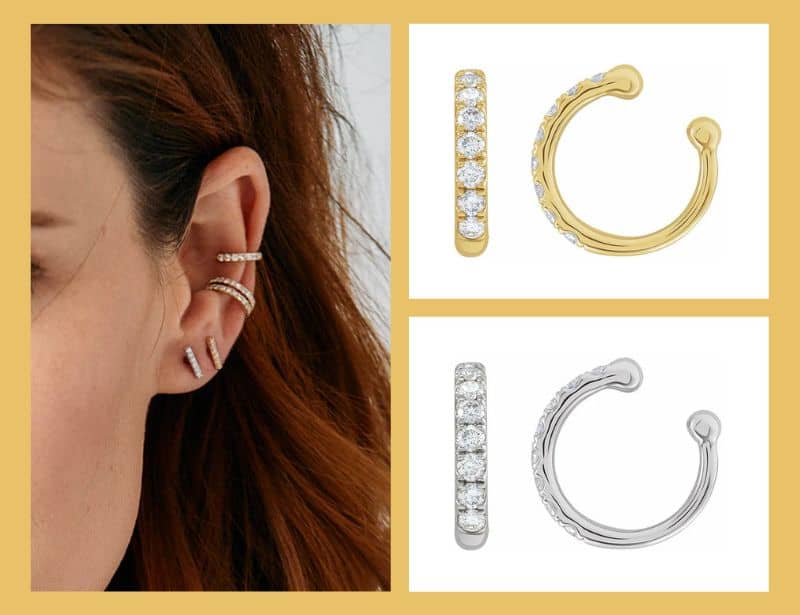
A sustainable jewelry brand that sources and manufactures its products in New York City, KBH jewelry is love symbolized. Founder Kimberly Berry Haisch’s design ideology is to create luxury pieces that can serve as modern family heirlooms.
They make fine jewelry from 100% recycled and reclaimed solid 14k gold and lab cultivated diamonds, and sustainable pearls. KBH is one of the few brands that produce their entire jewelry collection without a single ounce of newly mined metal or diamonds.
This is another of the sustainable brands listed intentionally using only ethically sourced materials, even in its packaging. They partner with organizations like Earthworks and Ethical Metalsmiths to promote ethical jewelry production. They make the packaging from upcycled plastic waste and organic fabric pouches.
9. Nordgreen

For: men and women
Product range: watches
Ethical practices and values: conflict-free materials, closed-loop production, toxic-free, eco-friendly packaging, vegan leather, sustainably sourced materials, charitable
Store location and shipping: based in Denmark and offers international shipping
Nordgreen is a Danish eco-friendly jewelry brand specializing in creating high-quality nordic influenced watches. The brand operates a traceable, eco-friendly, and socially responsible supply chain.
They make their vegan leather range from cotton and polyester blend. Their closed-loop manufacturing system allows them to recapture and reuse 99% of solvents used during production. Nordgreen’s dedication to energy efficiency in fighting climate change is laudable - their Copenhagen office is carbon neutral, and so is their shipping. They use FSC-certified cardboard for packaging their watches.
The company works with danish owned factories in China and Italy, and workers operate under the fair labor standards of the European workforce.
Nordgreen has a giving back program that supports nonprofits that provide education, safe drinking water, and meals in India and central Africa. They also partner with cool earth to preserve rainforests in Latin America.
10. Irina Victoria Jewelry
For: women
Product range: rings, earrings, necklaces, and rings
Ethical practices and values: charitable, locally manufactured, recycled metals, lab-grown diamonds, reclaimed gemstones, plastic-free packaging
Store location and shipping: based in the USA and international shipping to Canada, Belgium, Puerto Rico, the UK, Japan, Germany, Australia, Ireland, France, the Netherlands, and Spain.
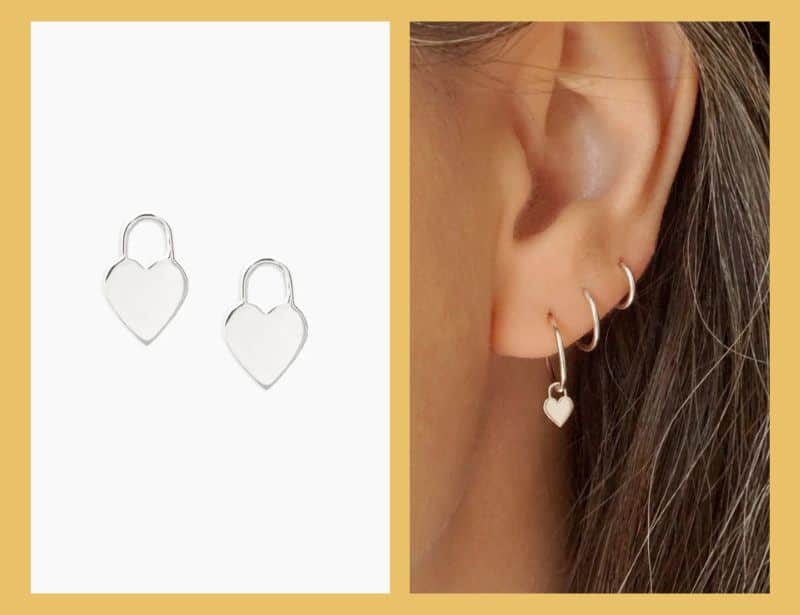
The eponymous brand is on a mission to design timeless minimalist fine jewelry. The company uses recycled materials in almost 100% of its collection. Most of its precious metal and semi-precious stones come from old jewelry, production scrap, tech industry parts, and dental fillings. The company gets its gems and diamonds from reclaimed pieces and ethical manufacturers. Their sustainable jewelry collection includes simple lines adorned with set jewels
The brand carries out its sourcing and manufacturing strictly within the USA. IVJ works only with companies whose environmental and social responsibility commitments mirror theirs. The brand’s kraft paper and linen packagings are 100% recycled, recyclable, and sourced from natural materials.
IVJ donates 5% of profits from online sales to the wildlife conservation network.
11. Mejuri

For: men and women
Product range: Jewelry
Ethical practices and values: recycled materials, fair mining, traceability, SCS certified, RJC certified smelter, Fair trade products
Store location and shipping: based in Canada and ships to selected countries in North America, the Middle East, Oceania, Europe, Asia
Mejuri aims to make traceable, eco-friendly, and socially responsible jewelry. About 60% of their manufacturing partners are certified by the Responsible Jewellery Council. The brand ensures that every one of its partners pays fair wages and provides a safe working environment.
The brand works with gold, silver, diamonds, freshwater pearls, and gemstones. They make their gold pieces from recycled metal or fair trade gold. The company ensures that its diamonds are conflict-free and socially responsible across the supply chain.
Mejuri sources its handcrafted products directly from artisans and sells them directly to consumers. This helps the company avoid the traditional markups and remain affordable while maintaining luxury standards.
Why is sustainable jewelry important?
Social impact
The jewelry industry has far-reaching impacts on people and the environment. A larger percentage of jewelry production materials originate from some of the poorest countries.
Frequently, these regions lack the structures to deal directly with the global market in a sustainable way. So, the raw materials go through many hands before reaching the consumer, meaning traceability is almost impossible, and so is accountability. A lot of miners and artisans may not even earn a living wage.
Mining has also caused disruptions in many host communities, leading to conflicts. The diamond industry is notorious for its blood or conflict diamonds. At the same time, gem cutting releases dust that can cause severe damage to the lungs. Workers in gem polishing factories and throughout the supply chain risk their health and well-being when working in such an environment without protection.
Environmental impact
Typically, fine jewelry is made with at least one precious metal or stone sourced from deep within the ground—mining changes soil structure and land use, which may cause severe environmental damage. Mining's negative impacts include deforestation, erosion, dust pollution, greenhouse gas emissions, and soil and water contamination. It also causes harm to the ecosystem of the concerned areas.
Jewelry production may also use harmful chemicals that end up as toxic waste. This poses a threat to humans and wildlife.
Benefits of sustainability in the jewelry industry
All the negative issues associated with mining and jewelry production do not erase the benefits. Small-scale artisanal mines are the livelihood source for at least 100 million people worldwide. In properly managed situations, mining can boost local economies and local communities. Some sustainable jewelry brands empower artisan groups with skills and tools to mine safely, ethically, and profitably.
Furthermore, recycled gems, precious metals, and lab diamonds are alternatives to newly mined metals. Jewelry companies that use a closed-loop production system produce less waste. At the same time, energy efficiency is also another quality that makes a jewelry company sustainable.
Some organizations look beyond the glitz and glamour of jewelry to ensure that they are safe for humans and the planet.
When seeking to own jewelry that can last, look for Fair Trade and Fair Mined certifications from organizations that support small-scale metal mining. They try to infuse sustainability into the process by supporting and training mining communities—other certifications to look out for signifying fairly mined minerals include Responsible Jewelry Council, Ethical Metalsmiths, and Kimberley Process. While the newer fair trade African gold addresses concerns across the African continent, where up to 90% of the world's gold is sourced.
Where the issuing bodies audit jewelry brands with any of these certificates, they have found them to meet traceability and social impact standards according to their specific criteria supporting conflict-free stones, metals, and other raw materials produced ethically.
Glossary Terms:
Jen’s a passionate environmentalist and sustainability expert. With a science degree from Babcock University Jen loves applying her research skills to craft editorial that connects with our global changemaker and readership audiences centered around topics including zero waste, sustainability, climate change, and biodiversity.
Elsewhere Jen’s interests include the role that future technology and data have in helping us solve some of the planet’s biggest challenges.
