
International Petroleum Day: Complete Guide

International Petroleum Day hits every August 27th. The day honors how petroleum shapes modern life while recognizing industry contributions from energy production to economic development.
The date connects to history in a big way. Edwin Drake's oil well struck petroleum at Titusville, Pennsylvania, on August 27, 1859. His discovery at 69½ feet deep launched our modern petroleum era. That's it.
This observance stays mostly US-based today. Industry professionals and communities participate across petroleum-producing regions.
Key Info: National Petroleum Day
- When is National Petroleum Day?
Occurs annually on the 27th of August - This Year (2026):
Thursday, August 27, 2026 (date has passed) -
Future Dates
- Friday, August 27, 2027
- Sunday, August 27, 2028
- Monday, August 27, 2029
- Tuesday, August 27, 2030
-
Additional Details
- Observed By: Petroleum industry professionals, energy sector organizations, and educational institutions in oil-producing regions
- Where Is It Observed: United States
- Primary Theme: Petroleum Industry Heritage and Education
- Hashtags: #NationalPetroleumDay #PetroleumDay #OilIndustry #DrakeWell #PetroleumHistory
Quick Links: International Petroleum Day
Historical Significance Behind the Day
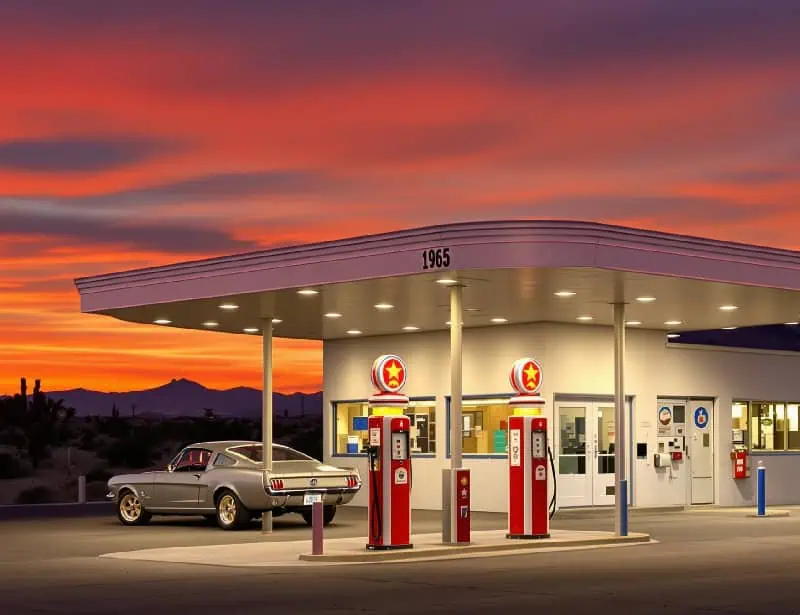
Edwin Drake changed everything on August 27, 1859—his oil well in Titusville, Pennsylvania, struck petroleum at exactly 69½ feet deep. The Drake Well Museum notes this moment "gave birth to an industry that has forever shaped our modern world."
Drake developed practical drilling methods for petroleum extraction. His innovations included casing systems that prevented well collapse. Steam-powered drilling equipment became standard through his work.
In 1979, the American Society of Mechanical Engineers formally recognized the Drake Oil Well as a mechanical engineering landmark.
Initial production attracted massive investment within months. Oil prices reflected rapid supply changes from 49 cents per barrel in 1861 to $6.59 a barrel in 1865. This Pennsylvania discovery created the foundation for today's drilling operations worldwide.
Current Recognition and Geographic Scope
International Petroleum Day maintains unofficial status nationwide. But grassroots adoption spreads across petroleum-producing regions, focusing on the United States energy corridors.
Texas leads participation through the Permian region. The region maintains 308 active rigs producing 6.67 million barrels daily. This accounts for almost half of the U.S. crude oil production.
Ways to Observe International Petroleum Day
- Visit historical sites first. Drake Well Museum exhibits showcase origins and regional petroleum museums provide local context.
- Attend facility tours. Professional associations host lectures welcoming community members.
- Support workplace recognition efforts. Companies organize appreciation events and internal sessions highlighting contributions.
- Participate in conservation programs that link environmental stewardship with awareness.
- Share content about the integration of petroleum into daily life. Factual information increases public understanding through balanced perspectives.
- Link with local organizations for ongoing engagement beyond single-day events.
- Take the time to learn about the types of renewable energy.
Core Themes and Educational Impact

International Petroleum Day emphasizes how petroleum integrates into daily life. Most people interact with petroleum-derived products continuously through gasoline, plastics, medications, and synthetic materials.
What many don't realize is the scope of this integration.
Worker appreciation stays central to activities. The sector demonstrates substantial pay, averaging $334,000 per direct worker in refining operations. There are nearly 3 million jobs generated— direct (64,500), indirect (1.5 million), and induced (1.3 million).
Educational outreach balances recognition with awareness building. Conservation programs emphasize responsible resource management, while environmental stewardship demonstrates sustainability commitment.
In practice, understanding petroleum's role helps communities make informed energy decisions rather than promoting specific viewpoints.
Making the Most of This Awareness Day
Link with American Petroleum Institute local chapters for year-round engagement opportunities. These groups provide ongoing resources and community connections beyond single-day recognition.
Share content thoughtfully on social platforms. Focus on factual information helping others understand petroleum's societal role. Sector challenges include critical staffing shortages at data-collection agencies like the Energy Information Administration{1}.
Understanding these complexities helps communities engage more effectively with energy policy discussions throughout the year. That's where the real value sits.
If you want to celebrate a greener option, save International Biodiesel Day on your calendar.
Resources:
FAQs (Frequently Asked Questions)
Major oil firms have cut upstream methane emissions by 55% and routine flaring by 53% since 2017. This points to real progress, though challenges remain. They've put nearly $96 billion into renewables and carbon capture systems, with TotalEnergies rolling out billion-dollar efficiency plans that actually work. Beyond this, about 20 companies have set specific targets for 2025. The main focus? Stopping methane leaks, cutting down flaring, and switching to hydrogen and renewable energy across their operations. Rystad Energy's data backs this up.
The oil and gas sector showed surprising financial muscle in 2024. Companies handed out $213 billion in dividends and $136 billion in buybacks while oil prices stayed between $74-90 per barrel. Since 2023, upstream spending jumped by $26 billion, breaking the $600 billion mark for the first time in ten years. And despite all the talk of energy transition, petroleum still supports millions of jobs worldwide. This suggests the industry maintains its economic punch even as the world shifts toward cleaner energy. Oxford Economics and Deloitte's numbers both confirm this economic effect.
Petroleum won't disappear overnight. The Baker Institute at Rice University makes clear that oil and gas will stay dominant for decades while renewables scale up. Today's petroleum companies bring valuable skills to the transition table. Their knowledge of drilling, subsurface engineering, and reservoir management directly helps with geothermal systems, carbon storage, and underground energy facilities. In practice, many firms now develop bridge technologies like hydrogen fuels that connect our current energy system to a low-carbon future. This practical approach shapes how fast we can realistically move toward renewable energy.
Petroleum jobs look different now than five years ago. AI manages drilling, predicts equipment failures, and optimizes production daily. Engineers who once focused on reservoir mechanics now need data skills to stay relevant. When companies like BP and Chevron hire today, they want people comfortable with digital tools. Recently, new positions have emerged focusing on renewable integration and environmental compliance. This shift means mid-career professionals often need retraining to keep up with technical demands. The industry still needs human expertise—just paired with digital knowledge.
The petroleum sector trails other industries in diversity, with women making up just 22% of the workforce according to McKinsey. This gap has sparked action. Shell aims for 40% women in leadership by 2030, while TotalEnergies targets 30% by 2025. The World Economic Forum tracks these efforts through their DEI Lighthouses program, which shows mixed results so far. Some companies make progress while others struggle. The Society of Petroleum Engineers has created dedicated committees to push for systematic change. Today's challenge isn't setting goals but creating workplaces where diverse talent actually wants to stay.
Barbara is a former journalist who is passionate about translating important causes into engaging narratives. She combines communication expertise with an environmental science background to create accessible, fact-driven content.
