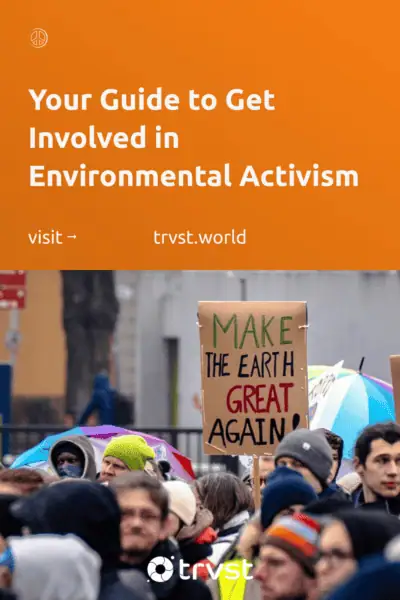
Your Guide to Get Involved in Environmental Activism

We live in a time when the climate crisis feels overwhelming. Young people watch extreme weather hit their communities while governments move slowly on environmental protection. But here's what gives us hope: millions of environmental activists worldwide are driving real change.
Research shows that 84% of people across all countries feel at least moderately worried about climate change2. We'll show you exactly how to start advocating for the environment, no matter your experience level. Your voice matters for future generations.
TABLE OF CONTENTS:
Why Get Involved in Environmental Activism Today?

Environmental activists around the world are stepping up, as waiting for others to solve these problems is no longer effective. In September 2019, an estimated 6 million young people and their supporters took part in the largest climate strikes in history6. These broader movements prove that when we come together, governments and corporations listen.
Protests engaging a threshold of 3.5% of the population have never failed to bring about change. This means we don't need everyone on board to create the sustainable future our planet needs.
Environmental activism already drives measurable results. Firms targeted by environmental activist campaigns typically cut the release of toxic chemicals by 13%7. When we advocate for ecological protection, companies respond with real action that benefits local communities and nature.
Understanding Environmental Activism: More Than Just Protests
Environmental activism means using your voice and actions to protect our planet and fight for environmental justice. Many people think activism only involves protests or dramatic actions. The truth is much broader and more accessible.
Environmental activists work through advocacy and lobbying to change environmental policies. Others build community organizing efforts that bring neighbors together around local environmental problems. Educational outreach helps spread awareness about climate and environmental problems.
Lifestyle activism involves making personal choices that inspire others to adopt sustainable practices. Digital activism uses social media and online platforms to share environmental stories and build global network connections. Conservation work protects natural spaces and wildlife in local communities.
Environmental justice connects our fight for the planet with social justice. In a 2023 study, roughly two-thirds of Americans (65%) had never heard of climate justice, even though more than half (53%) were supportive of the concept after it was explained to them5.
Being an environmental activist doesn't require special training or credentials. Anyone who cares about protecting our environment and wants to create positive change can become part of this movement.
Finding Your Place in the Environmental Movement
Start by assessing your skills, interests, and available time. If you love writing, you might share environmental stories that inspire action. People with organizing skills can build support in their neighborhood for environmental causes. Those who prefer research can educate themselves and others about environmental science.
Look around your neighborhood to identify environmental challenges. Maybe you notice air pollution from nearby factories or see how the climate crisis affects local ecosystems. These observations can guide you toward eco groups and organizations working on similar issues.
Your passion becomes a powerful tool when matched with actionable opportunities. Environmental activism works best when people feel genuinely connected to the causes they support.
Essential Steps to Get Involved in Environmental Activism

Step 1: Educate Yourself About Environmental Issues
Knowledge forms the foundation of effective environmental activism. Start with climate change basics and understand how global warming affects our planet. Based on well-established evidence, about 97% of climate scientists have concluded that human-caused climate change is happening.
Research environmental challenges in your local area. Follow credible environmental organizations and scientists who share reliable information. Understanding the science behind conservation gives you the confidence to engage with others and makes you a powerful tool for ecological protection.
Step 2: Start Small in Your Neighborhood
Simple actions you can take today include talking to neighbors about environmental concerns. Many people share your worries about the climate emergency, but don't know how to raise awareness. When you adopt sustainable practices, people notice and often make similar changes.
Look for ways to participate in local environmental initiatives already happening in your community. Many neighborhoods have recycling programs, community gardens, or clean-up events that need volunteers. Joining existing efforts helps you learn while contributing to positive change.
Step 3: Connect with Environmental Groups and Organizations
National environmental organizations like the Sierra Club, Greenpeace, and 350.org work on climate change and environmental protection on large scales. Finding local eco groups in your area gives you chances to work on issues that directly affect your neighborhood.
Online communities create global network opportunities that connect you with environmental activists worldwide. Evaluate which organizations align with your values by reading their mission statements and learning about their campaigns.
Practical Ways Environmental Activists Drive Change

Grassroots Organizing and Community Building
Building support in your community starts with identifying people who care about environmental problems. Organizing local environmental events brings people together around shared values. Consider hosting educational presentations about environmental problems affecting your area or planning community clean-up days.
Creating awareness campaigns helps more people understand environmental challenges and solutions. Working with schools and community centers expands your reach to different groups of people and helps spread environmental awareness to young people and families.
Advocacy and Political Engagement
Contacting elected representatives about environmental issues gives your concerns a direct path to policymakers. Research shows that local protest activity increases the vote share of environmental candidates by roughly 0.76 percentage points1. Your advocacy efforts can influence how politicians prioritize environmental security.
Participating in town halls and public meetings lets you raise environmental concerns in official forums. Supporting environmental candidates during elections helps put people in office who will fight for eco justice.
Using Your Voice and Platform
Social media strategies for environmental advocacy can amplify your message to reach more people. Share factual information about environmental issues and climate pollution. Writing letters to the editors of local newspapers helps spread awareness about environmental concerns.
Speaking at community events gives you opportunities to educate others about environmental activism. Sharing environmental stories inspires collective action. It helps motivate others to join the movement and highlights how ordinary individuals create change when they work together.
Overcoming Common Barriers to Environmental Activism
Many people say, "I don't know enough" about environmental issues to become activists. Building confidence through knowledge happens gradually as you learn and practice. Start with basic facts about climate and environmental problems.
"I don't have time" is another common concern. Finding activism that fits your schedule means looking for flexible opportunities. You can advocate for green protection by making different consumer choices, sharing information online, or attending occasional community meetings.
When environmental issues feel overwhelming, breaking down actions into manageable steps makes progress possible. Focus on one environmental problem at a time and choose specific actions you can take this week, this month, and this year.
Supporting Environmental Causes Beyond Direct Action

Financial Support and Ethical Spending
Donating money effectively to environmental causes helps fund important work even when you can't volunteer your time. Supporting businesses with eco-friendly practices sends market signals that influence corporate behavior.
The current fossil fuel divestment movement includes over 1,500 institutions that control $40 trillion in assets3. Individual investors can also move money away from environmentally destructive companies through environmental investing options.
Lifestyle Choices That Make a Statement
Adopting sustainable practices that inspire others creates positive examples in your community. Leading by example shows that nature preservation fits into normal daily life. Research shows that the impacts of vegans were a quarter of those of high meat eaters for greenhouse gas emissions and land use4.
Individual choices add up to collective impact when millions of people make similar decisions for eco protection.
Building Skills for Long-Term Environmental Advocacy
Developing communication and leadership skills helps you become a more effective environmental activist. Learn to work with diverse groups of people and understand that eco justice affects communities differently based on race, income, and geographic location.
Understanding media and messaging helps you share environmental information more effectively. Building resilience for long-term advocacy work prevents burnout and keeps you engaged over time. Networking within the environmental movement connects you with other activists, organizations, and resources.
Making an Impact: From Individual Action to Systemic Change
Individual activists contribute to global movements by adding their voices to collective calls for eco-protection. Understanding the role of corporations and administrations helps you target your advocacy efforts effectively. About 100 companies are responsible for 71% of global emissions.
Working toward environmental justice for all communities ensures that conservation benefits everyone. Environmental activism creates a sustainable future by building public support for policies and practices that protect our planet for future generations.
Resources and Next Steps for New Environmental Activists
Essential websites for environmental information include climate.gov for climate science, EPA.gov for environmental regulations (U.S. specific), and 350.org for climate activism opportunities. A quick online search will show you what resources are available in your country.
Tools for staying informed include email newsletters from credible environmental organizations and social media accounts of respected environmental scientists and activists. Apps and platforms for connecting with other activists include Meetup for finding local eco groups and websites of environmental organizations for volunteer opportunities.
Creating your personal action plan involves choosing specific environmental issues you want to focus on, identifying organizations you want to support, and setting goals for your environmental activism involvement.
Conclusion
Getting involved in environmental activism starts with small steps that lead to bigger change. Environmental activists come from all backgrounds and contribute in many different ways. Whether you focus on local environmental issues or join global campaigns for climate action, your participation makes a difference.
Every person can make a difference in protecting our planet for future generations. Choose one specific action from this article to take this week, whether that's contacting an environmental group, attending a community meeting, or sharing environmental information with friends. Share this guide with others who want to join the movement for environmental justice and a sustainable future.
Glossary Terms:
| 1 | Fabel, M., Flückiger, M., Ludwig, M., Waldinger, M., Wichert, S., & Rainer, H. (2022). The Power of Youth: Did the “Fridays for Future” Climate Movement Trickle-Up to Influence Voters, Politicians, and the Media?. |
| 2 | Caroline Hickman, MSc, Elizabeth Marks, ClinPsyD, Panu Pihkala, Ph.D., Prof Susan Clayton, Ph.D., R Eric Lewandowski, Ph.D., Elouise E Mayall, BSc, Britt Wray, Ph.D., Catriona Mellor, MBChB, Lise van Susteren, MD (December 2021) Climate anxiety in children and young people and their beliefs about government responses to climate change: a global survey The Lancet Planetary Health |
| 3 | Schwartz, J. A., Lendway, P., & Nuri, A. (2023). Fossil fuel divestment and public climate change policy preferences: an experimental test in three countries. Environmental Politics, 1–24. |
| 4 | Scarborough, P., Clark, M., Cobiac, L., Papier, K., Knuppel, A., Lynch, J., Harrington, R., Key, T., & Springmann, M. (2023). Vegans, vegetarians, fish-eaters and meat-eaters in the UK show discrepant environmental impacts. Nature Food, 4(7), 565–574. |
| 5 | Ogunbode, C. A., Doran, R., Ayanian, A. H., Park, J., Akira Utsugi, van, Jihane Ghorayeb, Aquino, S. D., Lins, S., John, Marc, Zick, A., & Clayton, S. (2024). Climate justice beliefs related to climate action and policy support around the world. Nature Climate Change, 14. |
| 6 | Jones, L., Halstead, F., Parsons, K. J., Le, H., Bui, L. T. H., Hackney, C. R., & Parson, D. R. (2021). 2020-Vision: understanding climate (in)action through the emotional lens of loss. Journal of the British Academy, 9s5, 29–68. |
| 7 | Naaraayanan, S. L., Sachdeva, K., & Sharma, V. (2019). The Real Effects of Environmental Activist Investing. SSRN Electronic Journal. |
Jen’s a passionate environmentalist and sustainability expert. With a science degree from Babcock University Jen loves applying her research skills to craft editorial that connects with our global changemaker and readership audiences centered around topics including zero waste, sustainability, climate change, and biodiversity.
Elsewhere Jen’s interests include the role that future technology and data have in helping us solve some of the planet’s biggest challenges.
Fact Checked By:
Isabela Sedano, BEng.