
World Hello Day: How 10 Greetings Can Promote Global Peace

World Hello Day happens on November 21st each year. The McCormack brothers—Brian and Michael—started this whole thing back in 1973. They were watching the Yom Kippur War unfold and thought, "Why not try talking instead of fighting?"
Simple idea. Greet ten strangers on November 21st. That's it.
Today, the initiative reaches 180 countries. Official recognition comes from 31 Nobel Peace Prize laureates who call it having "substantial value as an instrument for preserving peace." The brothers spent their own money mailing 1,360 letters in seven languages to world leaders. Their message stays the same: individual greetings build global understanding.
Key Info: World Hello Day
- When is World Hello Day?
Occurs annually on the 21st of November - This Year (2026):
Saturday, November 21, 2026 - Official Website: World Hello Day
-
Future Dates
- Sunday, November 21, 2027
- Tuesday, November 21, 2028
- Wednesday, November 21, 2029
-
Additional Details
- Observed By: People worldwide promoting peace and communication
- Where Is It Observed: International
- Primary Theme: Peace Through Personal Communication
- Hashtags: #WorldHelloDay #HelloDay #PeaceThroughCommunication #SayHello #PeaceDay #Communication
Quick Links: World Hello Day
Why World Hello Day Creates Real Effect

Military intervention during the Yom Kippur War killed 15,000 people; the McCormack brothers chose different tactics. Their communication approach led to the first direct Arab-Israeli discussions in over 25 years.
Sometimes the simple stuff works.
Research supports their thinking about the benefits of greetings. Studies involving over 60,000 participants show minimal social interactions—including basic hellos—significantly predict greater life satisfaction[1]. These brief exchanges activate mirror neuron systems while cutting stress hormones. They promote trust between strangers.
Colin Powell wrote that "hello" serves as "a door through which to gain access to greater understanding among peoples and nations." Can individual hellos prevent international conflicts? Evidence indicates small interactions build measurable peace outcomes.
How to Observe World Hello Day
World Hello Day asks people to greet ten individuals on November 21st. This number makes the practice work in any social situation.
At Work:
Wave to colleagues from different departments. Thank the security staff, maintenance workers, and delivery folks by name. Acknowledge reception desk workers during your coffee run.
In Your Community:
Smile at neighbors while checking the mail. Nod to strangers at crosswalks or bus stops—eye contact plus smiles work everywhere. Thank cashiers and baristas during routine stops.
Educational Settings:
Teachers use "positive greetings at the door" approaches that boost academic engagement by about 20 percent[2]. Students create multilingual greeting displays. Shows diversity in practice.
Different cultures adapt greetings appropriately. Bowing works in Japan; handshakes suit business contexts. But smiles transcend language barriers.
Timeline
McCormack brothers found World Hello Day responding to Yom Kippur War crisis
Brothers send 1,360 letters in seven languages to world government leaders
Observance spreads internationally beyond initial concept
Celebrated annually in 180 countries with consistent messaging
Global Movement and Cultural Shifts
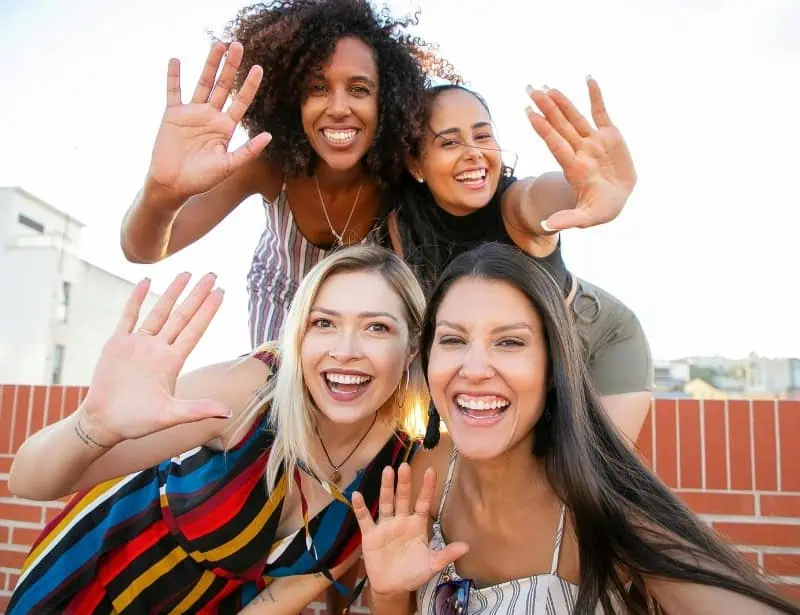
Each of 180 countries shapes World Hello Day while keeping its peace mission intact. Regional customs determine greeting styles—Namaste works in India, Shalom fits Israel, Hola connects Spanish speakers worldwide.
Universal greeting concepts move beyond spoken language. Hand gestures convey friendliness without words. Eye contact shows respect, no matter what native tongue.
This flexibility explains growth since 1973. Communities customize observance while preserving conflict prevention through interpersonal connection. Cultural sensitivity guides how people join in.
Bowing replaces handshakes in formal Asian contexts; verbal acknowledgments substitute for physical contact where appropriate. The peace foundation stays constant while delivery adapts to local needs.
Making Your World Hello Day Count
Plan your ten greetings before November 21st arrives. Think about colleagues, neighbors, or community members you rarely acknowledge. Check worldhelloday.org for official guidelines.
Acts of kindness, beginning with greetings, reduce loneliness and social isolation based on research across the USA, UK, and Australia[3]. Benefits extend beyond November when greeting becomes a habit—which happens more often than you'd expect.
Consider organizing observances for schools or workplaces. Dorothy Thompson stated that "Peace is not the absence of conflict but the presence of creative alternatives for responding to conflict."
Individual hellos multiply into collective understanding. They prevent disputes before escalation occurs.
Beyond this, the practice connects to something deeper about human nature and our need for recognition.
Resources:
FAQs (Frequently Asked Questions)
Body language works great here. A smile and wave get the message across just fine. About 55% of how we communicate comes through gestures anyway, according to communication research. You could pick up basic "hello" phrases in common local languages - even if you mess up the pronunciation, people appreciate the effort. The McCormack brothers knew this would come up when they started World Hello Day. That's why it's about human connection, not perfect speech.
You can't measure peace directly from saying hello to ten people. But Gallup research points to something important - regular greetings boost personal wellbeing and community connection. These form the base for larger peace efforts. Psychology Today studies back this up. Simple hellos cut through isolation and start real human connections. This makes conflict resolution possible down the line. Your greetings feed into that broader culture of understanding.
Work settings are actually perfect for this. Focus on people you see regularly but don't usually talk to - folks from other departments, maintenance staff, security, cafeteria workers. Stick with "Good morning" instead of casual hellos. Respect personal space. Many companies recognize World Hello Day officially now. Skip people with headphones, in meetings, or rushing somewhere. Respecting others' time fits with the day's peaceful goals.
Gallup data shows people who greet neighbors regularly report higher wellbeing overall. Health experts say making daily hellos a habit - even just to a few people - can shift your perspective and deepen community ties. Start small with one person each day. The mood and social benefits will keep you motivated past November. Beyond this, the practice becomes less about the calendar date and more about how it changes your daily interactions.
Sources & References
- [1]
- Ascigil, E., et al. (2023). Minimal social interactions and life satisfaction. Social Psychological and Personality Science.
↩ - [2]
- Cook, C. et al. (2018). Positive Greetings at the Door: Evaluation of a Low-Cost, High-Yield Proactive Classroom Management Strategy. Journal of Positive Behavior Interventions, 20(3), 149–159.
↩ - [3]
- Lim, M. H., et al. (2024). The KIND Challenge community intervention to reduce loneliness and social isolation, improve mental health, and neighbourhood relationships: an international randomized controlled trial. Social Psychiatry and Psychiatric Epidemiology, 60(4):931–942.
↩
Barbara is a former journalist who is passionate about translating important causes into engaging narratives. She combines communication expertise with an environmental science background to create accessible, fact-driven content.
