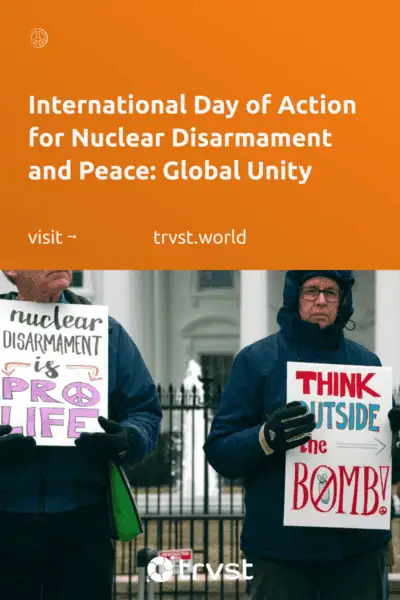
International Day of Action for Nuclear Disarmament and Peace: Global Unity

September 26 marks the International Day of Action for Nuclear Disarmament and Peace. Different from the better-known International Day of Peace on September 21. The UN created this specific date after a 1983 nuclear near-miss that almost started World War III.
When most people think of nuclear threats, they picture movies. Today's reality hits harder. The world stockpiles around 12,121 nuclear warheads; peace groups use September 26 to coordinate action across continents.
Key Info: International Day for the Total Elimination of Nuclear Weapons
- When is International Day for the Total Elimination of Nuclear Weapons?
Occurs annually on the 26th of September - This Year (2026):
Saturday, September 26, 2026 - Official Website: UN Office for Disarmament Affairs
-
Future Dates
- Sunday, September 26, 2027
- Tuesday, September 26, 2028
- Wednesday, September 26, 2029
-
Additional Details
- Observed By: UN member states, international organizations, NGOs, and civil society groups worldwide
- Where Is It Observed: International
- Primary Theme: Nuclear Disarmament and Global Peace
- Hashtags: #NuclearDisarmament #TPNW #NoNukes #GlobalPeace #UnitedNations #NuclearBan
Quick Links: International Day of Action for Nuclear Disarmament and Peace
Why Nuclear Disarmament Action Drives Change
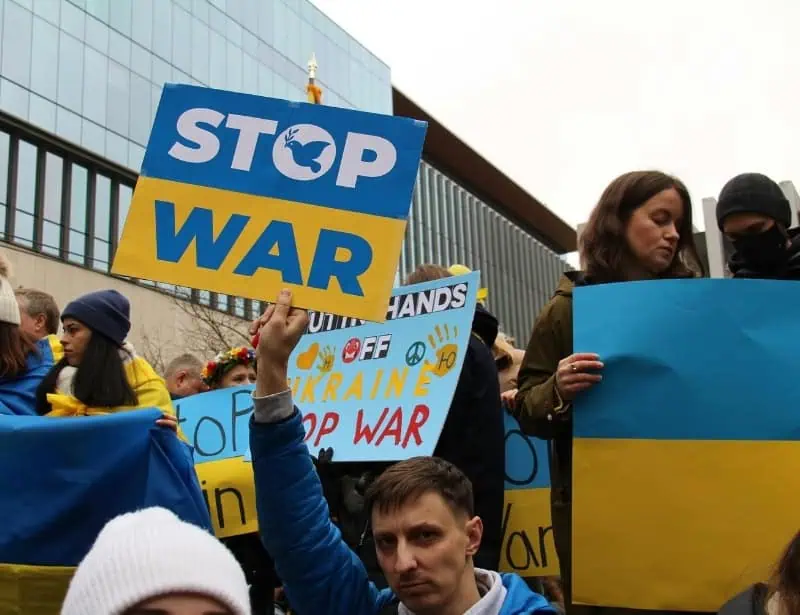
Nuclear-armed states dropped over $100 billion on their arsenals in 2024, an 11% jump. That's $190,151 every single minute on weapons built to destroy cities. This suggests something's backwards about our priorities.
The Treaty on the Prohibition of Nuclear Weapons shows what organized pressure accomplishes. Nearly half the world's countries signed or ratified this agreement, often because grassroots campaigns pushed their governments to act.
But can single-day awareness events really shift long-term policy? Coordinated global actions turn scattered voices into unified demands for change.
Timeline
UN Charter establishes disarmament mandate
First UN Special Session on Disarmament
Treaty on the Prohibition of Nuclear Weapons adopted
Growing global abolition movements
How to Join September 26 Disarmament Actions
Start with UN observance events. The UN Office for Disarmament Affairs runs official programs and educational sessions worldwide.
Connect with local peace organizations next. Groups like Abolition 2000 maintain advocate networks in most major cities. Use digital advocacy through #NuclearDisarmament hashtags. Contact elected representatives about nuclear weapons spending priorities.
Beyond this, organize community education events at libraries and schools. Support hibakusha testimony projects. These Nobel Peace Prize recipients offer powerful witness accounts of nuclear weapons effects that statistics can't match.
Join vigils and demonstrations in your area. Many cities coordinate public gatherings marking September 26, though turnout varies widely.
Individual actions build collective momentum. But sustained engagement beyond single-day events drives the real policy changes.
Central Messages and Global Impact
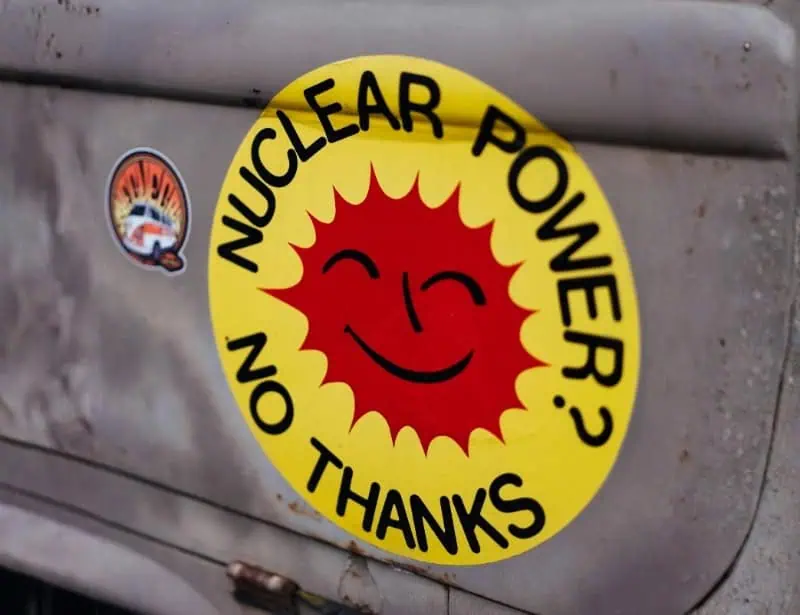
Humanitarian disarmament focuses on the effects of nuclear weapons on human populations instead of abstract strategic theories. This messaging shift influenced international law debates over the past decade.
The Treaty on the Prohibition represents direct results from decades of organizing efforts. Peace education programs build long-term support across communities, while cities, religious groups, and professional associations contribute unique perspectives to abolition work.
UN Secretary-General António Guterres describes current nuclear risks as humanity being "on a knife's edge." This relates to recent tensions between nuclear-armed states and the breakdown of arms control agreements.
Making September 26 Count for Nuclear Peace
September 26 creates annual opportunities for renewed commitment to disarmament. Individual participation strengthens global movements working toward nuclear weapons abolition, but only when it continues past the calendar date.
Connect with Abolition 2000 networks for year-round engagement. Nuclear disarmament requires persistent collective action instead of occasional awareness alone.
And the path toward a world without nuclear weapons depends on millions choosing to participate. For real.
Resources:
FAQs (Frequently Asked Questions)
PMC research shows 2024 marks a real turning point in nuclear risk. For the first time, we're seeing multiple nuclear powers expanding arsenals simultaneously, with 2,100 warheads on high alert status. The Doomsday Clock sits closer to midnight than any time since its 1947 creation. UN chief Guterres didn't mince words - nuclear weapon use risk has hit Cold War levels. This relates directly to ongoing conflicts where nuclear threats have become almost normalized. Beyond this, the collapse of key arms control treaties leaves a dangerous gap. The US State Department points to a perfect storm of factors that makes this moment unique: cyber warfare capabilities, aging deterrence systems, and aggressive modernization programs all converging at once.
September 26 activities drive real policy shifts in practical protection efforts worldwide. When countries gather for this date, it's not just symbolic. Indonesia, Sierra Leone and Solomon Islands ratified the UN Treaty on Prohibition of Nuclear Weapons right before the 2024 event. This treaty forms the legal backbone for global elimination efforts. The United Nations uses this day to host high-level meetings where government leaders develop actual frameworks, not just talk. Progress shows in the numbers - 73 states now fully back the prohibition treaty. And states continue joining despite resistance from nuclear powers. Since 2017, this mechanism has created clear connections between public awareness and diplomatic action. The treaty itself resulted from decades of grassroots pressure finally breaking through.
Verification tech serves as the trust-builder that makes disarmament possible in practice. X-ray systems and neutron detectors let inspectors confirm warhead dismantlement without compromising sensitive security details. The International Partnership for Nuclear Disarmament Verification has demonstrated how these tools work in field tests. Their research points to information barriers as key solutions for balancing transparency with national security. Stockholm researchers found these technologies generate progress by establishing a technical foundation for confidence between former adversaries. Today's verification challenges involve more than just counting missiles. Advanced tomography systems must detect even small quantities of nuclear material. This suggests countries need both political will and technical capability for successful disarmament.
Young people drive fresh energy into disarmament work through several proven channels. Next Gen initiatives at established peace organizations offer direct policy access, not just volunteer work. When students join Model UN programs focusing on nuclear policy, they develop real expertise that opens career paths. Campus awareness events create local momentum that spreads outward. Social media campaigns reach audiences traditional activism misses. Organizations increasingly seek youth ambassadors who bring digital skills and new perspectives to decades-old problems. Recently, youth-led climate movements have shown how generational pressure can shift seemingly immovable political obstacles. The same approach works for nuclear issues. This relates to broader questions about who gets to shape security policies that will affect young people's futures more than current decision-makers.
The US has cut its nuclear arsenal dramatically, dismantling over 12,000 warheads since 1994. The stockpile dropped from a 1967 peak of 31,255 to today's 3,748 deployed and reserve warheads. Global progress continues, though slower than many hoped. Nuclear Weapons Ban Monitor data shows worldwide inventories decreased by 165 warheads in 2023, bringing the total to 12,347 across all nine nuclear states. Beyond these numbers sits the Treaty on the Prohibition of Nuclear Weapons. Since its 2017 adoption, 69 states have joined - representing nearly half of all countries. While nuclear powers haven't signed, the treaty establishes clear international rejection of these weapons. The treaty's growth demonstrates persistent diplomatic progress despite geopolitical headwinds. And countries continue ratifying despite intense pressure from nuclear-armed allies.
Barbara is a former journalist who is passionate about translating important causes into engaging narratives. She combines communication expertise with an environmental science background to create accessible, fact-driven content.