Global Beatles Day: History, Impact & Celebrations

June 25th marks Global Beatles Day, a worldwide celebration that began in 2009. Faith Cohen created it as "a love letter and a thank you note" to the band. This date commemorates The Beatles' performance of "All You Need Is Love" during humanity's first global satellite broadcast in 1967. Their peace-centered lyrics reached about 400 million viewers across 26 countries at once.
Unlike commercial Beatles holidays, this grassroots celebration connects through values, not purchases. Have you ever thought about how a single broadcast could spark decades of inspiration? The day honors four Liverpool musicians who changed how people think about peace and unity. Their songs still work across generations, speaking to young listeners as clearly as to those who heard them first.
Key Info: Global Beatles Day
- When is Global Beatles Day?
Occurs annually on the 25th of June - This Year (2026):
Thursday, June 25, 2026 (date has passed) - Official Website: Global Beatles Day
-
Future Dates
- Friday, June 25, 2027
- Sunday, June 25, 2028
- Monday, June 25, 2029
- Tuesday, June 25, 2030
-
Additional Details
- Observed By: Beatles fans, musicians, cultural historians, and music enthusiasts worldwide
- Where Is It Observed: International
- Primary Theme: Music and Cultural Legacy
- Hashtags: #GlobalBeatlesDay #TheBeatles #AllYouNeedIsLove #BeatlesDay #PeaceAndLove
Quick Links: Global Beatles Day
Origin and Significance
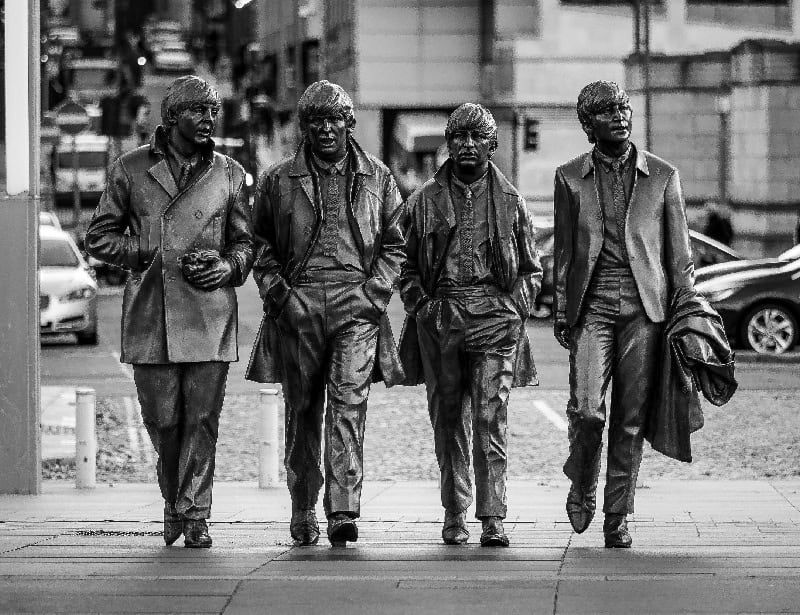
Faith Cohen started Global Beatles Day to recognize more than just hit songs. She picked June 25th because it connects to a moment of worldwide unity. The Beatles led the groundbreaking "Our World" broadcast on that exact day in 1967. Around 400 million people watched this technical achievement. Four satellites linked continents through live TV—something nobody had done before.
John Lennon wrote simple lyrics that worked in any language. George Martin conducted an orchestra that mixed "La Marseillaise" with Bach. This performance, combining art with global reach, led Brian Epstein to later call it the band's "finest moment".
The day shows how four musicians became unexpected peace advocates. They pushed boundaries while promoting togetherness. This effect still shapes current thinking. And their message feels especially right in our divided digital world. Each year, we get a chance to think about whether harmony might actually be possible.
Timeline
The Beatles perform "All You Need Is Love" during first global satellite broadcast on June 25
Faith Cohen establishes Global Beatles Day as an annual worldwide observance
Social media campaigns expand global participation through dedicated hashtags
50th anniversary of the original broadcast brings heightened awareness worldwide
How to Celebrate: A Personalized Guide
People connect with Global Beatles Day in different ways—both alone and together.
Individual & Digital Participation
- Make a Beatles playlist focusing on peace songs. Music gets through when words can't.
- Look into the historic 1967 broadcast that linked people through technology. Knowing the background makes it mean more.
- Share your thoughts using #GlobalBeatlesDay online. Digital connections work across any distance.
- Wear peace symbols or Beatles-inspired clothes that start conversations. Little visual hints can lead to unexpected talks about big ideas.
- Support peace organizations with donations. This turns appreciation into real impact.
- Try learning to play a Beatles song yourself. Getting your hands on the music brings you closer to what they created.
Community & Group Celebrations
Beyond this, groups can celebrate in ways that build local connections:
- Set up listening parties with peace-themed songs. Sharing music feels different—better—than listening alone.
- Start community art projects based on Beatles lyrics. Making things together honors their creative spirit.
- Run charity events that match the band's values. Service puts their message into practice.
- Organize workplace sing-alongs during breaks. Since when does office culture include singing? Since it works to bring people together.
- Plant Beatles-inspired peace gardens in public spots. Living plants—like good ideas—keep growing.
- Show documentaries about how the band evolved. Understanding their journey helps appreciate what they accomplished.
Themes and Cultural Impact
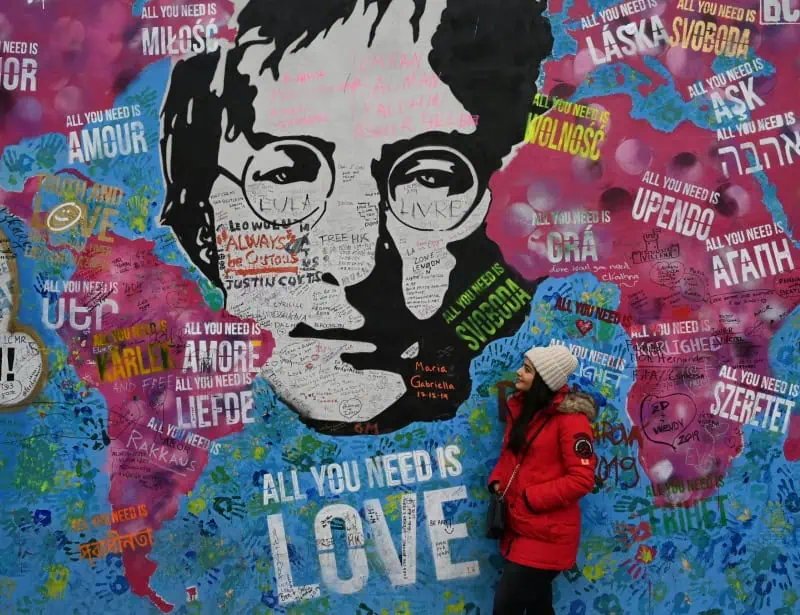
The Beatles changed culture far beyond music. Their sound evolved alongside—and sometimes ahead of—social changes happening worldwide. Peace wasn't just a nice idea; it became their deliberate message during tough political times.
Their harmonies crossed divisions; their words offered different possibilities. This suggests Global Beatles Day celebrates these lasting contributions to how we think.
According to musicologist Allan F. Moore, the Beatles created rare moments when listeners from completely different backgrounds "gravitated toward" a single cultural touchpoint. They mattered more than typical pop stars.
Writer Hanif Kureishi described them as "the only mere pop group you could remove from history" with major cultural consequences. This separates short-term popularity from actual importance.
A 2024 study found 42.1% of surveyed fans credit the Beatles' social impact to their promotion of peace and anti-discrimination values[1]. They weren't just making pleasant sounds—they had a purpose. Global Beatles Day reminds us of this unique cultural contribution.
Carrying The Beatles' Message Forward
Global Beatles Day goes beyond appreciating music—it continues a vision we still need. Faith Cohen said, "It's a pretty easy time to be pessimistic right now... This is a subtle reminder to remember how the world felt at that time. Things were going to get better, and we were going up instead of down." Her words capture why this matters.
Today's challenges—social division, climate problems, political fights—still need love and unity as basic solutions. This June 25th, think about how their ideas might change your actions. Their message is waiting for you to join in. Their legacy deserves your attention.
Resources:
FAQs (Frequently Asked Questions)
Digital tools have transformed Beatles Day celebrations since 2020. Fans now join app-based activities like the 2025 AR scavenger hunt featuring plant sculptures inspired by their music. Recent tech advances even helped recover John Lennon's voice for new releases. This relates to broader shifts in how we experience music heritage. The mix of nostalgic content with modern platforms keeps the Beatles relevant for streaming-era listeners while maintaining their artistic legacy.
Global Beatles Day exists as a fan-driven celebration without government recognition. Faith Cohen started it years ago as a grassroots observance. The day thrives through independent participation rather than central planning. While Apple Corps Ltd. and the Beatles' estates know about the celebration, they don't formally sponsor or manage events. But this approach fits the band's spirit of bringing people together through shared appreciation rather than official structures.
Cultural adaptations of Beatles Day reflect local traditions mixed with universal music appreciation. Japanese and Spanish online communities create region-specific art projects and collaborative covers, as noted in communication research studies. The band's music crosses borders differently than in earlier decades. Since the 1960s, groups like Soviet-era tribute bands performed in secret—doesn't this show how their music persisted despite barriers? Today's grassroots concerts and exhibits maintain this spirit of cultural exchange through music.
Workplaces can bring Beatles Day to life through themed breaks and team playlists that boost morale. Schools might explore the band's effect on music history or use their lyrics in creative writing. Some companies organize charity events based on Beatles songs or connect offices through virtual concerts. Beyond this, team-building activities centered on peace themes help groups bond while honoring the band's message. These shared experiences work better than standard office events because they combine fun with meaningful cultural connect.
Beatles Day connects to peace efforts through John Lennon's activism and the band's vision of unity. When fans gather online or in person, they often discuss how songs like "All You Need is Love" apply to current social challenges. Research shows Beatles communities frequently engage in collective action around justice issues. The band's music serves as entry points for discussing complex topics. This suggests their cultural significance extends beyond entertainment into symbols of solidarity that still inspire gen progress decades after their last album.
Sources & References
- [1]
- Coman, C., Luiza Meseșan-Schmitz, Dobrescu, A., & Vlad Bătrânu-Pințea. (2025). How did the Beatles impact cultural movement on different generations? Frontiers in Communication, 9.
↩
Barbara is a former journalist who is passionate about translating important causes into engaging narratives. She combines communication expertise with an environmental science background to create accessible, fact-driven content.