World Meningitis Day: Know The Signs, Save Lives

World Meningitis Day happens every October 5th. The event connects 135 countries through advocacy work. Back in 2009, the Confederation of Meningitis Organisations created this awareness day to change how communities spot meningitis threats.
Since 2020, awareness efforts have grown stronger. The disease kills around 250,000 people each year while leaving survivors with lasting disabilities.
Early recognition saves lives. Vaccination programs work best when communities understand the risks. This international push creates real impact. When people know the symptoms, healthcare systems respond faster.
Key Info: World Meningitis Day
- When is World Meningitis Day?
Occurs annually on the 5th of October - This Year (2026):
Monday, October 5, 2026 - Official Website: World Meningitis Day
-
Future Dates
- Tuesday, October 5, 2027
- Thursday, October 5, 2028
- Friday, October 5, 2029
-
Additional Details
- Observed By: Health organizations, medical professionals, advocacy groups, and communities worldwide
- Where Is It Observed: International
- Primary Theme: Public Health Awareness
- Hashtags: #WorldMeningitisDay #DefeatMeningitis #MeningitisAwareness #WMDay #StopMeningitis
Quick Links: World Meningitis Day
The Important Need for Meningitis Awareness
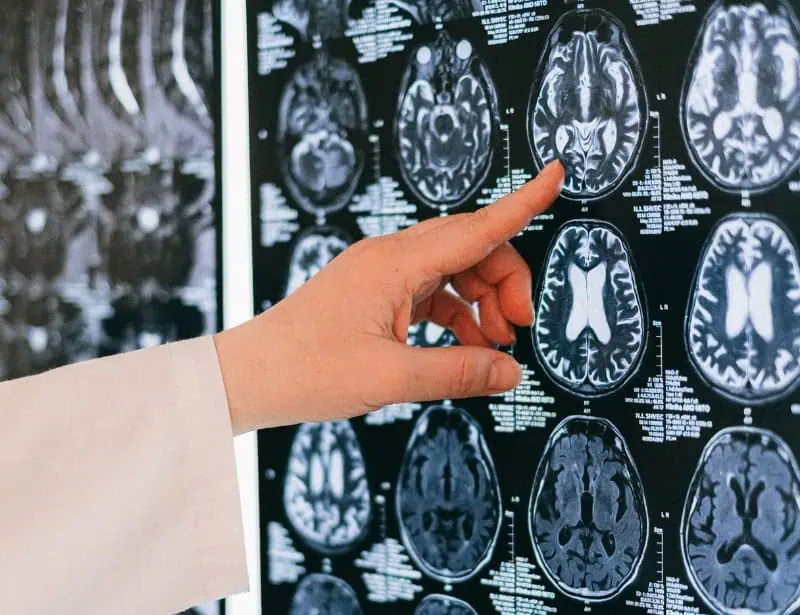
Meningitis awareness prevents deaths through quick community action. The WHO Global Road Map to Defeat Meningitis by 2030 sets clear goals for elimination efforts. The plan aims for 50% fewer vaccine-preventable cases and 70% fewer deaths.
Beyond this, advocacy drives political support for policy changes. Vaccination campaigns succeed when paired with education efforts; Nigeria's Men5CV vaccine reached over 1 million people in 2024.
Health equity drives these campaigns forward. Sub-Saharan Africa still faces high childhood death rates from meningitis. Education bridges the gap between medical advances and community access. Sometimes the simplest message saves the most lives.
Elena Moya from Asociación Española contra la Meningitis captures the movement's progress: "Who could have imagined that 10 years after our first World Meningitis Day would evolve into an initiative supported by the WHO?"
Timeline
World Meningitis Day started when Bob Werner and the Confederation of Meningitis Organisations held an important London meeting, creating the foundation for global advocacy
First worldwide landmark lighting campaigns launched at 8:30 PM local time—building visible solidarity across time zones and recognizable awareness symbols
WHO adopted the Global Road Map to Defeat Meningitis by 2030 through resolution WHA73.9, transforming grassroots grassroots work into official health policy with clear targets
New focus on vaccine access in underserved regions; pentavalent vaccines now achieve 97% effectiveness rates with affordable pricing for resource-limited settings
How to Participate in World Meningitis Day
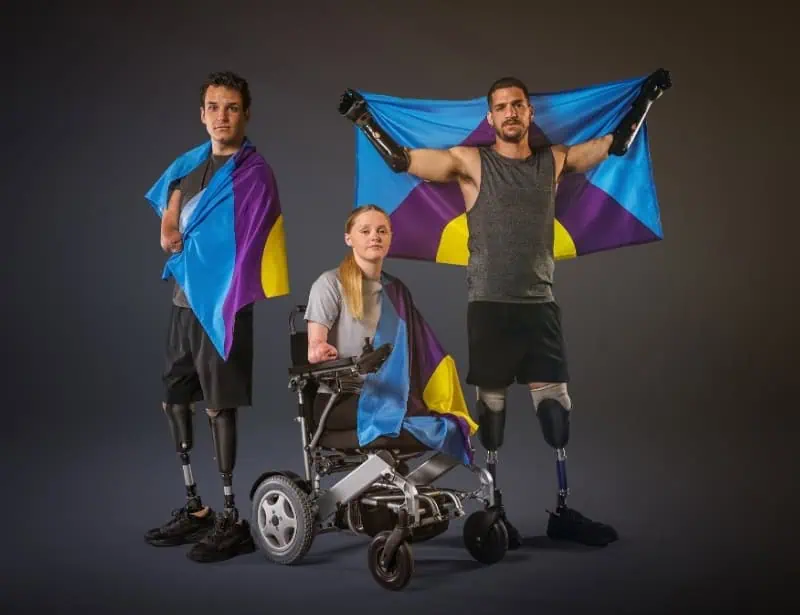
Active participation strengthens global advocacy through community engagement:
- Join landmark lighting campaigns at 8:30 PM local time by illuminating buildings or personal spaces in awareness colors. Share photos across social platforms.
- Launch educational workshops in schools and community centers. Focus on symptom recognition training and vaccination information for different age groups.
- Share survivor stories through digital platforms to show real disease impact, highlighting recovery experiences and prevention success.
- Organize community health fairs with vaccination booths and medical professional consultations to boost local awareness.
- Contact elected representatives about vaccination funding and healthcare access improvements. Policy advocacy creates lasting change.
Important Advocacy Themes and Global Messaging
Recently, prevention education has emphasized the critical window between exposure and tragedy. Brian Davies from the Meningitis Research Foundation explains: "Meningitis may be fatal within 24 hours, so it is critical that everyone is aware of the disease and knows the signs and symptoms to watch for."
Vaccination access drives policy advocacy across all campaigns. Access equity ensures underserved communities get equal protection. Survivor stories create emotional connections that inspire action.
These testimonies demonstrate both devastating impact and prevention success. What role does your community play in closing healthcare gaps?
And health system strengthening through awareness becomes the foundation for long-term protection.
Sustaining Impact Beyond October 5th
Today, year-round advocacy maintains momentum through the Confederation of Meningitis Organisations' campaign portals and ongoing community work. Monthly awareness activities keep meningitis education active in schools and healthcare settings.
This suggests continued community involvement strengthens local prevention networks. Regular social media engagement maintains public attention while building advocacy capacity across different populations.
This sustained approach transforms single-day awareness into permanent community protection. It creates lasting healthcare improvements that matter.
Use the same approach for other illnesses by joining National Aplastic Anemia And MDS Awareness Week and World Lupus Day.
Resources:
FAQs (Frequently Asked Questions)
Meningitis comes in four main types, each affecting patients differently. Viral meningitis occurs most often and rarely threatens lives, though it can make people very sick. Bacterial forms present the greatest danger and need immediate treatment to prevent death. Fungal meningitis develops slowly and remains quite rare. The parasitic version happens least frequently. When doctors examine patients, they look for distinct patterns in how symptoms appear and progress. The WHO tracks these differences to help medical teams worldwide make faster diagnoses.
Research hasn't yet clearly shown how telemedicine affects meningitis care specifically. This gap exists despite WHO's push for faster detection methods, especially in countries where meningitis hits hardest. Since 2020, health systems have expanded virtual care options, but their effect on meningitis outcomes needs more study. Machine learning tools show early promise for improving diagnosis speed, though these systems work best when paired with clinical expertise. This suggests future research should examine how remote consultation might help patients in areas with limited access to specialists.
Sub-Saharan African nations lead the world in beating back meningitis through smart vaccination campaigns. Since 2010, the MenAfriVac vaccine has protected over 315 million people across 24 countries, nearly wiping out meningitis A throughout the region. Nigeria recently took a bold step forward. In 2024, they became the first country to use the new Men5CV vaccine that guards against five bacterial strains at once. Their success stems from three key approaches. First, they targeted high-risk populations with focused campaigns. Next, they coordinated funding from multiple international partners. Finally, they developed vaccines specifically matched to local disease patterns rather than using one-size-fits-all solutions.
Today's meningitis awareness efforts rely heavily on digital tools that help people spot symptoms earlier. Apps that track warning signs have become particularly useful for parents worried about their children. These digital platforms connect users to nearby medical help when minutes matter most. Beyond this, social media campaigns reach younger people who might otherwise miss traditional health messages. Public health teams find these digital approaches work best when combined with in-person education, creating a practical protection strategy that reaches across different age groups and communities.
Communities reshape World Meningitis Day to fit their unique cultural settings and healthcare practices. Some regions blend traditional healing wisdom with modern medical information during awareness events. Schools serve as education hubs in many countries, while religious gathering spaces work better in others. This relates directly to how health messages must respect local customs to be taken seriously. The most effective programs don't just translate materials—they rebuild messages from the ground up with local partners. When communities take ownership of meningitis education, prevention rates improve and lives are saved.
Barbara is a former journalist who is passionate about translating important causes into engaging narratives. She combines communication expertise with an environmental science background to create accessible, fact-driven content.