Stop on Red Week: A National Campaign for Intersection Safety

Stop on Red Week happens every first full week of August. The Federal Highway Administration started this back in 1995 when red-light deaths were climbing fast. They figured public awareness might help.
And it has helped, somewhat. Traffic signal violations still kill over 1,200 people yearly, but communities now have tools to fight back. This relates to how we approach intersection safety today.
Key Info: National Stop on Red Week
- When is National Stop on Red Week?
Occurs in the 1st week of August - This Year (2026):
Sunday 2nd - Saturday 8th August 2026 (date has passed) -
Future Dates
- Sunday 1st - Saturday 7th August 2027
- Sunday 6th - Saturday 12th August 2028
- Sunday 5th - Saturday 11th August 2029
- Sunday 4th - Saturday 10th August 2030
-
Additional Details
- Observed By: Transportation agencies, law enforcement, safety organizations, and the general public
- Where Is It Observed: United States
- Primary Theme: Traffic Signal Safety and Compliance
- Hashtags: #StopOnRed #TrafficSafety #RedLightSafety #IntersectionSafety #StopOnRedWeek
Quick Links: Stop on Red Week
The Numbers Tell a Harsh Story
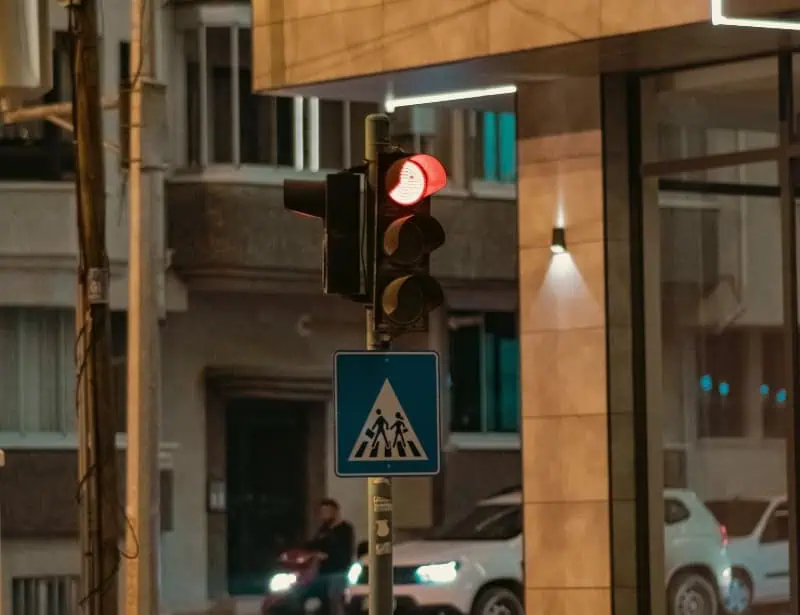
In 2022, red-light running kills 1,272 people at signalized intersections each year, according to the Federal Highway Administration. Most of those deaths involve innocent people. The Insurance Institute for Highway Safety found 7,080 pedestrian deaths in 2024, increasing by 72% since reaching their lowest point in 2009.
Research shows drivers run red lights once every 20 minutes at major city intersections{5}. Every 20 minutes. That's not an accident—that's choice.
The economic impact hits $14 billion annually, per FHWA estimates. Emergency response, medical costs, property damage, lost productivity. Can communities keep absorbing this preventable damage?
How Stop on Red Week Evolved
The FHWA launched this observance in 1995 when intersection deaths were spiking. By 2002, they added an engineering emphasis with "Engineering Safer Intersections" themes.
Today, the campaign runs the first week of August; some communities extend the message year-round, though.
Community Champions Make the Difference
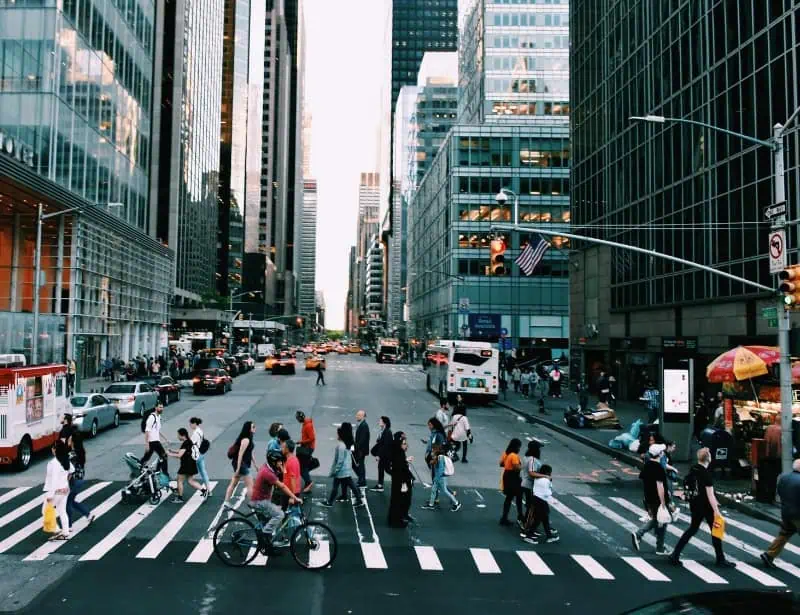
Different groups tackle intersection safety in their own ways:
- Law enforcement steps up patrols during August awareness week. They target high-violation spots and work with local media on messaging. Some departments see 30-40 percent drops in violations during these campaigns—these campaigns really work when done right.
- Schools build traffic safety into driver education, though many programs still treat intersection behavior as an afterthought rather than a life-or-death skill. The best programs use real crash data from their own communities.
- Transportation departments review signal timing and install countermeasures based on FHWA guidance. They analyze crash patterns to find priority locations.
- Community groups host awareness events and distribute materials through local networks. These grassroots efforts often outlast official campaigns.
What Actually Changes Driver Behavior
Stop on Red Week addresses the psychology behind risky intersection choices.
Traffic signal compliance protects everyone using roadways. Driver responsibility extends past personal safety to community protection. ATS Executive Director Harry Teter notes that "red light running is right behind drunk driving and lack of seat belt use in lives lost needlessly".
Institute of Transportation Engineers Executive Director Thomas Brahms points out that "the use of engineering countermeasures can help reduce the extent of the red light running problem". This suggests awareness needs engineering backup.
The Insurance Institute for Highway Safety found red light safety cameras cut fatal red light running crashes in large cities by 21 percent. Yet many communities resist camera programs despite proven results.
Why do drivers still gamble with yellow lights and roll through reds? Engineering solutions help, but they can't fix poor decision-making entirely.
Making Safety Stick Beyond August
Intersection safety can't survive on one week of attention annually. Communities maintain progress through ongoing driver education and partnerships between police and community groups.
Transportation departments continue signal optimization and intersection improvements year-round. Individual drivers must practice defensive approaches and complete stops.
Since 1995, Stop on Red Week has evolved from simple awareness to a comprehensive intersection safety strategy.
Keep roads safer by also joining the International Traffic Light Day and National Impaired Driving Prevention Month.
Resources:
FAQs (Frequently Asked Questions)
Some exciting tech is changing how we protect drivers at crossroads. The University of Washington developed sensors with AI that can predict crashes before they happen. UCLA's team created InfraShield, which uses multiple data types to spot dangers. Toyota isn't sitting back either - they've teamed up with Virginia Tech to study driver assistance systems. Several states are testing warning systems that alert drivers about upcoming red lights. This tech works all year, not just during awareness week.
The facts point to three main culprits: impatience, distraction, and aggression behind the wheel. IIHS research shows young men and people with past tickets run reds more often. Beyond this, we've found two effective solutions. Red-light cameras cut violations significantly in most areas. And proper yellow-light timing matters too - it gives drivers enough seconds to make safe decisions. NHTSA data backs this up, showing fewer crashes where these changes exist. Since 2018, cities that added cameras saw crash rates drop by nearly a quarter.
The US takes a tech-heavy path to intersection safety. Just this January, the Department of Transportation put $4 million into AI systems that detect dangers at crossroads. This suggests a distinct American approach. The International Bridge, Tunnel & Turnpike Association works on global campaigns, but there's a real gap in comparing how different countries handle these awareness efforts. Today, American intersection deaths make up 27% of all traffic fatalities. This percentage shapes how we address the problem compared to other nations with different traffic patterns.
Money for safer intersections comes from several places. The Infrastructure Investment and Jobs Act offers federal grants specifically for automated enforcement tech, as Saferoads.org explains. The Ford Fund provides grants too, especially for communities with limited resources. When budgets get tight, the Federal Highway Administration's STEP program helps towns find cost-effective fixes that work. Red-light cameras can generate funds that go right back into safety work. The research shows these cameras pay off in both safety and financial terms.
Red light cameras cut deadly crashes by 21% in big cities, according to IIHS studies. During awareness week, these systems do double duty - they catch dangerous drivers and collect valuable data about high-risk spots. This helps traffic engineers focus their efforts where problems actually exist. But these systems remain a hot topic in many towns. Some residents worry about privacy when cameras watch intersections. The tension between safety results and personal concerns continues to shape how we use this technology.
Barbara is a former journalist who is passionate about translating important causes into engaging narratives. She combines communication expertise with an environmental science background to create accessible, fact-driven content.