Purple Day: Global Epilepsy Awareness Movement

Purple Day happens every March 26. This isn't the BTS Purple Day you might know. It's specifically for epilepsy awareness. A young girl named Cassidy Megan from Nova Scotia started this movement back in 2008. Today, the observance reaches 85+ countries worldwide.
The day serves two important purposes. It breaks down harmful myths about epilepsy while building real support for people living with seizure disorders.
Key Info: Purple Day
- When is Purple Day?
Occurs annually on the 26th of March - This Year (2026):
Thursday, March 26, 2026 (date has passed) -
Future Dates
- Friday, March 26, 2027
- Sunday, March 26, 2028
- Monday, March 26, 2029
- Tuesday, March 26, 2030
-
Additional Details
- Observed By: Individuals, schools, organizations, and businesses worldwide in the epilepsy community
- Where Is It Observed: International
- Primary Theme: Epilepsy Awareness And Support
- Hashtags: #PurpleDay #EpilepsyAwareness #PowerInPurple #WearPurple #EpilepsySupport
Quick Links: Purple Day
Why Purple Day Matters for Epilepsy Awareness
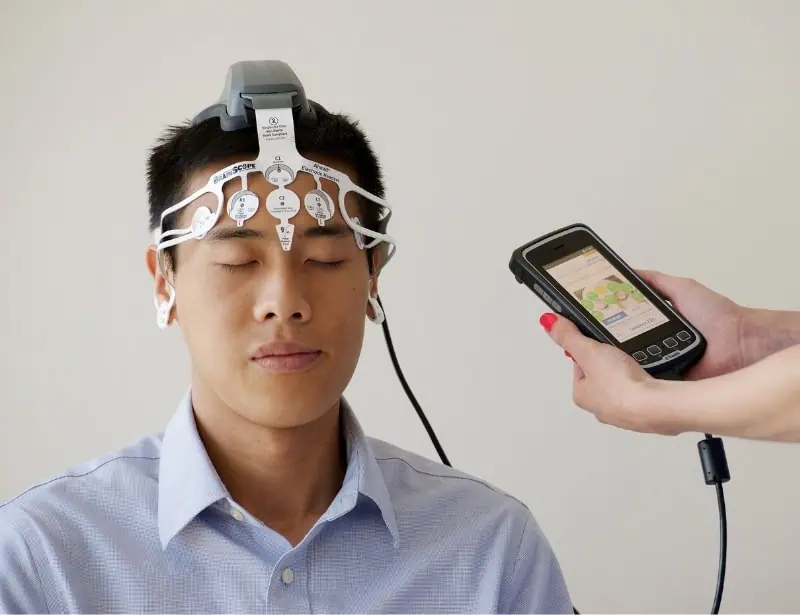
Epilepsy affects roughly 50 million people across the globe. In the United States, 2.9 million adults currently live with active epilepsy. But these aren't just medical statistics; they represent families dealing with daily uncertainties and fears.
Myths about epilepsy still create serious barriers. Many people think seizures spread like a cold. Others believe someone having a seizure might swallow their tongue. Some assume all seizures involve dramatic shaking and falling. All completely false.
These misconceptions fuel workplace discrimination and create social isolation. Purple Day fights back through public education on seizure first aid and workplace inclusion. When people understand epilepsy better, conversations become normal instead of awkward.
Purple represents solidarity within the epilepsy community. Individual understanding builds collective support.
Purple Day Origins and Development
Cassidy Megan lived with epilepsy herself when she created Purple Day. Her grassroots effort started small in Nova Scotia, Canada, in 2008 when she was nine years old. The Epilepsy Association of Nova Scotia partnered with the Anita Kaufmann Foundation to provide early support.
Timeline:
Cassidy creates the Purple Day concept in Nova Scotia
Official international launch with foundation and association partnership
Now observed across 85+ countries with official Purple Day partners worldwide
How to Observe Purple Day

Wearing purple clothing or accessories marks basic participation. Here are some other ways that adapt to your situation:
Individual Actions
Wear purple items throughout March 26. Share epilepsy resources on social media using #PurpleDay and #PowerInPurple hashtags.
Consider donations to epilepsy research organizations or local support groups. Sharing personal stories reduces community stigma more effectively than statistics alone.
Enroll yourself in Seizure Recognition and First Aid online classes.
School Participation
Organize purple dress-up days with student engagement activities. Host educational assemblies covering epilepsy basics and seizure first aid.
Invite local neurologists or epilepsy advocates as guest speakers. Distribute fact sheets that address common seizure misconceptions directly.
Encourage everyone in school to enroll in Seizure Safe Schools Courses.
Workplace Observance
Send team emails featuring epilepsy facts and inclusive workplace practices. Display purple decorations in common areas, meeting rooms, and break spaces.
Arrange fundraising efforts supporting epilepsy organizations. Schedule lunch sessions on neurological diversity and accommodation strategies.
Key Messages and Themes
"Power In Purple" works as the current advocacy theme, emphasizing community strength and shared resilience. Annual themes shift but core messages stay consistent: ending discrimination, promoting seizure safety education, supporting the epilepsy community.
Person-first language shapes all Purple Day communications. We say "people with epilepsy", never "epileptics", because this reflects basic human dignity.
As Dr. Orrin Devinsky, Director of NYU Langone's Comprehensive Epilepsy Center, noted regarding treatment advances: "Our ability to discover epilepsy genes is moving at warp speed, but our ability to develop approved gene therapies has been relatively glacial."
These themes celebrate individual resilience while acknowledging real challenges. Community strength emerges through shared advocacy and breakthrough research progress.
Conclusion
March 26 returns each year as Purple Day. Individual actions create lasting change in epilepsy awareness. Anyone can participate by wearing purple or sharing awareness with personal networks.
Bring light to other disorders by joining World Down Syndrome Day and Rare Disease Day.
Resources:
FAQs (Frequently Asked Questions)
Purple works because it's bold and wasn't taken. Cassidy Megan picked it when she started Purple Day—she wanted something that stood out and helped people see epilepsy differently. The color connects to creativity and mystery rather than medical stuff. Beyond this, purple creates instant recognition. When someone sees it, they know what March 26th means.
You control how much you share. Start with feelings, not medical details. Use first names or initials for family members. Skip medication names and doctor info—focus on your journey instead. Most platforms let you adjust who sees your posts. And here's the thing: you can always delete content later if you change your mind about sharing it.
Purple Day happens in over 100 countries, but most celebrations look similar—people wear purple and host awareness events. Canada stands out though. It's the only country that made March 26th official through legislation back in 2012 with their Purple Day Act. This suggests some countries take formal recognition further than others, but the core activities stay consistent worldwide.
March 26th is the official date, but flexibility works. Many groups stretch it into "Purple Week" or cover the whole month. Schools often pick the nearest weekday for better turnout. Workplaces might host events before and after to fit schedules. The important part is keeping March 26th as the main focus while adapting for real-world needs.
We don't have solid data on this yet. The available research focuses on awareness and reducing stigma, not treatment improvements. While the Epilepsy Foundation reports that 4 in 10 people in developed countries don't get proper epilepsy care, no studies track whether Purple Day campaigns actually increase treatment access or improve seizure control. That would require health system analyses comparing outcomes before and after the campaign started.
Sources & References
- [1]
- Zhao, J., Chen, Q., Dong, J., Gao, M., Ge, S., & Wang, A. (2025). Global, regional, and national burden of epilepsy, 1990–2021: a Global Burden of Disease study. The Lancet Public Health, 9(3), e184-e195.
↩ - [2]
- Centers for Disease Control and Prevention. (2024). Epilepsy Facts and Stats. CDC Epilepsy Program.
↩ - [3]
- World Health Organization. (2024). Epilepsy Fact Sheet. WHO Neurological Disorders Public Health Challenges.
↩ - [4]
- Centers for Disease Control and Prevention. (2025). Sudden unexpected death in epilepsy (SUDEP). CDC Epilepsy Program.
↩
Barbara is a former journalist who is passionate about translating important causes into engaging narratives. She combines communication expertise with an environmental science background to create accessible, fact-driven content.