
National Watermelon Day: Facts, History & Ways to Celebrate

National Watermelon Day hits August 3rd each year—and the numbers behind this celebration might surprise you. The National Watermelon Growers & Distributors Association started this thing back in the early 1980s.
What began as simple farm promotion now generates $225.19 million in industry impact. This agricultural awareness day packs serious promotional power with a 19:1 return on investment. The watermelon industry cranks out roughly 4 billion pounds annually, reaching 72% of U.S. households.
Pretty impressive for what started as farming advocacy.
Key Info: National Watermelon Day
- When is National Watermelon Day?
Occurs annually on the 3rd of August - This Year (2026):
Monday, August 3, 2026 (date has passed) - Official Website: National Watermelon Promotion Board
-
Future Dates
- Tuesday, August 3, 2027
- Thursday, August 3, 2028
- Friday, August 3, 2029
- Saturday, August 3, 2030
-
Additional Details
- Observed By: Watermelon growers, distributors, agricultural organizations, and consumers across the United States
- Where Is It Observed: United States
- Primary Theme: Agricultural Food Celebration
- Hashtags: #NationalWatermelonDay #WatermelonDay #Watermelon #FreshProduce #AgricultureDay
Quick Links: National Watermelon Day
Why National Watermelon Day Matters

Agricultural advocates created this observance to spotlight watermelon's nutrition benefits and farming significance. The founding purpose centered on consumer education about this versatile crop's health advantages; industry leaders recognized that coordinated promotional efforts could reshape market dynamics.
Watermelon delivers exceptional hydration with 92% water content while packing real nutrition. Two cups supply 25% of daily Vitamin C requirements plus the highest lycopene levels among all fresh produce at 12.7 mg per serving. Beyond this, NHANES data analysis points to something interesting: watermelon consumers maintain better overall dietary quality compared to non-consumers.
This awareness day supports broader agricultural education goals. It also generates measurable market expansion. According to Stephanie Barlow, Senior Director of Communications at NWPB, "Leveraging user-generated content and stories is just one way that NWPB can amplify our messaging, and also cultivate a community of consumers who love watermelon."
Modern campaigns achieve over 11.9 million digital impressions annually.
Important Facts and Official Status
The watermelon industry generates approximately $1.2 billion in annual sales. Florida dominates production at 907 million pounds yearly, representing 36% of domestic supply and generating $264.3 million in production value.
North Carolina ranks fifth nationally—contributing over $55.6 million in farm income. When you look at consumer market penetration? It expands continuously with over 3 million new households entering recently.
Agriculture Secretary John R. Block formally designated the first federal celebration on July 30, 1985. The date shifted to August 3rd for optimal harvest timing alignment. Since 1989, the National Watermelon Promotion Board operates with statutory authority under the Watermelon Research and Promotion Act, representing 700 growers, shippers, and importers nationwide.
Average consumers make five annual purchase trips, spending $28.94 per household yearly. The Heavy consumer segment represents 25% of households but accounts for 63% of total category purchases.
Timeline
National Watermelon Growers & Distributors Association establishes observance
Initial promotion through agricultural networks and state associations
Expansion to educational institutions and broader consumer awareness campaigns
How to Celebrate National Watermelon Day
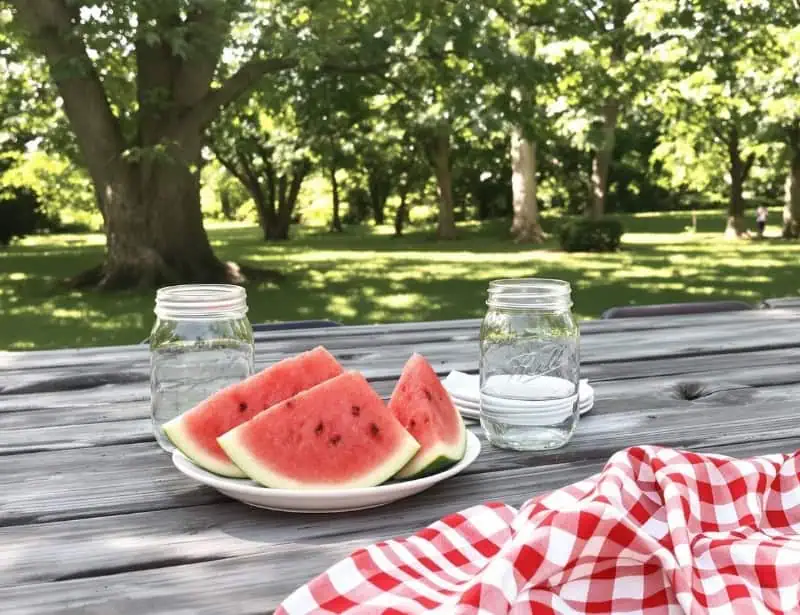
Active participation supports American agriculture while enjoying summer's most refreshing fruit. These celebration methods connect communities with farming heritage and nutritional awareness:
Direct farm connections
- Visit local farmers markets - Purchase directly from growers and discover cultivation practices
- Connect with agricultural extension offices - Learn about local watermelon production and sustainable techniques
- Support watermelon research - Contribute to agricultural universities studying improved growing methods
Community engagement
- Host watermelon tasting events - Compare varieties while educating about nutritional benefits
- Organize community contests - Seed-spitting competitions and largest watermelon displays engage all ages
- Create educational displays - Schools and libraries feature watermelon nutrition facts and farming information
- Participate in state celebrations - Agricultural departments coordinate official events with prizes up to $2,000
Creative participation
- Share social media content - Post photos using #NationalWatermelonDay for awareness amplification
- Try whole-watermelon cooking - Explore rind recipes and minimize food waste through creative preparation
- Plan themed restaurant visits - Encourage food service establishments to feature watermelon menu items
According to Juliemar Rosado, Director of Retail Operations for NWPB, "nutrition and selection information are the top two topics that drive purchase decisions." This relates to why community engagement amplifies these educational opportunities so effectively.
Geographic Participation and Industry Recognition
The United States concentrates observance activities in major watermelon-producing regions with impressive coordination. Florida, Georgia, Texas, and California organize extensive state-level celebrations with agricultural associations providing backbone support.
The Florida Watermelon Association leverages the state's leading producer position through comprehensive promotional activities. The Florida Watermelon Queen program serves as a central promotional component, with 2025 Queen Reagan Hudson making educational appearances statewide.
As a University of Florida College of Agriculture graduate, she brings academic credibility to promotional efforts. North Carolina coordinates events at state farmers markets, featuring largest watermelon contests with $2,000 prize money.
Educational institutions increasingly participate through nutrition programs and agricultural studies. The National Watermelon Association represents 468 active members across the complete value chain. Regional participation strengthens producer-consumer connections while building agricultural literacy nationwide.
Makes sense when you consider the economic impact.
Wrapping Up
National Watermelon Day celebrates agricultural advocacy through measurable promotional impact and nutritional education—connecting farming communities with consumers via organized celebration and awareness building.
If you love more refreshing fruits, save National Coconut Day in your calendar. Or bookmark our Seasonal Produce Guide if you want to start growing your own.
Resources:
FAQs (Frequently Asked Questions)
Watermelon gives athletes real benefits through its carbs and antioxidants. A 2016 study found watermelon puree works just as well as those 6% carb sports drinks athletes chug down after workouts. Beyond this, it helps muscles bounce back faster. Athletes in a 2019 test showed much less fatigue when they had watermelon after exercise. The fruit contains L-citrulline that improves oxygen flow to muscles. Gonzalez and his team discovered this connection in their 2022 research. Today, more coaches recommend watermelon as a natural alternative to commercial products.
Research needed
Keep whole watermelons at room temperature where they'll stay good for up to 2 weeks. Cut pieces need refrigeration in sealed containers and will last about 5 days. This matters for safety reasons. Never eat cut watermelon that's been sitting out more than 4 hours - bacteria multiply too quickly. Always wash the outer rind before your knife touches it. The USDA points to this simple step as key for preventing contamination between the rind and the pink flesh.
Americans mostly eat watermelon raw as a snack or in fruit salads. But worldwide, this fruit has many more uses. Mediterranean cooks throw watermelon slices on the grill, giving them a smoky-sweet flavor. In Southeast Asia, the white rind gets tossed into stir-fries instead of being thrown away. Middle Eastern traditions include pickling those rinds with spices. Since 2010, Japanese square watermelons have become status symbols, given as premium gifts despite their $100+ price tags. These different approaches show how one fruit adapts across food cultures.
The National Watermelon Association mentions ongoing social media campaigns in their promotional materials, but solid research about specific changes to National Watermelon Day celebrations since 2020 isn't available. This suggests an opportunity for fresh data collection on this topic.
Barbara is a former journalist who is passionate about translating important causes into engaging narratives. She combines communication expertise with an environmental science background to create accessible, fact-driven content.
