
National Sunscreen Day: Your Complete Guide to Sun Protection

May 27 marks National Sunscreen Day each year. Americans also celebrate "Don't Fry Day" on the Friday before Memorial Day weekend. This timing makes sense—right when summer activities start ramping up. Skin cancer prevention sits at the heart of this day. And the stats back up why we need it: nearly 10,000 people die yearly from melanoma, though proper protection could prevent most cases.
Sun damage builds up quietly over decades. Most of us don't realize how much UV exposure we actually get. One application makes a difference.
Key Info: National Sunscreen Day
- When is National Sunscreen Day?
Occurs annually on the 27th of May - This Year (2026):
Wednesday, May 27, 2026 (date has passed) -
Future Dates
- Thursday, May 27, 2027
- Saturday, May 27, 2028
- Sunday, May 27, 2029
- Monday, May 27, 2030
-
Additional Details
- Observed By: Healthcare organizations, dermatologists, skincare professionals, and public health advocates
- Where Is It Observed: United States
- Primary Theme: Sun Protection and Skin Cancer Prevention
- Hashtags: #NationalSunscreenDay #SunSafety #SkinCancerPrevention #WearSunscreen #SkinHealth
Quick Links: National Sunscreen Day
National Sunscreen Day: Purpose and Effect

This day takes aim at America's most common cancer. Nearly five million people nationwide deal with skin cancer annually. The event creates teaching moments right before the months with the highest UV levels begin.
Summer activities boost UV exposure compared to winter. Yet wrong ideas about sun safety refuse to fade. Lots of people still think—no, believe—clouds block UV rays completely. A review of multiple studies reported clouds lower UV radiation by 15–45%, but some observations say otherwise. Scattered clouds can enhance UV radiation[1].
Everyone must learn proper protection methods. Wearing sunscreen is one of the ways every skin expert recommends.
Behavior shifts show up strongest in places with ongoing education. The SunSmart program, which started in 1988 in Melbourne, improved residents' behavior, all thanks to their Slip, Slop, Slap, Seek, Slide program.
Even though there is no specific creator, National Sunscreen Day is one of the many reminders throughout the year that aim to produce good news such as this.
Origins and Sponsoring Organizations
This relates to how National Sunscreen Day grew from real medical concerns. Dr. Jeff Ashley first suggested "Don't Fry Day" back in November 2008 while heading Sun Safety for Kids.
The National Council on Skin Cancer Prevention picked up his idea right away. This group brings together more than 40 organizations focused on teaching prevention.
The American Academy of Dermatology lends research know-how and outreach skills. The Environmental Protection Agency created the UV Index tool that now forms a key part of campaign messages.
The main point stays simple, even as awareness tactics change. Aside from sunscreen, we should use clothing, hats, and sunglasses, and seek shade together.
How to Meaningfully Observe National Sunscreen Day
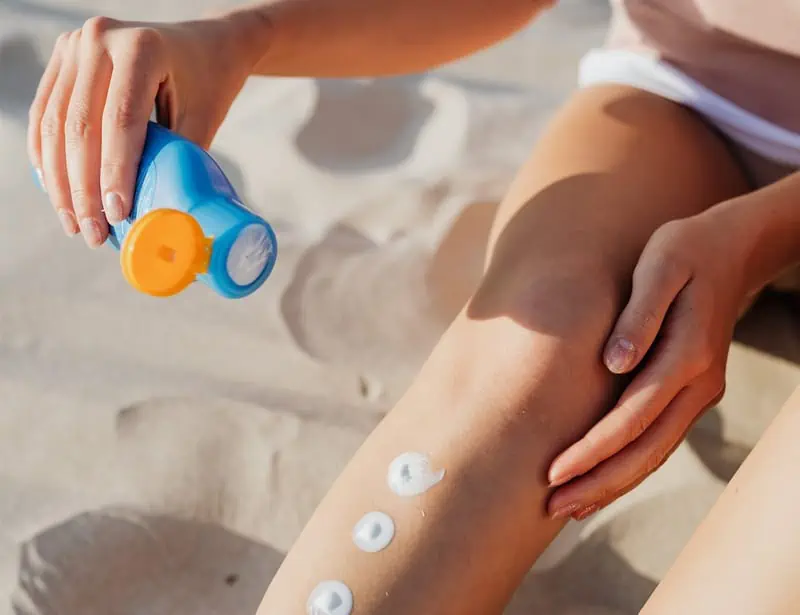
Taking part creates a real effect through thoughtful action. Try these options:
- Set up a sunscreen station with samples and demos in community spaces
- Start a #SunSafeSelfie challenge online
- Arrange free skin cancer screenings with local skin doctors
- Run UV Detection Activities using beads that change color in sunlight
- Launch a sunscreen donation drive for schools and summer camps
Want more engagement ideas? Consider these:
- Create displays showing UV damage through special photography
- Host a Sun Safety fashion show featuring protective clothing
- Team up with outdoor venues to hand out protection resources
- Develop classroom lessons on sun protection science
- Start a pledge for regular sunscreen habits with your local skin organizations
Educational Resources and Campaigns
Today's tools boost this day's teaching potential. Apps on our phones, SunSmart's UV index widget for websites, and many more offer real-time exposure alerts.
Schools can get age-appropriate materials through the SunWise program by the National Environmental Education Foundation.
Store participation extends educational reach quite a bit. Sunscreen brands' sales campaigns during summer include valuable messages against UV radiation. However, be mindful of your purchases.
In 2022, a cross-sectional study summarized the compliance of beauty stores with the three sunscreen criteria of the American Academy of Dermatology: SPF of 30 or higher, broad-spectrum protection, and water resistance. The study reported that 65.5% of sunscreens from Ulta, 42.9% of sunscreens from Sephora, 76.4% of sunscreens from Walmart, and 91.8% of sunscreens from Walgreens met all three criteria[2].
Lastly, social media campaigns generate massive engagement. There's a plethora of campaigns you can choose from aside from using #NationalSunscreenDay. Upload a beach day photo, share a credible fact, and debunk misinformation using trending hashtags to reach more people. Top ones include #WearSunscreen by the Personal Care Products Council.
Resources:
FAQs (Frequently Asked Questions)
Skin cancer hits the U.S. economy hard – $8.1 billion yearly in treatment costs alone, with broader effects reaching $23 billion when you count lost work time and productivity. This relates to why National Sunscreen Day matters. Recent medical studies link up to 86% of melanomas directly to UV exposure, making sunscreen a clear connection between personal protection and smart healthcare economics. Since 2019, more hospitals and insurance companies have started backing these awareness days as they've seen the data on prevention costs versus treatment. Could this practical protection approach eventually reduce nationwide healthcare spending? The numbers certainly suggest so.
Today's virtual options make joining National Sunscreen Day simple from anywhere. Sign up for digital skin checks with dermatologists who offer free virtual visits that day. Many people post #SunscreenSelfie photos showing their protection habits. Beyond this, UV-tracking apps help monitor exposure levels throughout the day. And some organizations host online webinars about skin protection – these generally run 30-45 minutes and cover basics plus new research findings for better gen progress in sun safety awareness.
Certain sunscreen chemicals wash off and harm marine life. The National Park Service found that oxybenzone contributes to coral bleaching, with about 14,000 tons entering waterways each year. This suggests a careful balance between skin and environmental protection. Mineral-based products with zinc oxide or titanium dioxide break down less in water. Virgin Islands National Park and similar protected areas now recommend these alternatives. When swimming in sensitive areas, cover up with UV shirts instead of reapplying chemical sunscreens.
CDC research points to clear gaps in who uses sunscreen regularly. Women apply it twice as often as men. Income and education create another divide – people earning under $50,000 annually report using sunscreen 30% less frequently than higher-income groups. In practice, these patterns match other preventive health behaviors. Someone who knows their skin cancer risk factors typically takes sun protection more seriously. But while sunscreen products appear everywhere, actual knowledge about effective use remains uneven across communities, shaping both participation and long-term health outcomes.
Sources & References
- [1]
- Calbó, J., Pages, D., & González, J. A. (2005). Empirical studies of cloud effects on UV radiation: A review. Reviews of Geophysics, 43(2).
↩ - [2]
- Shimon, S. V., Hernandez, L. E., & Nouri, K. (2023). Commentary: Sunscreen Compliance with American Academy of Dermatology Recommendations: A 2022 Update and Cross-Sectional Study. Journal of Dermatology and Skin Science, 5(1), 1-3.
↩
Barbara is a former journalist who is passionate about translating important causes into engaging narratives. She combines communication expertise with an environmental science background to create accessible, fact-driven content.
Fact Checked By:
Isabela Sedano, BEng.
