
National Pulmonary Rehabilitation Week Celebrates Recovery

National Pulmonary Rehabilitation Week happens during the second full week of March each year. The American Association for Cardiovascular and Pulmonary Rehabilitation started this observance to highlight life-changing rehabilitation programs.
AACVPR was formed in 1985 with one clear mission—to help people with chronic respiratory diseases breathe easier and live fuller lives.
This week celebrates rehabilitation professionals who transform patient outcomes daily. Programs combine exercise training, education, and behavioral support to address conditions like COPD. The observance connects two important goals: recognizing expert care providers and empowering patients to seek help.
Key Info: National Pulmonary Rehabilitation Week
- When is National Pulmonary Rehabilitation Week?
Occurs in the 2nd week of March - This Year (2026):
Sunday 8th - Saturday 14th March 2026 (date has passed) - Official Website: AACVPR
-
Future Dates
- Sunday 14th - Saturday 20th March 2027
- Sunday 12th - Saturday 18th March 2028
- Sunday 11th - Saturday 17th March 2029
- Sunday 10th - Saturday 16th March 2030
-
Additional Details
- Observed By: Healthcare professionals, pulmonary rehabilitation therapists, patients with chronic pulmonary conditions
- Where Is It Observed: United States
- Primary Theme: Pulmonary Rehabilitation Awareness
- Hashtags: #PulmonaryRehab #RespiratoryHealth #AACVPR #PulmonaryRehabilitationWeek #ChronicLungDisease #BreathingBetter
Quick Links: National Pulmonary Rehabilitation Week
Why This Week Matters
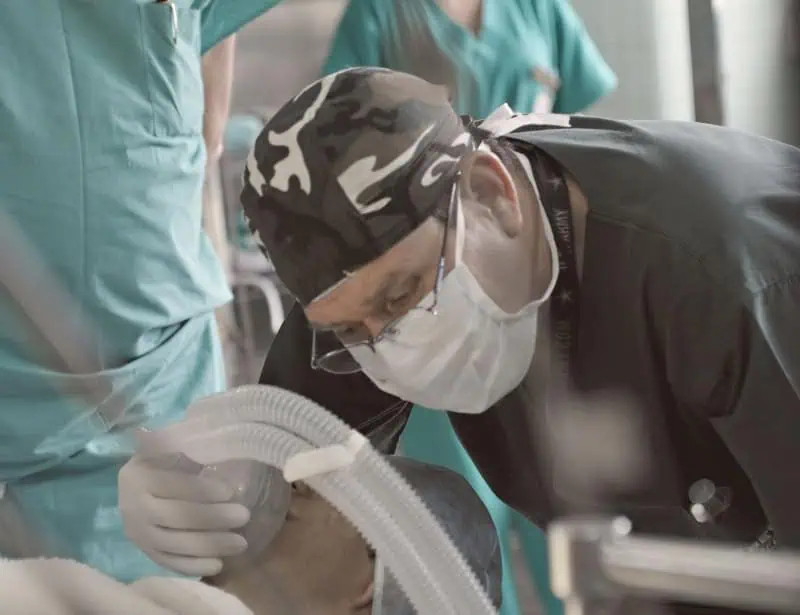
Chronic respiratory diseases impact 11.1 million Americans. But here's what's troubling—fewer than 4% of Medicare patients with COPD attend rehabilitation programs.
This gap represents missed opportunities for dramatic health improvements; healthcare professionals deserve recognition for delivering specialized care that reduces hospital readmissions and improves exercise capacity.
Patient success stories show how structured programs restore quality of life. Access barriers require urgent advocacy since 56% of U.S. counties lack pulmonary rehabilitation centers.
This observance creates momentum for improved insurance coverage, as total COPD-attributable medical costs reach $31.3 billion annually. The week amplifies voices calling for change, and rehabilitation professionals work tirelessly to close these gaps.
Timeline: Evolution of the Observance
American Association for Cardiovascular and Pulmonary Rehabilitation founded to advance care across disciplines
National Pulmonary Rehabilitation Week formally established during March awareness campaigns
Annual observance with expanding facility participation nationwide, featuring "A Breath Away From Better Health" theme
What Happens During This Week
Healthcare facilities organize targeted events connecting programs with potential patients. Open houses showcase rehabilitation environments while free pulmonary function screenings identify candidates for care. Staff recognition ceremonies honor specialists delivering interventions that protect patient outcomes.
Patient testimonial campaigns share transformation stories through social media and community gatherings. These personal accounts show real-world effectiveness better than statistics alone.
Educational webinars expand reach beyond geographic limitations. Digital engagement boosts awareness through official hashtags and virtual program tours.
Local media features highlight success stories while healthcare providers distribute AACVPR materials at community centers. Virtual accessibility ensures broader participation regardless of location constraints.
How to Participate and Raise Awareness

Patients & Families can share rehabilitation experiences on social media to inspire others facing breathing difficulties. Attend local events or request physician referrals for chronic respiratory symptoms, and connect with AACVPR support networks for peer guidance.
Healthcare Providers should host facility open houses that highlight program benefits to potential patients. Are enough physicians actually making appropriate referrals?
Conduct community presentations at senior centers and health fairs. Recognize rehabilitation staff publicly during the week.
Community Members can boost awareness through social sharing using official themes. Contact legislators about program access barriers affecting rural communities, and learn respiratory health basics to support family members navigating chronic conditions.
Key Themes and Messages
Rehabilitation transforms respiratory health through approaches combining exercise training, education, and behavioral support. Professional expertise delivers interventions that generate progress.
Early program enrollment improves long-term outcomes significantly.
Access barriers demand ongoing advocacy since many eligible patients never receive proper referrals despite Medicare coverage. These consistent themes transcend annual variations while providing stable advocacy frameworks for sustained change.
Conclusion
This week celebrates existing programs while expanding awareness to underserved patients. Locate nearby programs through the AACVPR directory and initiate physician conversations about rehabilitation referrals.
Respiratory conditions don't have to limit your life. Rehabilitation provides tools for thriving, and the theme "A Breath Away From Better Health" points to achievable transformation through professional care and patient commitment.
For other events helping patients recover, join National Cardiac Rehabilitation Week and World Physical Therapy.
Resources:
FAQs (Frequently Asked Questions)
You can't catch your breath on stairs. A walk to the mailbox leaves you winded. That cough's been hanging around for two months, and you're exhausted doing normal stuff. Don't write this off as getting older - these symptoms indicate real problems that rehab can address. This awareness week creates the perfect opening to discuss these issues with your doctor. Early treatment produces better results than waiting until you can barely get around.
Companies need wellness committees with real leadership backing. Research from workplace health studies shows commitment from the top determines success. The Cardiac and Pulmonary Rehabilitation organization recommends using this week to promote rehab services among staff and community members. Beyond awareness, employers can weave breathing education and supervised exercise into current wellness programs. This approach protects workers with lung disease while helping those at risk.
Ask about staff credentials - certified exercise physiologists and registered respiratory therapists make the difference. Most programs run 8-12 weeks with regular sessions. Request their outcome data showing patient improvements in exercise capacity and daily life function. Verify insurance coverage and your out-of-pocket costs upfront. Most important step: ask to observe a session or chat with current patients. Quality programs encourage this transparency.
The National Pulmonary Rehabilitation Strategy from Lung Foundation Australia outlines effective multi-level campaigns. You need patient success stories, health professional champions, and community partnerships working together. The American Association of Cardiovascular and Pulmonary Rehabilitation suggests hosting educational events and sharing patient experiences with hospital administrators. Real stories from actual patients change attitudes and open funding opportunities.
Many primary care physicians don't realize how much rehab helps patients. They think people won't follow through with programs or assume breathing problems just come with disease progression. Referral barriers include insurance uncertainty and limited knowledge about local program options. During this awareness week, bring up rehab referrals directly if you have COPD, pulmonary fibrosis, or other respiratory conditions. Patient questions often trigger appropriate referrals.
Sources & References
- [1]
- Rochester, C. L., et al. (2023). Pulmonary Rehabilitation for Adults with Chronic Respiratory Disease: An Official American Thoracic Society Clinical Practice Guideline. American Journal of Respiratory and Critical Care Medicine, 208(4), e7-e26.
↩ - [2]
- Burtin, C., et al. (2024). Do pulmonary rehabilitation programmes improve outcomes in patients with COPD posthospital discharge for exacerbation: a systematic review and meta-analysis. Thorax, advance online publication.
↩ - [3]
- Mannino, D. M., et al. (2023). National and Local Direct Medical Cost Burden of COPD in the United States From 2016 to 2019 and Projections Through 2029. CHEST, 165(5), 1007-1018.
↩ - [4]
- Malla, G., et al. (2023). Access to Pulmonary Rehabilitation among Medicare Beneficiaries with Chronic Obstructive Pulmonary Disease. Annals of the American Thoracic Society, 20(4), 516-522.
↩
Barbara is a former journalist who is passionate about translating important causes into engaging narratives. She combines communication expertise with an environmental science background to create accessible, fact-driven content.
