National Multiple Sclerosis Education And Awareness Week Guide

Nearly 1 million Americans live with multiple sclerosis today. Symptoms often stay hidden from view. That's why National Multiple Sclerosis Education and Awareness Week has been running during the second week of March since 2003. The National Multiple Sclerosis Society started this to shine a light on both obvious and invisible effects of MS attacking the brain and spinal cord.
This week does two important things. It teaches the public first. Then it gives the MS community tools for advocacy and connection. Both missions change lives through better understanding.
Key Info: National Multiple Sclerosis Education and Awareness Week
- When is National Multiple Sclerosis Education and Awareness Week?
Occurs on the 2nd Sunday of March - This Year (2026):
Sunday, March 8, 2026 (date has passed) - Official Website: National Multiple Sclerosis Society
-
Future Dates
- Sunday, March 14, 2027
- Sunday, March 12, 2028
- Sunday, March 11, 2029
-
Additional Details
- Observed By: Healthcare organizations, MS advocacy groups, individuals and families affected by MS
- Where Is It Observed: United States
- Primary Theme: Multiple Sclerosis Education and Community Awareness
- Hashtags: #MSAwareness #MultipleSclerosis #MSEducation #MSCommunity #MSUnseen
Quick Links: National Multiple Sclerosis Education and Awareness Week
Why National Multiple Sclerosis Education and Awareness Week Matters
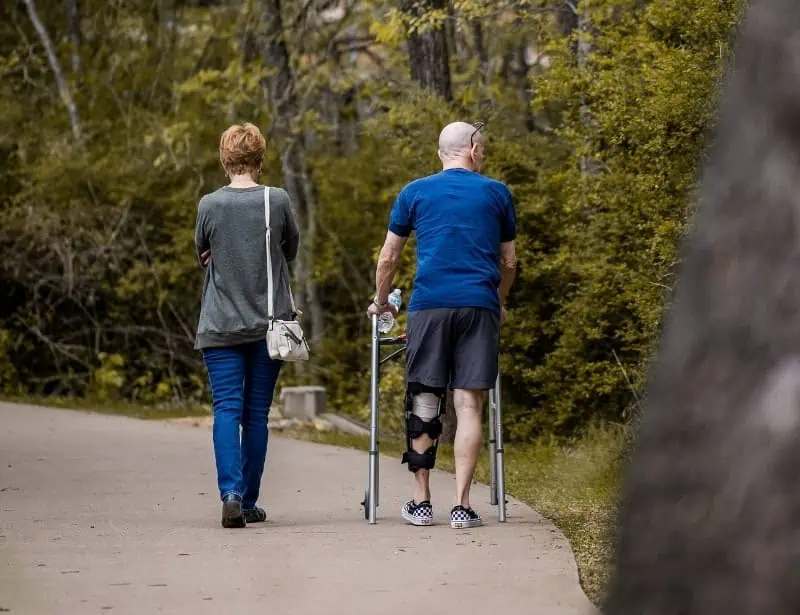
This awareness push tackles a real gap in public knowledge. Most people think MS means wheelchairs, period. The disease hits mobility, sure. It also brings brain fog, bone-deep exhaustion, and pain nobody can see from the outside.
Public education shapes progress. People learn about invisible struggles alongside visible ones. Doctors get better at understanding what patients actually go through day to day. The "MS Unseen" campaign shows hidden battles that shape daily life. Research funding grows when awareness spreads, and policy work gets stronger when communities unite.
And why does visibility matter this much? It breaks the isolation that defines so many MS experiences. It connects people to support networks that support real change.
Important Statistics About Multiple Sclerosis
The numbers show the reality of MS in the United States:
- How common: Multiple sclerosis affects approximately 309.2 per 100,000 Americans, with 913,925 prevalent cases nationwide
- Gender difference: Women get MS at nearly 3 times the rate of men
- Peak years: 55-64 age group shows the highest prevalance
- Location patterns: More cases show up as you move north; the pattern holds across regions
- Economic burden: MS costs reached $85.4 billion annually in the United States. More than half of the direct costs are retail prescription medication.
How MS Awareness Efforts Developed
National Multiple Sclerosis Society founded
Orange ribbon becomes the MS symbol
March gets designated as MS Awareness Month
National MS Education and Awareness Week established March 8-14
"MS Unseen" campaign launches to reveal invisible symptoms
"Your MS Your Voice" patient programs expand nationwide
How to Observe National Multiple Sclerosis Education and Awareness Week
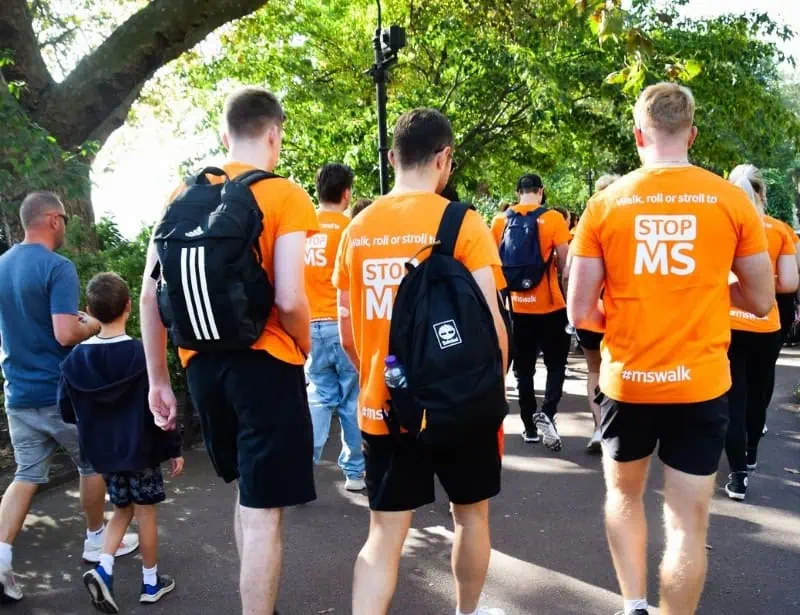
People can participate at different comfort levels:
Simple steps include wearing orange clothes or accessories. Read and share personal MS stories using #MSAwarenessWeek and #MSUnseen tags. Put orange ribbons at home or work. Follow MS groups on social media to boost their reach.
Workplace efforts work well too. Host lunch sessions with NMSS speakers. Organize fundraising drives for MS research. Create awareness displays in break rooms. Start employee groups focused on disability support and invisible illness recognition.
Healthcare providers can conduct patient education about MS symptoms and treatments. Hand out screening info in waiting rooms. Share materials from NMSS and MSAA. Update staff training on recognizing invisible disabilities.
Community leadership means organizing or attending MS walks and fundraising events. Push advocacy campaigns with local representatives. Partner with local NMSS chapters for outreach. Host events at libraries, community centers, faith organizations. The NMSS puts out annual toolkits with ready-made materials.
Graphics for social media, fact sheets, and event planning guides make participation easier. Check out the National MS Society's comprehensive MS resources.
Annual Themes and Message Focus
The National Multiple Sclerosis Society picks specific themes each year. Recent campaigns like "MS Unseen" show invisible symptoms that mess with daily life.
Dr. Bruce Bebo, Executive Vice President of Research at the National Multiple Sclerosis Society, says these efforts help healthcare providers "reach a diagnosis more quickly and accurately."
Some themes stick around year after year. Making invisible symptoms visible builds public understanding. Patient self-advocacy teaches important skills. Breaking isolation connects community members across the country—advocacy education turns individual voices into group power.
In practice, each year brings fresh toolkits. Downloadable social media graphics, updated fact sheets, and current event materials for organizations and advocates who want to help.
Conclusion
National Multiple Sclerosis Education and Awareness Week changes lives every second week of March by showing hidden struggles and connecting isolated people to supportive communities.
Individual action creates bigger change. Visibility builds understanding. Understanding creates support that improves life for everyone in the MS community.
Raise awareness of other disorders by joining National Celiac Disease Awareness Day and Moebius Syndrome Awareness Day.
Resources:
FAQs (Frequently Asked Questions)
The National Multiple Sclerosis Society gives you everything free - posters you can download right now, social media graphics, email templates, fact sheets. Check nationalmssociety.org first. Your local NMSS chapter has physical stuff too. Table tents, orange ribbons, speakers who'll come talk to your group. The MS Association of America also ships free brochures and supports virtual events through their site. Download materials work immediately. Physical materials? Give them 2-3 weeks to ship.
Wear orange March 8-14. That's it - you're participating. Share NMSS posts on your social media to boost their reach. Print their free posters for your waiting room or break room wall. Does your company send newsletters? Add one MS fact or a community member's story. Local NMSS chapters provide free speakers for lunch sessions. This takes maybe an hour of your time. Better yet - team up with other local businesses. Split costs, double the community impact.
Pick specific goals first. Education numbers, new community connections, fundraising targets - what matters to you? Count attendance, track social media engagement like likes, shares, comments. Note how many materials you gave out. The NMSS suggests simple surveys asking what people learned about MS. Long-term success shows up later. More local chapter members, new volunteers, healthcare providers referring patients to MS resources. Save participant stories and feedback for planning next year's event.
Standard workplace event insurance typically covers MS awareness activities. Most activities fall under general educational programming. Check with your HR department or insurance provider about your current coverage. The NMSS provides liability guidance for event organizers through their chapter support teams. Educational events with guest speakers usually require the same coverage as other workplace presentations. Document your activities and keep attendance records. This protects both your organization and participants.
Start simple. Put MS fact sheets in waiting areas. Add awareness week mentions to appointment reminders. Include MS info in patient newsletters. Beyond this, try brief conversations during regular visits for patients with neurological symptoms. The NMSS creates healthcare materials designed for 2-3 minute patient talks. Some practices schedule lunch-hour MS sessions. Staff can use MS Awareness Week as a natural opening to discuss symptoms patients might have dismissed as stress or normal aging. This relates directly to early detection goals.
Sources & References
- [1]
- Nadeem, Z. A., Ashraf, H., Nadeem, A., Kareem, R., Ashfaq, H., & Majid, Z. (2024). Trends in mortality due to multiple sclerosis in the United States: A retrospective analysis from 1999 to 2020. Multiple Sclerosis and Related Disorders, 69, 104444.
↩ - [2]
- Walton, C., King, R., Rechtman, L., Kaye, W., Leray, E., Marrie, R. A., ... & Baneke, P. (2020). Rising prevalence of multiple sclerosis worldwide. Neurological Sciences, 41(11), 2881-2890.
↩ - [3]
- Wallin, M. T., Culpepper, W. J., Nichols, E., Bhutta, Z. A., Gebrehiwot, T. T., Hay, S. I., ... & Vos, T. (2023). Population-based estimates for the prevalence of multiple sclerosis in the United States by race, ethnicity, age, sex, and geographic region. JAMA Neurology, 80(7), 693-701.
↩ - [4]
- Bebo, B., Cintina, I., LaRocca, N., Ritter, L., Talente, B., Hartung, D., ... & Stuart, B. (2022). The economic burden of multiple sclerosis in the United States: estimate of direct and indirect costs. Neurology, 98(18), e1810-e1819.
↩
Barbara is a former journalist who is passionate about translating important causes into engaging narratives. She combines communication expertise with an environmental science background to create accessible, fact-driven content.