
National Macadamia Nut Day: Your Complete Guide

National Macadamia Nut Day happens every September 4th. This food holiday started in the United States, but Australia joins in, too. The day shows off macadamia nuts and their rich nutrition.
Food lovers in both countries mark this celebration. It builds awareness of these buttery, nutrient-packed nuts. Why celebrate on September 4th? Because these nuts deserve recognition.
Key Info: National Macadamia Nut Day
- When is National Macadamia Nut Day?
Occurs annually on the 4th of September - This Year (2026):
Friday, September 4, 2026 (date has passed) -
Future Dates
- Saturday, September 4, 2027
- Monday, September 4, 2028
- Tuesday, September 4, 2029
- Wednesday, September 4, 2030
-
Additional Details
- Observed By: Food enthusiasts, culinary professionals, and agricultural communities with particular focus in Hawaii and Australia
- Where Is It Observed: United States
- Primary Theme: Food And Agriculture Appreciation
- Hashtags: #NationalMacadamiaNutDay #MacadamiaNuts #MacadamiaDay #FoodHoliday
Quick Links: National Macadamia Nut Day
Why This Unofficial Holiday Gained Momentum

Agricultural communities sparked the macadamia movement through direct consumer connection. Farmers' markets began featuring macadamia tastings in the early 2000s—specialty food festivals followed. Premium nut demand surged as people wanted healthier snacks.
The global macadamia market hit $1.58 billion in 2022; projections indicate growth to $3.57 billion by 2030. Recent FDA approval of qualified health claims created real credibility for macadamia promotion.
China's explosive demand surge reached 29,500 metric tons in 2023, up 70% year on year. This points to serious international market potential.
Australian growers embraced the celebration as a form of heritage recognition. These nuts originated as native Australian trees. Social media amplified grassroots enthusiasm among food bloggers and health advocates.
The celebration grew organically—no centralized organization or corporate sponsorship needed.
Essential Facts About September 4th Observance
September 4th happens every year in both countries. Primary observance occurs in the United States through food industry networks; Australia provides cultural authenticity and production expertise.
This unofficial status allows people to get creative with their participation. Restaurant participation peaks during early September. People focus on premium quality messaging and nutritional education.
Fixed dates create reliable marketing opportunities for specialty food stores.
Creative Ways to Celebrate National Macadamia Nut Day
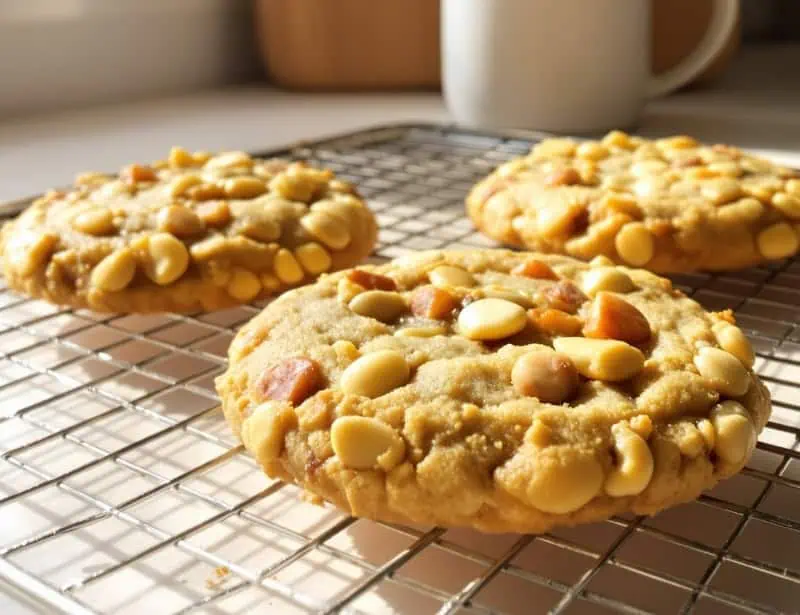
Create signature recipes featuring macadamias as the star ingredient across appetizers, mains, and desserts. Host premium tastings comparing raw, roasted, flavored varieties from different regions and producers.
Launch social media challenges using #MacadamiaNutDay and #September4thNuts to share creative preparations. Partner with local restaurants to develop limited-time macadamia-forward menu items. Special dishes work too.
Organize farm-to-table experiences connecting consumers with sustainable macadamia growers and production stories. Gift artisan macadamia products, including flavored nuts, butters, oils, and confections, to food-loving friends.
Document food photography showcasing macadamias' visual appeal in various cooking applications. Educational workshops teaching proper storage, preparation techniques, and nutritional benefits work well for community groups.
Annual Themes That Drive Participation
Sustainable agriculture messaging resonates strongly with environmentally conscious consumers. Australian macadamia orchards function as carbon sinks, averaging -2.5 tonnes CO2 equivalent per tonne of nuts produced.
According to the World Macadamia Organisation's CEO Jillian Laing, "people want to eat their wellness" through naturally functional foods.
Cooking innovation themes attract professional chefs and home cooks alike. Executive Pastry Chef Daniel Pearce of London's The Savoy describes macadamias as having "beautiful, rich, buttery flavour that once slow roasted becomes even more intense and delicious."
Premium status shows macadamias' luxury position within specialty nut categories. Beyond this, health-focused messaging highlights their exceptionally low glycemic index of 10.
Maximizing Your September 4th Experience
Annual celebration planning transforms a single-day observance into a year-round macadamia appreciation. Mark September 4th for consistent participation while exploring seasonal recipe variations—build connections with local specialty food stores and sustainable producers.
Create shareable content documenting your celebration. Establish personal traditions that reflect your cooking interests and dietary goals.
This supports the growing community celebrating these remarkable Australian native nuts while backing sustainable agriculture practices.
Resources:
FAQs (Frequently Asked Questions)
The University of Queensland now uses AI to pick the best gene markers in macadamia breeding. This cuts testing costs from $50-70 per sample to about $10-12. Processing has also changed. Kenya's Kakuzi PLC built special facilities that cold-press nuts into oil without losing nutrients. Beyond this, farms are adopting water-saving irrigation and soil-friendly practices. These clear connect changes help growers deal with climate shifts while getting better nuts and more of them.
Australian Macadamias notes that Aboriginal people saw these nuts as special treats, not everyday food. They roasted them in fire ashes and carried them on long trips. Tribes traded macadamias and gave them as gifts during meetings. Research from Warndu shows they had practical uses too. The oil made a binder for mixing ochre and clay in body painting, which helped preserve clan symbols. And people applied the oil to skin, sometimes mixing it with plant extracts for different health needs.
Hawaii harvests and processes macadamias year-round. This differs from Australia and South Africa, where farmers collect nuts just once yearly. The University of Hawaii developed better varieties through careful breeding, which set the world standard for quality. Since 2010, the structure of Hawaiian growing has stayed distinctive with over 90% of orchards covering less than 10 acres. This creates a different approach where nuts ripen naturally instead of through industrial methods that focus on speed over quality.
A 2023 study by JL Jones found that eating macadamias regularly lowered cholesterol, with stronger effects in overweight adults during an 8-week test. The Cleveland Clinic adds that these nuts cut heart disease risk through their antioxidants and healthy fats. Today, we're seeing more evidence about other benefits. This suggests macadamias might help manage diabetes and reduce body inflammation. The pattern of results points to these nuts offering pract protect benefits beyond their taste.
Rising temperatures hurt macadamia trees when nuts are forming, according to research from the National Center for Biotechnology Information. The NSW Department of Primary Industries found both quality and quantity drop when heat spikes happen. Studies from the University of Göttingen show that changing rain patterns create two problems for growers. Too little water stresses trees, while too much ruins nut quality. In practice, farms at higher elevations might fare better. Their cooler temps help protect against some weather damage.
Barbara is a former journalist who is passionate about translating important causes into engaging narratives. She combines communication expertise with an environmental science background to create accessible, fact-driven content.
