National Eat a Peach Day: Your Complete Celebration Guide

National Eat a Peach Day hits August 22nd every year. No official organization started this thing—it just grew from people loving summer's best fruit.
Communities keep it alive through social posts, family trips to orchards, and sharing those sticky-sweet moments.
The timing works perfectly. Peak season delivers juicy peaches right when summer heat makes fresh fruit irresistible. California's 2024 production jumped 6 percent to 510,000 tons according to USDA data.
Local orchards overflow with varieties from white-fleshed to deep orange beauties that practically fall into your hands.
This movement spreads naturally. Food lovers post dripping peach photos; wellness folks share nutrition facts. Simple appreciation—shared appreciation crosses every demographic.
Key Info: National Eat a Peach Day
- When is National Eat a Peach Day?
Occurs annually on the 22nd of August - This Year (2026):
Saturday, August 22, 2026 (date has passed) -
Future Dates
- Sunday, August 22, 2027
- Tuesday, August 22, 2028
- Wednesday, August 22, 2029
- Thursday, August 22, 2030
-
Additional Details
- Observed By: Food enthusiasts, culinary professionals, and the general public through social media and cooking activities
- Where Is It Observed: United States
- Primary Theme: Food Appreciation and Culinary Celebration
- Hashtags: #EatAPeachDay #NationalPeachDay #PeachSeason #FreshPeaches #PeachRecipes
Quick Links: National Eat a Peach Day
Why This Peach Celebration Really Connects

Peaches anchor deep American food traditions spanning centuries. Georgia earned the "The Peach State" nickname through extensive cultivation since Spanish conquistadors brought these fruits in the 1500s, though California now dominates production.
Cultural connections run deeper than taste preferences.
August captures nature's perfect moment. As chef Alice Waters puts it, "There's nothing like a perfect peach. I think there's something really special and important about knowing that you can only have a peach for a very brief moment each year."
Farm experts point to optimal eating quality when fruit naturally drops from trees. So, when harvest season brings you a peach, remember its real value—74 calories while providing 7.3% of your daily vitamin C and 14% of your copper needs.
Registered dietitian Annie Cavalier explains that "when you have those fruits and those vegetables that are richer in color, richer in flavor, that usually means that they're actually higher in nutrients as well."
Food communities thrive on these shared seasonal experiences.
Essential Facts About the Day
Annual August 22nd timing coincides with National Peach Month. This grassroots celebration started in the US but expanded globally through social engagement. No central organization controls it—participant enthusiasm drives growth naturally.
Who celebrates? Everyone, from casual fruit lovers to dedicated wellness advocates. Food enthusiasts document experiences online using #NationalEatAPeachDay.
Health-conscious consumers embrace the educational aspect and seasonal awareness it brings.
California contributes approximately 76% of the national peach output—475,000 tons from the total US production of 625,680 tons. Peak quality varies by region, but August delivers consistent excellence across growing zones.
Ways to Celebrate National Eat a Peach Day
Bite into fresh peaches - Select fruit that yields slightly to gentle pressure and releases sweet fragrance near the stem.
Try creative recipes - Transform peaches into cobblers, smoothies, or savory grilled salads that surprise your taste buds.
Share on social media - Post photos using #NationalEatAPeachDay to connect with fellow enthusiasts worldwide; the community loves seeing creative presentations.
Create family traditions - Plan peach-picking trips to local orchards with kids. These memories stick around long after summer ends. Check our Seasonal Produce Guide to grow your own.
Support local farms - Purchase directly from regional growers for peak freshness and community impact.
Sample different varieties - Try white peaches, yellows, clingstone, and freestone options. Each offers distinct flavors worth exploring.
Core Themes That Drive Engagement
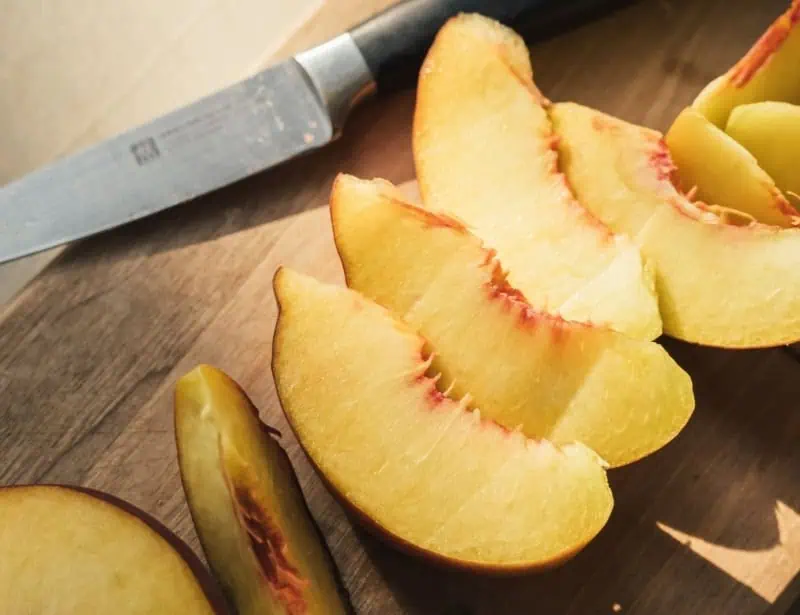
Seasonal eating drives this whole celebration. Fresh produce simply tastes better during natural harvest periods. This connects people to agricultural rhythms often lost in modern life.
Culinary creativity flows naturally from perfect ingredients. Exceptional peaches inspire kitchen experimentation across the country.
Simple fruit transforms into elaborate desserts or elevates everyday meals through natural sweetness.
In practice, community food sharing strengthens social bonds across generations. Families gather around warm peach cobblers—neighbors exchange recipes and surplus fruit.
Food celebrations create shared experiences that matter more than individual consumption.
Farm-to-table awareness grows through direct agricultural connections; supporting local orchards creates economic benefit while ensuring quality and sustainability.
Making Your Peach Day Memorable
Recipe exploration opens endless possibilities beyond traditional preparations. Search specialized food blogs for heritage techniques and innovative combinations—local cooking classes often feature seasonal fruit during peak harvest.
This suggests that direct sourcing strategies maximize both flavor and community benefit. Visit farmers' markets early for the best selection.
Build relationships with orchard owners for advance notice about exceptional varieties and harvest timing.
Food photography captures celebration moments when you use natural lighting to enhance rich peach colors. Simple compositions showcasing natural textures work better than elaborate arrangements.
And planning sustainable annual traditions extends real benefits beyond single celebrations.
Mark calendars for consistent participation—organize community events or workplace wellness initiatives to amplify grassroots growth.
Resources:
FAQs (Frequently Asked Questions)
Fresh peaches stay good about 3-5 days on your counter when ripe. Refrigerate them and you'll get up to 2 weeks. When storing, keep unripe peaches at room temp until they give slightly when pressed. Once they're ready, move them to the fridge in a plastic bag with a few holes punched in it. Don't stack these delicate fruits on top of each other—bruises happen fast. This relates to their thin skins. And keep peaches away from apples, which release gases that speed up ripening.
Freestone peaches let you pull the pit out clean—the flesh breaks away easily. They show up mid-to-late summer, typically July through September. These are your best bet for eating fresh or making preserves. Clingstones hit markets earlier, around May to June. The flesh sticks tight to the pit, making them messier to eat fresh but perfect for commercial canning. Since 2018, growers have noticed clingstones bring a more intense sweetness that holds up well during processing.
Yes, peaches freeze well for up to 6 months. The process isn't complicated but requires a few steps. Blanch ripe peaches in boiling water for 30 seconds, then plunge them into ice water. The skins slip right off. Slice them up and sprinkle with a bit of lemon juice—this prevents browning. Freeze the slices on a tray first, then bag them once solid. 85% of home freezers run too warm, so store peaches toward the back where temperatures stay most consistent.
Yellow peaches pack more carotenoids and phenolic compounds than white varieties, according to Petruccelli's 2023 study. This suggests clear differences in their health effects. White peaches actually show higher antioxidant activity despite their paler color. They also contain less acid, which explains their sweeter, more floral taste. Both types share similar sugar makeup—sucrose forms about 77-78% of their total sugars. White peaches often cost 15-20% more at markets due to their shorter growing season and perceived premium status.
Barbara is a former journalist who is passionate about translating important causes into engaging narratives. She combines communication expertise with an environmental science background to create accessible, fact-driven content.