National Cousins Day: Celebrating Our Family Friends

Cousins become first friends. They share childhood adventures without sibling rivalry complications. National Cousins Day celebrates these bonds every July 24th.
Nobody knows who started this holiday. No founder stepped forward to claim credit. Social media just amplified what families already understood—cousins matter.
Cousin connections sit between nuclear family closeness and extended family networks. Your cousin kept your secrets at family gatherings. They rolled their eyes at the same relatives you did. Adult cousins? They remember when you wanted to be a dinosaur scientist.
Extended families scatter these days. Distance separates everyone. This makes cousin bonds more valuable than ever. What makes these relationships feel different from regular friendships anyway? First cousins share roughly 12.5% of their DNA. This creates weird similarities in taste, talents, and random preferences.
Key Info: National Cousins Day
- When is National Cousins Day?
Occurs annually on the 24th of July - This Year (2026):
Friday, July 24, 2026 (date has passed) -
Future Dates
- Saturday, July 24, 2027
- Monday, July 24, 2028
- Tuesday, July 24, 2029
- Wednesday, July 24, 2030
-
Additional Details
- Observed By: Families and individuals celebrating cousin relationships, primarily through social media and gatherings
- Where Is It Observed: United States
- Primary Theme: Family Relationships
- Hashtags: #NationalCousinsDay #CousinsDay #FamilyLove #CousinLove #FamilyBonds
Quick Links: National Cousins Day
The Mystery Behind the Holiday
National Cousins Day has zero official recognition. No presidential proclamation exists. The National Day Calendar shows no founding documentation.
This mystery actually makes it better. Who decided July 24th was the day?
Family historians find no paper trail—nothing. The lack of corporate sponsors suggests families created this need themselves.
Grassroots holidays emerge from shared recognition rather than marketing campaigns. #NationalCousinsDay spread organically across social platforms. TikTok and Instagram posts show natural celebration patterns everywhere.
The unknown origins mean families own it. We celebrate because we want to, not because someone told us to. And that makes it real.
Why These Bonds Matter Now
Modern families make cousin relationships uniquely important. Distance separates nuclear families across continents. Smaller family sizes mean fewer siblings.
Cousins offer continuity when everything else shifts. Families relocate constantly for careers. Parents move during kids' formative years. Cousins that are most likely around the same age represent stable connections across multiple transitions; they get your family culture without explanations.
Evolutionary psychology research reveals altruism among cousins. It reports a greater willingness to help mother's sister's (MoSis) children than other cousins[1]. Another study concluded that we are more altruistic towards family members than friends[2].
Beyond this, extended family creates chosen family within blood connections. This suggests something powerful about genetic bonds mixed with childhood memories.
Your Celebration Guide
Transform July 24th into a meaningful connection:
DNA detective projects - Compare genetic test results to find shared traits, then map family characteristics, highlighting inherited quirks.
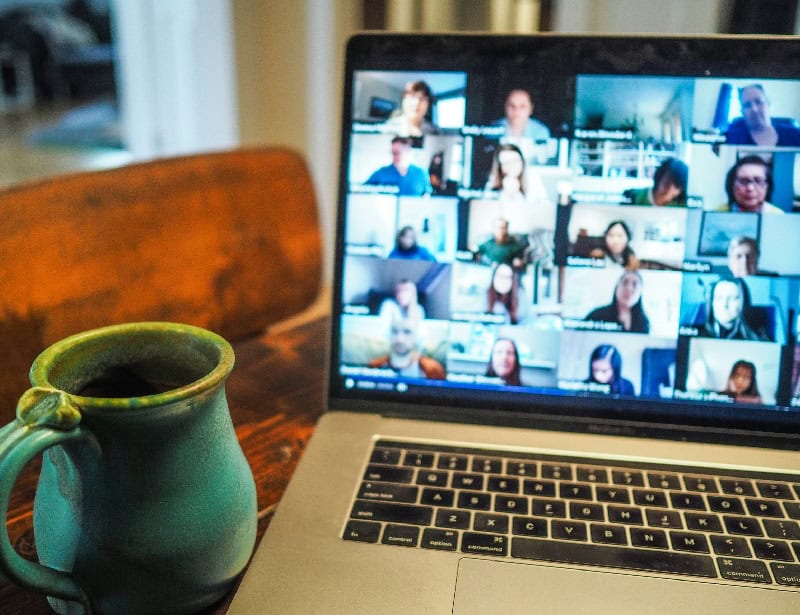
Virtual home tours - Take distant cousins through video calls to childhood places while recreating old photos together.
Recipe challenges - Everyone makes the same family dish, then judges variations while sharing cooking memories.
Memory podcasts - Record conversations between cousin pairs about family legends; create audio archives for future generations.
Time zone parties - Schedule rolling celebrations across locations, with each cousin group hosting their zone's festivities.
Detective work - Partner with cousins researching mysterious relatives or family stories through dedicated group chats.
These activities build lasting connections beyond single-day acknowledgment. Focus on ways to stay connected through creative engagement.
Making Every Day Count
Annual celebrations work with consistent maintenance. Digital tools enable regular contact across distances. Schedule monthly check-ins through messaging and video calls.
Intentional relationship investment pays off. Cousins often pursue similar careers due to shared genetics and upbringing. Professional networking among cousins creates mutual help systems.
Create cousin group chats for milestone sharing. Regular contact strengthens bonds between annual celebrations. Shared interests develop through collaborative projects and hobby exploration.
Start Planning Now
July 24th offers yearly chances to reconnect. So reach out to cousins this week. Simple messages start celebration planning regardless of family size or distance.
Contact distant cousins through social media or family networks. Many wait for someone else to make the first move—don't wait. Your outreach creates momentum for entire extended families.
But here's the thing. National Cousins Day participation really starts with relationship investment decisions. These connections provide lifelong friendship foundations.
In two days, there is another bond that you can nurture. Spend time with your cousins' parents on Aunt and Uncle's Day.
Resources:
FAQs (Frequently Asked Questions)
First cousins share grandparents. Second cousins share great-grandparents. When generations don't match up, we use that "removed" term. Your first cousin's child? That's your first cousin once removed. The math works simply: your common ancestor tells you the degree (first/second), then count the generation gap for the "removed" part. Why do we track this at all? Family historians find these distinctions help map relationships accurately across time.
Cultures across the globe see cousin relationships through wildly different lenses. The Selk'nam people of South America historically found cousin marriage repulsive. Meanwhile, the Komachi of Iran actively push for it. Yale's Human Relations Area Files documents these stark differences. Japan allows cousin marriage but fewer people choose it nowadays. China takes a firm stance against it for genetic reasons. The data shows these practices aren't just personal choices—they reflect deep cultural values about family structure and genetic health.
Most "National Days" aren't what people think. Congress establishes federal holidays, but groups like National Day Calendar handle many other celebrations through registration. National Cousins Day grew from grassroots enthusiasm rather than government action. This matches dozens of other popular days we celebrate. When enough people recognize and celebrate something, it gains cultural momentum even without an official stamp. The distinction matters for understanding these modern mini-holidays.
Science points to real psychological benefits in cousin bonds. A PMC study on kinship found these relationships often foster greater altruism and emotional connection. Beyond this, the European Journal of Public Health notes that marriages between cousins sometimes lead to better marital stability and emotional resilience. The research suggests these benefits stem from shared family history and understanding. This contradicts some common assumptions about cousin relationships focusing only on potential genetic risks.
Social media lets cousins share life updates instantly across any distance. Family dynamics research shows this helps maintain connections that might otherwise fade. But Orange's Hello Future analysis reveals a trade-off: more frequent but shallower interactions, with fewer meaningful in-person gatherings. Since 2010, we've seen family events increasingly documented online but sometimes less fully experienced in the moment. The key seems to be using digital tools to enhance rather than replace face-to-face cousin time.
Sources & References
- [1]
- Jeon, J., & Buss, D. M. (2007). Altruism towards cousins. Proceedings of the Royal Society B: Biological Sciences, 274(1614), 1181–1187.
↩ - [2]
- Curry, O., Roberts, S. G. B., & Dunbar, R. I. M. (2012). Altruism in social networks: Evidence for a “kinship premium.” British Journal of Psychology, 104(2), 283–295.
↩
Barbara is a former journalist who is passionate about translating important causes into engaging narratives. She combines communication expertise with an environmental science background to create accessible, fact-driven content.