National Compliment Day: History & Ways To Celebrate

We seriously underestimate how much our praise affects others. National Compliment Day arrives January 24th each year to bridge that gap.
Kathy Chamberlin from Hopkinton, New Hampshire, and Debby Hoffman from Concord, New Hampshire, created National Compliment Day in 1998. They picked January 24th on purpose, right when "many Americans claim to confront the height of their seasonal depression."
The founders wanted to "promote positive feedback among friends, couples, co-workers, and strangers." Some sources credit Pam Herbold instead; this founding mix-up still shows up in awareness day records.
This is separate from World Compliment Day on March 1st. Different founders, different reasons entirely.
Key Info: National Compliment Day
- When is National Compliment Day?
Occurs annually on the 24th of January - This Year (2026):
Saturday, January 24, 2026 (date has passed) -
Future Dates
- Sunday, January 24, 2027
- Monday, January 24, 2028
- Wednesday, January 24, 2029
- Thursday, January 24, 2030
-
Additional Details
- Observed By: Individuals, communities, and organizations promoting workplace positivity
- Where Is It Observed: United States
- Primary Theme: Positivity and Kindness
- Hashtags: #NationalComplimentDay #ComplimentDay #SpreadKindness #Positivity #KindWords #AppreciationDay
Quick Links: National Compliment Day
Why National Compliment Day Matters for Relationships
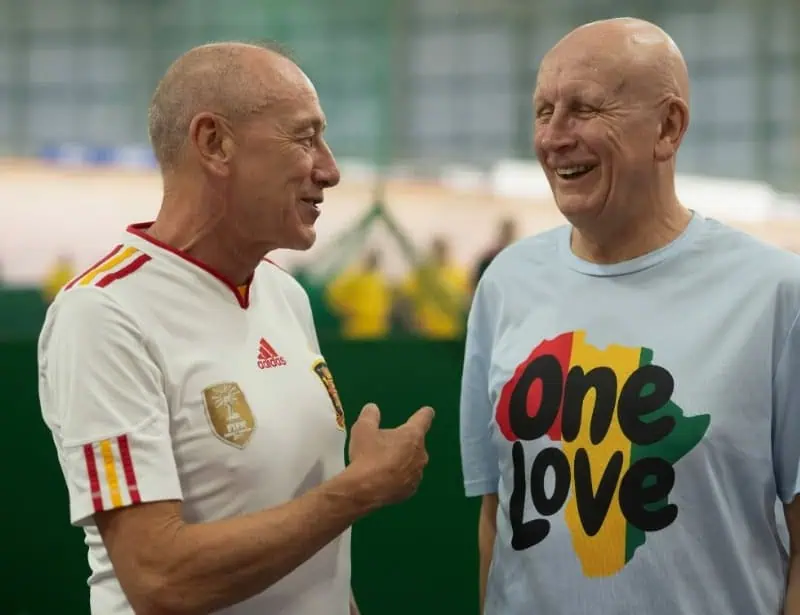
Research shows something pretty wild about how we think. According to studies by Boothby and Bohns, we underestimate how positively the person receiving the compliment would feel while overestimating their discomfort[1].
Our worry about giving praise creates missed connections. Why do we hold back when the effect is so positive?
Brain science explains why compliments pack such a punch. Receiving genuine recognition fires up the same reward pathways as money. The brain dumps dopamine, serotonin, and oxytocin—basically nature's happy cocktail.
This plays out everywhere. Gallup research shows "only one in three workers in the U.S. strongly agree that they received recognition or praise for doing good work in the past seven days."
But workplace relationships get stronger through intentional appreciation. Family dynamics improve when gratitude flows more freely.
What makes this day work? It turns awareness into actual positive communication habits.
Timeline
Founded by Kathy Chamberlin (Hopkinton, NH) and Debby Hoffman (Concord, NH)
Grassroots adoption in workplace wellness programs
Social media expansion with hashtag campaigns
Integration into corporate kindness initiatives and HR policies
How to Celebrate National Compliment Day Effectively
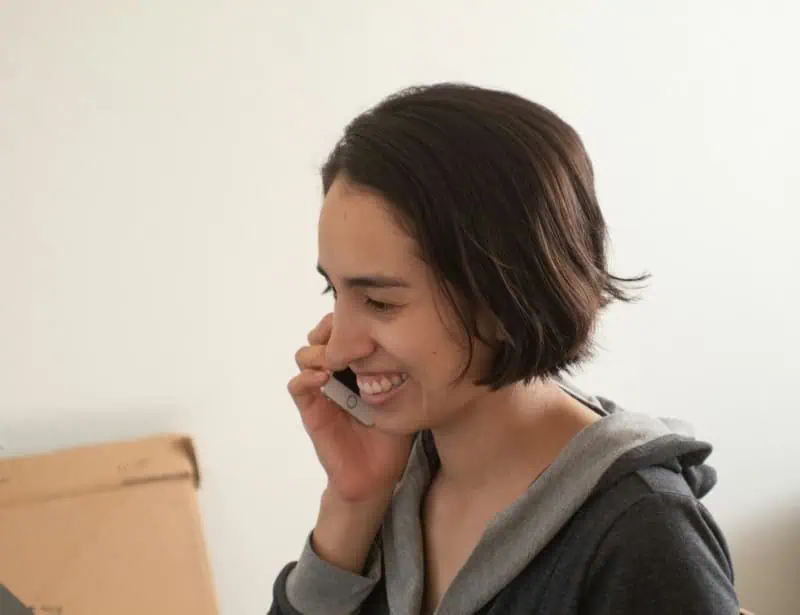
Workplace Recognition
Start meetings with peer appreciation moments. Use specific, skill-focused praise: "Your data visualization made complex trends instantly clear."
Document achievements for performance reviews. Email colleagues about project contributions.
Thank support staff where others can hear. Recognize creative problem-solving during team discussions.
Family Celebrations
Focus on character traits and daily efforts instead of just accomplishments. Try: "Your patience during homework time shows real care."
Write appreciation notes for lunch boxes. Share what makes each person special during dinner conversations.
Create compliment jars where family members add gratitude notes year-round.
Digital Participation
Post specific appreciation for friends' accomplishments. Share detailed reasons you value relationships. People remember this stuff.
Tag community helpers in recognition posts. Send direct messages highlighting positive qualities you've noticed.
Leave reviews that mention exceptional service by name.
Community Connection
Thank service workers with specific appreciation. Compliment strangers when you witness kindness.
Recognize volunteers' contributions publicly. Show appreciation to teachers, healthcare workers, and essential personnel with detailed gratitude.
Making Compliments Count Beyond January 24th
Good compliments need specifics and timing. Generic "good job" barely registers compared to detailed recognition. Focus on actions, effort, and character growth instead of appearance alone.
Process praise builds resilience better than person praise. Saying "Your persistence through that challenge developed real problem-solving skills" encourages growth thinking. Recipients learn to view difficulties as development opportunities.
In practice, this connects to something bigger than one awareness day. Daily recognition becomes a natural habit through consistent practice. Quality beats quantity every time.
Resources:
FAQs (Frequently Asked Questions)
Skip the appearance stuff, especially at work. Comments about clothes, looks, or body features make people squirm. Focus on what they do well instead. Their project management skills. How they handled that difficult client. Watch out for backhanded ones too - "You're so articulate" carries baggage. Beyond this, cultural context matters. What feels right in your team might land wrong somewhere else.
Write it down. Emails work perfectly. So do sticky notes or quick messages through work platforms. You don't need to announce anything publicly - one-on-one recognition hits harder anyway. Small groups feel safer than big meetings. Digital counts fully here. This relates to impact over volume. Quiet, specific praise often beats loud, general statements.
Recognition translates across cultures, but methods vary widely. Some cultures prefer private acknowledgment over public praise. Others value group recognition. In practice, focus on work contributions rather than personal traits. Let team members guide the approach - ask what type of recognition they value. Since 2020, remote work has shifted these dynamics too. Digital recognition often works better for international teams.
Back off without taking it personally. Some people struggle with praise due to past experiences or cultural background. Don't repeat the compliment right away. Show appreciation through actions instead - support their ideas in meetings, reference their good work to others. Written recognition works better for some personalities. This suggests focusing on making them feel valued, not forcing comfort with direct praise.
Watch for immediate signs. More eye contact. Increased participation in meetings. People engaging more with projects. In practice, positive behavior spreads - team members start recognizing each other more. Ask directly: "Was that feedback helpful?" Long-term indicators include stronger relationships and more open dialogue. Document what compliment styles work best with different people for next year.
Sources & References
- [1]
- Boothby, E. J., & Bohns, V. K. (2021). Why a simple act of kindness is not as simple as it seems: Underestimating the positive impact of our compliments on others. Personality and Social Psychology Bulletin. 47(5)
↩
Barbara is a former journalist who is passionate about translating important causes into engaging narratives. She combines communication expertise with an environmental science background to create accessible, fact-driven content.