
National Brothers And Sisters Day: Celebrate Sibling Bonds

National Brothers and Sisters Day happens on May 2. This celebration honors sibling bonds across biological, step, and half-sibling relationships. Claudia Evart founded this observance in 1995. The date differs from National Siblings Day, which is on April 10.
Most families benefit from recognizing these lasting connections. Siblings represent our longest relationships in life, according to Susan McHale, PhD, a professor of human development and family studies. These bonds often outlast marriages and parent-child relationships.
This day creates space for acknowledgment and reconnection, even when relationships feel strained.
Key Info: National Brothers and Sisters Day
- When is National Brothers and Sisters Day?
Occurs annually on the 2nd of May - This Year (2026):
Saturday, May 2, 2026 (date has passed) -
Future Dates
- Sunday, May 2, 2027
- Tuesday, May 2, 2028
- Wednesday, May 2, 2029
- Thursday, May 2, 2030
-
Additional Details
- Observed By: Families and siblings across the United States, with particular focus on celebrating sibling relationships
- Where Is It Observed: United States
- Primary Theme: Sibling Relationships and Family Bonds
- Hashtags: #NationalBrothersAndSistersDay #SiblingLove #SiblingDay #FamilyBonds #SiblingCelebration
Quick Links: National Brothers and Sisters Day
What is National Brothers and Sisters Day
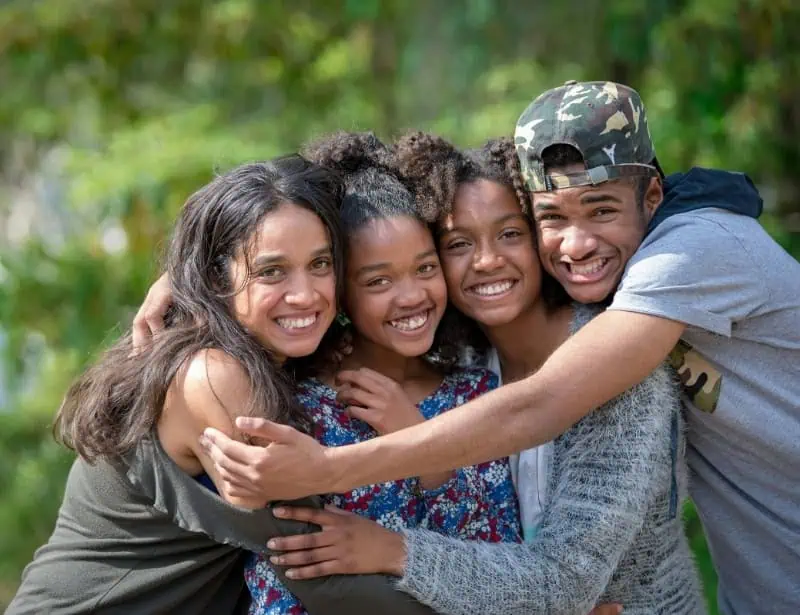
National Brothers and Sisters Day lacks federal recognition. Several states issue annual proclamations supporting the observance.
The Siblings Day Foundation advocates for broader awareness, though their efforts face funding challenges.
This unofficial holiday is observed primarily within the United States. European countries observe Brothers and Sisters Day on May 31. The purpose centers on strengthening sibling connections regardless of relationship complexity.
Recently, growing social media participation has increased annual awareness each year. Community celebrations emerge through local family organizations and support groups.
Why National Brothers and Sisters Day Matters
Sibling relationships shape our social development from early childhood. Census data shows 78 percent of American children live with at least one sibling, making these connections nearly universal experiences.
These bonds often outlast marriages and parent-child relationships throughout our lifetimes, sometimes by decades.
When we're young, siblings provide unique opportunities for conflict resolution and perspective-taking skills. Dr. Susan McHale from Penn State University notes that "sibling relationship quality fluctuates across the lifespan, but the structure of the bond remains intact."
The relationships adapt as individuals navigate cohabitation, marriage, separation, and parenthood. Adult siblings serve as emotional anchors during important life transitions.
What role do your siblings play in your support system today?
How to Celebrate National Brothers and Sisters Day

Simple acknowledgments take five minutes and build real connection:
- Send a text message sharing a favorite memory or expressing appreciation
- Post on social media using #NationalBrothersAndSistersDay with a throwback photo
- Leave a brief voicemail if calling feels too formal
Beyond this, deeper connections require thirty minutes but create lasting bonds:
- Schedule a video chat to catch up on recent life changes
- Write a handwritten note mentioning specific qualities you admire
- Share old photos digitally from family events or childhood moments
Half-day celebrations build lasting memories:
- Plan a shared meal either in person or virtually while eating the same dish
- Organize online game sessions using apps that connect distant siblings—even competitive ones work
- Create collaborative playlists featuring songs that remind you of each other
Full-day activities bring important celebration results:
- Arrange family visits when geography and schedules permit
- Plan outdoor activities like hiking, park visits, or sports games
- Coordinate sibling photo shoots for updated family pictures
Distance shouldn't prevent participation. Virtual celebrations work equally well for maintaining connection across miles and busy schedules.
National Brothers and Sisters Day Compared to Other Sibling Observances
Multiple sibling celebrations exist throughout the year. National Siblings Day falls on April 10 in the United States and Canada; Brothers and Sisters Day occurs May 31 across European countries.
May 2 specifically points to the "brothers and sisters" family unit rather than general sibling dynamics. This framing recognizes traditional family language while embracing blended families.
Dr. Laurie Kramer from Northeastern University points to this reality: "there is amazing potential in sibling relationships, as they are the most enduring relationship in humanity."
In practice, these observances complement rather than compete with each other. Marking May 2 specifically helps create clear awareness for this particular celebration.
Taking Action
Mark May 2 on your calendar for National Brothers and Sisters Day. Start with simple acknowledgments regardless of current relationship status or geographic distance.
But remember, your siblings shaped who you became and remain part of your story, even when that story gets complicated.
Celebrate other family connections by joining Aunt and Uncle's Day and National Cousins Day.
Resources:
FAQs (Frequently Asked Questions)
Two different people created these days. Claudia Evart started May 2 back in 1995. She wanted to use "brothers and sisters" language. But there's also April 10 - that's National Siblings Day from a different founder. The April date honors siblings who died young. May 2 focuses on living relationships. It works better for blended families since "brothers and sisters" feels more natural than "siblings" to many people. Both days exist, different purposes.
Make it personal. Generic messages feel empty. Try something like "Happy Brothers and Sisters Day! Remember when we built that fort?" or "Thinking of you today - you always had my back during high school." Long-distance relationships? Keep it simple: "Hope you're well on Brothers and Sisters Day." The key thing is mentioning something real. A shared memory works. A specific quality you appreciate works too. What doesn't work is copy-paste greetings everyone sends.
No federal recognition exists. National Siblings Day (April 10) comes closest - 49 governors issued proclamations and three presidents (Clinton, Bush, Obama) signed support messages. But it's not a federal holiday. Europe has Brothers and Sisters Day on May 31 through their Large Families group. Portugal gave formal recognition, though most European countries haven't made it official. These days matter to families even without government stamps.
Absolutely. Claudia Evart designed it that way in 1995. She wanted all sibling bonds included - biological, step, half, adoptive, chosen family. The "brothers and sisters" wording was intentional. Many blended families prefer this over "siblings" language. Research backs this up too. Step-sibling relationships often become lifelong bonds when families recognize and support them. Blood doesn't determine brotherhood.
Dates vary by region. US and Canada stick with April 10. European countries like Austria, Germany, and Portugal celebrate May 31 under their Large Families group. India takes a completely different approach with Raksha Bandhan - that's a traditional Hindu festival honoring sibling bonds. Nepal has similar celebrations. Each culture adapts the concept to fit their traditions. Same idea, different expressions.
Barbara is a former journalist who is passionate about translating important causes into engaging narratives. She combines communication expertise with an environmental science background to create accessible, fact-driven content.
