
National Acorn Squash Day: Benefits, Recipes & Cooking Tips

National Acorn Squash Day hits September 7th each year. This grassroots food holiday celebrates our most nutritious winter vegetable right during peak harvest. Local culinary movements sparked this whole thing, and communities saw how harvest timing creates perfect celebration opportunities.
The movement connects seasonal eating with support for farms. Growers depend on September buzz during crucial harvest periods; acorn squash reaches peak nutritional density now.
Key Info: National Acorn Squash Day
- When is National Acorn Squash Day?
Occurs annually on the 7th of September - This Year (2026):
Monday, September 7, 2026 (date has passed) -
Future Dates
- Tuesday, September 7, 2027
- Thursday, September 7, 2028
- Friday, September 7, 2029
- Saturday, September 7, 2030
-
Additional Details
- Observed By: Food enthusiasts, culinary professionals, farmers markets, and home gardeners across the United States
- Where Is It Observed: United States
- Primary Theme: Food And Agriculture Appreciation
- Hashtags: #NationalAcornSquashDay #AcornSquash #WinterSquash #SeasonalProduce #FarmToTable
Quick Links: National Acorn Squash Day
Why This Humble Squash Deserves Its Day
Archaeological evidence shows 10,000 years of squash cultivation in the Americas. Native communities mastered Three Sisters agriculture around 1070 CE, and the Phillips Spring site yielded domesticated squash seeds dating 5,025 years before present.
One cup delivers 115 calories plus 896 milligrams of potassium. What's more impressive? Registered dietitian Samantha Linden confirms acorn squash provides "25% of your recommended daily intake of vitamin A and 25% of your recommended daily intake of vitamin C" per serving.
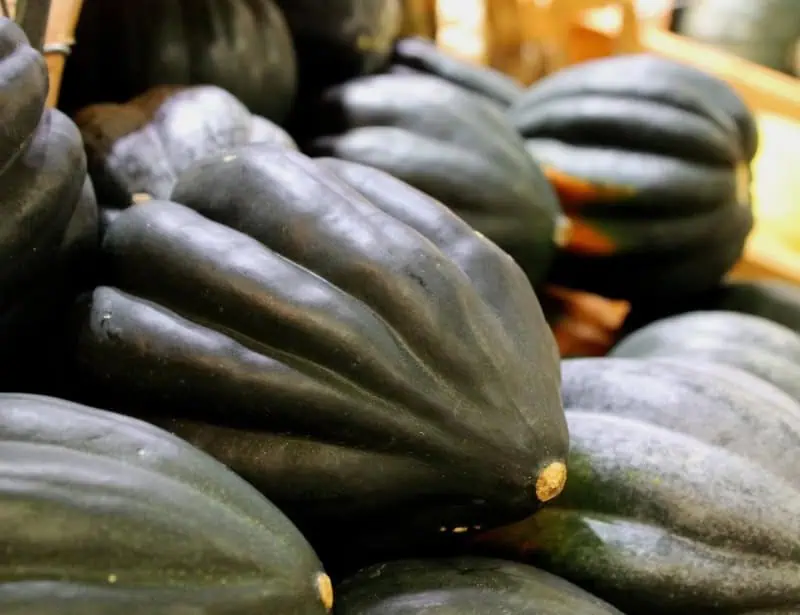
Acorn squash stands out with its distinctive ridged, acorn-shaped exterior and sweet, mildly nutty flesh. Its versatility makes it equally appealing in savory dishes and sweet preparations, from roasted side dishes to stuffed entrees.
With its unique appearance, seasonal appeal, and nutritional value, acorn squash deserves recognition as more than just another winter vegetable.
Your Complete Celebration Toolkit

- Start simple with basic roasting. Cut squash halves, then bake 25-30 minutes at 400°F until fork-tender.
- Visit farmers' markets for direct grower connections and variety selection guidance.
- Share prep photos using #NationalAcornSquashDay across social platforms.
- Advanced celebrants master stuffing approaches. Fill roasted halves with grains, proteins, and other seasonal vegetables for complete meals.
- Host neighborhood cooking sessions, building community skills and recipe exchanges.
- Challenge yourself with soups, purees, or fermentation projects requiring specialized know-how.
- Purchase bulk quantities directly from producers for preservation projects.
- Create educational content sharing nutritional benefits and cultural significance with broader networks.
- Organize group farm visits during peak harvest periods.
Join the Growing Community
Community participation creates meaning beyond individual celebration. Your discoveries inspire others toward seasonal choices.
Local engagement generates lasting impact through market visits, grower relationships, and community events. Extend celebration into autumn-long seasonal practices supporting personal health and farm communities.
The broader food awareness movement depends on individual actions. Collective participation transforms how communities value nutritious, locally-grown produce throughout harvest seasons.
For related events, also join Spinach Day and National Sneak Some Zucchini Onto Your Neighbor's Porch Day.
Resources:
FAQs (Frequently Asked Questions)
Research from Frontiers in Horticulture shows you should store acorn squash at 50-55°F with 50-75% humidity. This keeps its antioxidants and carotenoids at their best levels. The squash stays good for 5-8 weeks this way. When farmers at Oregon State tested different methods, they found something interesting - unlike other winter squashes, acorn squash shouldn't be cured. Curing actually makes both the nutrition and texture worse. The sweet spot of 50-55°F gives you the longest shelf life while protecting those good nutrients.
Look for a deep green to black color with a yellow or orange spot where it touched the ground. The skin should look dull rather than shiny. When you press your fingernail against it, the rind should be hard enough to resist puncture. A ripe acorn squash feels surprisingly heavy for its size, and the stem turns tan and corky. Skip any squash with soft spots or orange patches showing up anywhere except that ground spot. These signs point to the perfect harvest time.
Studies by Wyatt and his team found that 'Sweet REBA' stands out from other acorn squash varieties. This type has more β-carotene, higher sugar content (over 9% soluble solids), and denser starch compared to others they tested. Their research suggests Sweet REBA gives you the best mix of antioxidants and energy-providing compounds. Beyond this, it also scored well for flavor in most taste tests, making it a clear winner for both nutrition and eating quality.
Acorn squash grows well in USDA zones 3-8 where it can get full sun. Plant in soil that drains well with a pH between 5.5 and 7.0. Wait until soil warms to about 70°F before planting. Your plants need exactly 80-100 days without frost and steady moisture until the fruits develop. Today's weather patterns can affect growing seasons, so watch local conditions closely. Make sure you harvest before the first frost hits. This practical protection ensures you'll get squash that creates a clear connection between proper growing and long-term storage.
Barbara is a former journalist who is passionate about translating important causes into engaging narratives. She combines communication expertise with an environmental science background to create accessible, fact-driven content.
