
Mesothelioma Awareness Day: Unite Against Asbestos Cancer

Mesothelioma Awareness Day arrives September 26th each year. The Mesothelioma Applied Research Foundation established this day in 2004. Congress granted federal recognition in 2010 through House Resolution 771—Representative Betty McCollum introduced it with bipartisan support. This rare cancer affects fewer than 3,000 Americans annually; asbestos exposure causes mesothelioma decades after initial contact.
The disease attacks protective linings around the lungs, abdomen, heart, or testicles. Workers handling asbestos face the highest risk from occupational exposure. Even brief asbestos contact lasting one month can trigger mesothelioma 10 to 50 years later. That's a sobering timeline for prevention efforts.
Key Info: Mesothelioma Awareness Day
- When is Mesothelioma Awareness Day?
Occurs annually on the 26th of September - This Year (2026):
Saturday, September 26, 2026 (date has passed) - Official Website: Mesothelioma Applied Research Foundation
-
Future Dates
- Sunday, September 26, 2027
- Tuesday, September 26, 2028
- Wednesday, September 26, 2029
- Thursday, September 26, 2030
-
Additional Details
- Observed By: Medical professionals, patients, families, advocacy groups, and research organizations across the United States
- Where Is It Observed: United States
- Primary Theme: Mesothelioma Research and Awareness
- Hashtags: #MesoAwarenessDay #EndMeso #CureMeso #MesoAwareness #MesotheliomaCancer
Quick Links: Mesothelioma Awareness Day
Why This Day Exists and Why It Matters
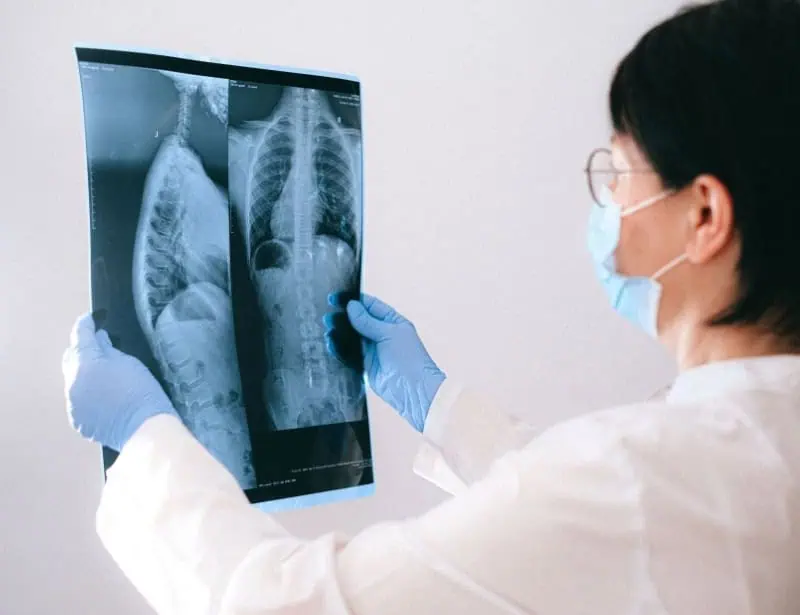
Mesothelioma Awareness Day fills a gap in rare cancer advocacy. This stands as the only federally recognized day dedicated specifically to mesothelioma. The day focuses on three key missions.
Research funding receives increased attention from medical communities and government agencies. Public education about asbestos dangers reaches broader audiences. Patient support networks expand through awareness efforts.
Congressional declaration emphasizes that millions of American workers continue facing asbestos exposure. More than 3,000 products containing asbestos remain available in US markets. Buildings constructed before 1975 likely contain asbestos materials. Federal recognition amplifies voices calling for complete asbestos bans and increased research investment.
Facts and Current Progress
Statistics from CDC analysis reveal the scope of this health crisis. Between 1999 and 2015, mesothelioma claimed 45,221 American lives. Annual deaths increased from 2,479 to 2,597 during this period.
Males account for nearly 80% of cases. Geographic patterns show the highest death rates in Maine, West Virginia, and Pennsylvania.
Treatment advances offer real hope for patients. The CheckMate 743 trial demonstrated strong results for dual immunotherapy. Patients receiving nivolumab plus ipilimumab achieved a median survival of 18.1 months versus 14.1 months with standard chemotherapy.
Three-year survival rates reached 23% with immunotherapy compared to 15% with traditional treatment. Research funding makes these advances possible.
The Mesothelioma Applied Research Foundation has awarded over $12 million to global research programs since 2000. That investment points to general progress in treatment options.
Timeline
Mesothelioma Applied Research Foundation establishes Mesothelioma Awareness Day
Receives federal recognition through Congressional declaration
#MesotheliomaAwarenessDay hashtag campaigns expand global digital reach
Virtual events maintain community during pandemic
How to Participate in Mesothelioma Awareness Day

Individual participation creates powerful collective change. Here are specific ways to join the movement:
- Wear blue clothing or accessories to symbolize hope
- Share #MesotheliomaAwarenessDay content across social platforms
- Display awareness ribbons in workplaces or community spaces
- Educate others about asbestos exposure risks
- Support research through foundation donations
Organizations can amplify awareness in practical ways:
- Healthcare facilities host educational seminars for staff and patients
- Legal professionals offer free asbestos exposure consultations
- Community groups organize fundraising events or memorial services
- Employers recognize the day through internal communications
- Educational institutions include asbestos safety in curriculum planning
The Light the World Blue campaign encourages landmark illumination. Over 70 facilities nationwide participate annually. Miles for Meso events combine fitness with fundraising. But what about workplace participation? Virtual participation options ensure global accessibility regardless of location.
Core Messages That Drive the Movement
Four central themes unite participants across communities and professions. Prevention through education remains the strongest weapon against future cases. Asbestos awareness saves lives when shared with construction workers, renovation crews, and maintenance staff.
Research advancement offers new hope for improved treatments and eventual cures. Family support acknowledges the major impact on loved ones throughout diagnosis and treatment journeys.
Survivor advocacy demonstrates resilience while inspiring continued research funding efforts. Legislative action targeting complete asbestos bans addresses root causes rather than symptoms alone. Early detection importance cannot be overstated, given improved treatment outcomes with newer immunotherapy options.
This suggests ongoing work to end preventable suffering.
Beyond September 26th—Sustaining the Mission
Recently, year-round engagement extends awareness day effects through multiple channels. The Mesothelioma Applied Research Foundation operates patient resource programs connecting families with treatment centers.
Ongoing donation opportunities support continuous research funding for new therapies. Legislative advocacy efforts target asbestos regulation improvements at state and federal levels.
Community building connects patients, families, and advocates across geographic boundaries. Support groups and online forums provide clear connections for those affected. Healthcare professionals access updated treatment protocols and research findings.
Raise awareness of other types of cancer by joining International HPV Awareness Day and National Colorectal Cancer Awareness Month.
Resources:
FAQs (Frequently Asked Questions)
Doctors can spot mesothelioma much better now than in 2004. Blood tests using the SOMAscan system can find this cancer with 94% accuracy by looking at 13 different proteins. This beats the old way of taking tissue samples. Medical journals show that doctors also use marker combinations like calretinin and WT-1 that work nearly every time for certain types. The progress points to how awareness efforts connect to better testing options. Beyond this, liquid biopsies now let physicians detect tumor DNA with just a blood draw, making early diagnosis more practical for patients with suspected exposure.
We don't have enough solid evidence about how Mesothelioma Awareness Day has shaped global research teamwork. The Mesothelioma Applied Research Foundation started this day in 2004, and it's helped with funding and getting more people into clinical trials. But the actual worldwide research partnerships? That needs more study. Reports suggest modest gains in connecting researchers across borders, though exact numbers remain unclear. Since 2010, awareness events have likely contributed to some cross-border projects, but we'd need access to detailed research papers to confirm this effect on international scientific work.
No one's properly compared online versus in-person mesothelioma awareness campaigns yet. Traditional fundraising walks have brought in millions for research according to advocacy groups. The Mesothelioma Center reaches more than half of newly diagnosed patients each year through its websites with 57% engagement rates reported in 2022. This suggests both approaches work for different goals. In practice, small advocacy groups often mix methods—using social media to promote local events while keeping costs down. Patient feedback indicates personal stories spread better online, while face-to-face events create stronger community bonds and clear connection. Research on which method drives more action or donations simply doesn't exist.
Fire fighters' unions keep pushing for the Alan Reinstein Ban Asbestos Now Act, working alongside advocacy groups that organize around Awareness Day. The safety improvements aren't clearly tied to these awareness efforts in any research. Local health departments note that advocacy focuses on stricter rules for workplace protection, but progress moves slowly. Asbestos still enters the US for certain uses despite decades of known risks. Some job sites added better monitoring after awareness campaigns, though these changes weren't necessarily caused by the awareness day itself. Today's safety protocols in high-risk industries reflect gradual shifts rather than dramatic responses to any single awareness initiative. And despite 19 years of advocacy, comprehensive federal bans remain elusive.
Barbara is a former journalist who is passionate about translating important causes into engaging narratives. She combines communication expertise with an environmental science background to create accessible, fact-driven content.
