
Menstrual Hygiene Day: Global Action for Period Dignity

Menstrual Hygiene Day happens globally on May 28 each year. The date reflects the average 28-day menstrual cycle and typical 5-day period length. Across continents, millions join activities that build momentum. This grassroots effort shapes a world where periods don't limit dignity or opportunity.
Based in Berlin, WASH United started this observance in 2014 alongside 155 partners. Today, they coordinate work that connects over 1,150 organizations worldwide. Their straightforward mission guides everything: "Together for a #PeriodFriendlyWorld."
Key Info: Menstrual Hygiene Day
- When is Menstrual Hygiene Day?
Occurs annually on the 28th of May - This Year (2026):
Thursday, May 28, 2026 (date has passed) - Official Website: MH Day
-
Future Dates
- Friday, May 28, 2027
- Sunday, May 28, 2028
- Monday, May 28, 2029
- Tuesday, May 28, 2030
-
Additional Details
- Observed By: NGOs, advocacy groups, educational institutions, healthcare organizations, and communities worldwide
- Where Is It Observed: International
- Primary Theme: Menstrual Health and Hygiene Education
- Hashtags: #MHDay #MenstrualHygieneDay #PeriodFriendlyWorld #MenstrualHealth #PeriodPositive
Quick Links: Menstrual Hygiene Day
The Significance of Menstrual Hygiene Day

Even with the latest medical knowledge available, too many still face real barriers just because they menstruate—missed school, health complications, and public shame.
Social stigma keeps periods in the shadows, while poor education limits understanding for everyone. Without affordable products and safe toilets, daily life becomes stressful and unhealthy. And the absence of proper health services leaves many alone with pain or illness.
MH Day opens an essential space for period talk. What actually changes when silence breaks in communities? Actions are being taken, and conversations evolve.
Dr. Natalia Kanem, UNFPA Executive Director, indirectly stresses the awareness day's mission: "It's a tragic irony that something as universal as menstruation can make girls feel so isolated. Societies prosper when girls are confident, empowered, and making their own decisions!"
Timeline of Menstrual Hygiene Day
First official Menstrual Hygiene Day established by WASH United with 145 partner organizations
WaterAid America supproted MH Day with their If Men Had Periods campaign.
Introduction of shared branding and campaign materials for global partners
Launch of digital resource platform for event organizers
Shift from yearly themes to ongoing mission "Together for a #PeriodFriendlyWorld"
Expanded focus on policy work alongside awareness-building
Connection with broader period dignity movement and sustainable development goals
Global Coordination Structure
WASH United guides this worldwide movement as the international secretariat. The Berlin group provides coordination that works across regions and cultural contexts. Their setup allows consistent messaging while making room for local adaptation.
This partnership model thrives on shared resources—organizations helping organizations. Groups register through the official website to access materials and guides. This creates the bridge between global advocacy and local action.
Regional coordinators turn international ideas into community-level projects. For years, this layered approach has delivered maximum effect in communities that need it most.
How Organizations Observe Menstrual Hygiene Day
Groups mark MH Day through varied activities that matter. Schools run workshops giving young people vital information. Nonprofit teams launch social media campaigns; WaterAid's quirky #IfMenHadPeriods project used humor to fight stigma in 2015.
Companies often contribute through product donations to people who need them. Government offices sometimes use the day for policy announcements. Religious groups—once silent on the topic—increasingly address period stigma within faith communities.
Effective Observation Methods You Can Try:
- Educational workshops covering menstrual health basics
- Social media postings using the official hashtag #PeriodFriendlyWorld
- Product donation drives helping marginalized populations
- Policy meetings with community decision-makers
- Public forums breaking taboos through open conversation
- Resource creation supporting ongoing education
- Workplace changes improving menstrual accommodations
Community Participation in Menstrual Hygiene Day
Individual voices add power that institutions alone can't generate. Grassroots involvement creates authentic conversations that reach people personally. Have you considered how sharing your own stories might change perceptions right where you live?
Ways Individuals Can Participate:
- Wearing the Menstruation Bracelet, which consists of 28 beads, five of which are colored red
- Share personal period stories, normalizing menstruation talks
- Host small gatherings focused on period education
- Donate zero-waste period products to local shelters or schools
- Push for period-friendly facilities in public spaces
- Support menstrual equity laws through civic engagement
Key Messaging Themes of Menstrual Hygiene Day
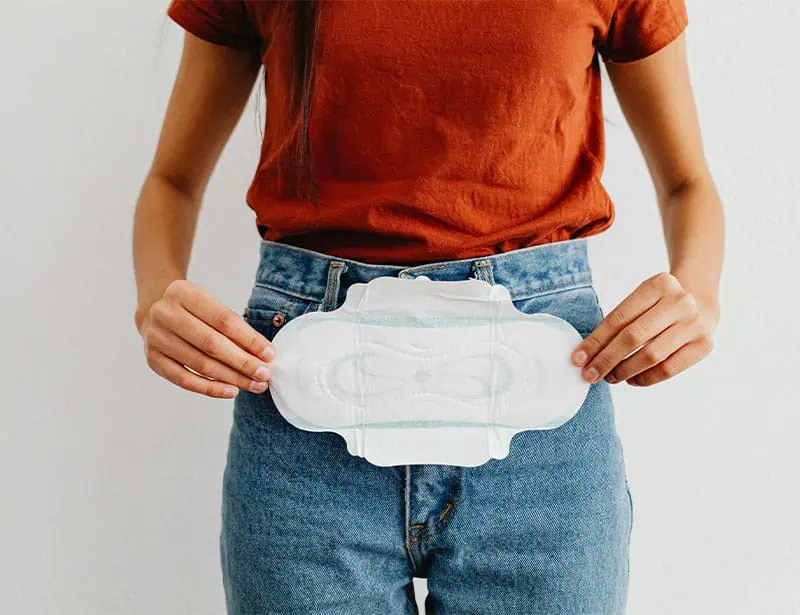
Breaking silence forms the foundation of effective period advocacy. Stigma reduction enables all other progress. That is why media coverage and social media contribution are key indicators of the day's success.
Education follows naturally when communities start talking. Access to products and facilities remains central to this work worldwide.
The movement pushes for immediate solutions alongside systemic change. Policy reform locks in progress through government commitment.
These themes link directly to the UN's Sustainable Development Goals. Gender equality crosses paths with health access and educational opportunity. Research advances, besides advocacy work, show developments that align with environmental protection.
Measuring Impact and Looking Forward
Success appears through multiple signs. WASH United reported the campaign's decade-long impact since 2014. Partner organizations, from UNICEF to local grassroots NGOs, grew seven times.
Pieces of media coverage, excluding print, skyrocketed from 89 to 23,400. Social media posts on LinkedIn, Facebook, and Instagram jumped from 8,000 to 293,000. In 2024 alone, the total number of people reached was almost a billion.
Progress has been made, but we can do more. Let's continue to observe this day and fight for the health and dignity of all girls and women.
Resources:
FAQs (Frequently Asked Questions)
Success metrics work at several levels. Reach numbers tell you about social media views and event turnout. Engagement goes deeper - looking at how people interact with content or sign pledges. The real story comes from tracking actual impact like policy changes or how many products reached women. Schools sometimes report attendance jumping when girls have period supplies. Beyond this, organizations need both hard numbers and stories from the ground to see if stigma is actually decreasing.
Money for period initiatives flows through several channels. The MHH Funding Tracker shows major global commitments, while groups like The Pad Project offer direct product grants through their Native Cultures Fund. Since 2018, bigger donors like USAID have included menstrual health within their WASH and education grants. This relates to growing recognition that period equity connects to multiple development goals. Finding the right funding match depends on whether you need products, education support, or advocacy resources.
Talk to local women first. The IRC emphasizes these conversations help navigate what works in each community. While UNFPA guidelines set standards for safe materials, actual implementation needs local touches. Staff training makes a difference when discussing sensitive topics across cultures. In practice, respecting traditions around disposal or privacy builds community trust faster than rigid global messaging. This suggests adapting how you communicate rather than changing core health information - a balance UNICEF regional reviews point to repeatedly.
Instagram and Facebook drive most campaign engagement, with Meltwater analytics helping track global conversation spread. These platforms have limits in some regions, but coordinated messaging across them works well. Uganda's joint efforts showed measurable results using this approach. Recent health studies point to digital storytelling as particularly effective for breaking taboos. And webinars connect advocates across distances, though internet access remains uneven. Social media works best when campaigns plan content that people actually want to share, not just educational material.
The field offers varied career paths that intersect with different sectors. Program coordinators design and run interventions in communities. Public health educators develop training materials that work across cultures. Policy work means pushing for period equity at government levels. Today many companies need CSR staff who understand menstrual health as part of their social impact. Research positions are growing as universities recognize this as a serious health topic. MH Day networks often connect people to job openings and mentorship, especially for those new to the field.
Barbara is a former journalist who is passionate about translating important causes into engaging narratives. She combines communication expertise with an environmental science background to create accessible, fact-driven content.
Fact Checked By:
Isabela Sedano, BEng.
