International Mind-Body Wellness Day Guide

International Mind-Body Wellness Day launches each January 3rd. Wellness expert and bestselling author Jaya Jaya Myra founded this annual observance to spotlight how our minds and bodies work together. The day emphasizes mind-body-soul connections rather than treating mental health separately.
This differs from World Mental Health Day in October. January 3rd targets something broader: how our emotions directly impact physical health through connected biological systems.
Myra created this observance after recovering from fibromyalgia, anxiety, and depression using Eastern spiritual practices. Starting the year with integrated wellness understanding? This day is for you.
Key Info: International Mind-Body Wellness Day
- When is International Mind-Body Wellness Day?
Occurs annually on the 3rd of January - This Year (2026):
Saturday, January 3, 2026 (date has passed) -
Future Dates
- Sunday, January 3, 2027
- Monday, January 3, 2028
- Wednesday, January 3, 2029
- Thursday, January 3, 2030
-
Additional Details
- Observed By: Wellness communities, health practitioners, and individuals focused on holistic health
- Where Is It Observed: International
- Primary Theme: Mind-Body-Soul Connection and Holistic Well-Being
- Hashtags: #InternationalMindBodyWellnessDay #MindBodyWellness #HolisticHealth #WellnessDay #MindBodyConnection #WELLMethod #JayaJayaMyra
Quick Links: International Mind-Body Wellness Day
Why International Mind-Body Wellness Day Matters
The wellness economy reached $7.5 trillion globally in 2025, representing over 6% of worldwide economic activity, with mental wellness specifically growing 11.9%. These numbers point to genuine health crises rather than lifestyle trends. And the growth keeps accelerating.
Clinical research validates ancient wisdom about mind-body connections. Mindfulness interventions produce impacts comparable to standard cognitive-behavioral therapy (CBT) for depression and anxiety. But there's more to it. In a 2025 study, transcendental meditation possibly works as a secondary prevention method against cardiovascular diseases in high-risk Black American populations.
Stress creates measurable physical damage. Chronic elevation weakens immune systems, elevates inflammation markers, and disrupts cardiovascular function. Mind-body practices reverse these patterns through nervous system activation and gene expression modifications.
Most healthcare treats symptoms without addressing emotional root causes. This observance bridges that gap through awareness-based wellness frameworks like The WELL Method.
Timeline
Jaya Jaya Myra develops expertise through personal healing, begins TEDx speaking on awareness and wellness integration
The WELL Method framework crystallizes after Myra's complete recovery from chronic conditions using Eastern traditions combined with modern psychology
International Mind-Body Wellness Day established January 3rd, growing recognition among wellness practitioners and healthcare professionals
Annual observance expanding into workplace wellness programs, community health initiatives, and educational institution curricula
How to Observe International Mind-Body Wellness Day

Transform awareness into measurable practice through specific actions:
- Begin 5-minute breathing protocols - Deep breathing activates healing responses, reducing cortisol within minutes
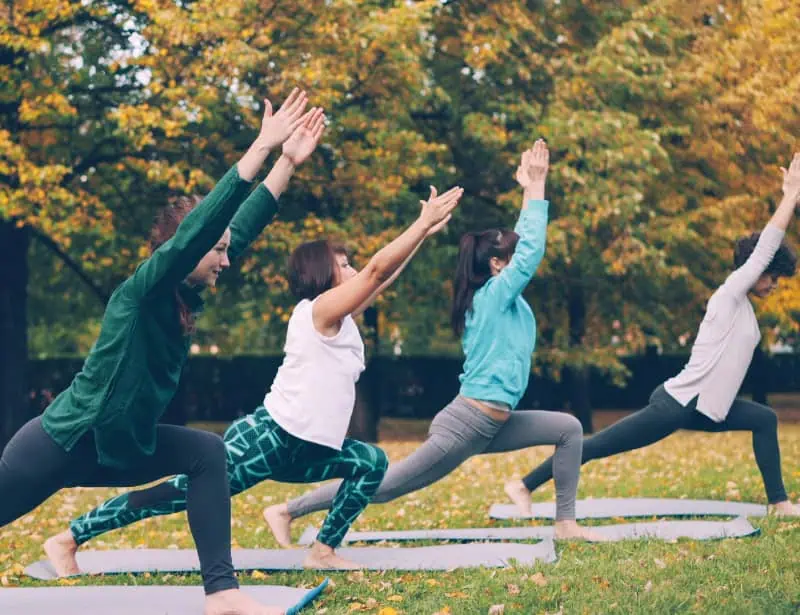
- Practice embodied movement - Yoga, tai chi, or walking meditation strengthens neural pathways between awareness and physical sensation
- Establish workplace wellness moments - Brief team meditations or stress reduction workshops demonstrate mind-body principles practically
- Document emotional-physical patterns - Track how stress shows up physically and which interventions provide relief
- Organize community wellness circles - Group discussions about holistic approaches create support networks and shared accountability
- Implement strategic technology breaks - Scheduled disconnection periods allow nervous system recovery. Present-moment awareness follows.
- Practice gratitude embodiment - Combine appreciation exercises with body awareness to strengthen positive neural pathways
- Schedule regular wellness check-ins - Regular evaluation of mental, physical, and emotional states creates sustainable self-care habits
- Share evidence-based knowledge - Educate others about validated mind-body research through platforms and personal conversations
- Design integration strategies - Create specific methods for maintaining practices throughout the year
Core Themes and Wellness Integration
The WELL Method structures holistic practice: Work-Life Harmony, Expect and Enable Excellence, Live Your Purpose, Love Not Fear. Myra developed this after experiencing how Eastern elemental wisdom combined with neuroscience creates lasting transformation.
Beyond this framework, the real progress happens in daily application.
Mind-body-soul integration operates through measurable mechanisms. Meditation practitioners show 49 inflammation-related genes downregulated while immune-supporting genes increase activity. Purpose-driven living activates natural motivation systems that reduce stress hormone production, without any external interventions.
Work-life harmony transcends time management to include energy alignment. When values match actions, stress indicators decrease naturally. Fear-based decisions create measurable cortisol spikes; love-based choices promote healing responses.
This approach treats root causes rather than isolated symptoms. Ancient Chinese medicine and Ayurvedic traditions understood these connections millennia before modern research validated their effectiveness.
Taking Action Beyond January 3rd
Sustainable wellness requires daily integration rather than annual awareness spurts. Local meditation groups, yoga classes, and holistic health meetups provide ongoing community support for mind-body exploration. This suggests building consistent practice-protect systems.
Establish simple morning routines incorporating breathing or movement practices. Technology apps offer guided support for consistent implementation without overwhelming complexity.
Document which practices create noticeable improvements for future reference to ensure long-term success. Recently, more people are discovering that small daily changes outperform sporadic intensive efforts.
Prepare for next year's observance by noting meaningful changes throughout the year. Share experiences with others to strengthen community connections and personal accountability systems. The goal involves creating lifestyle shifts that enhance mental clarity and physical vitality continuously.
Your mind and body communicate constantly. This practice simply makes that conversation more intentional and healing-focused.
For related events, also join International Yoga Day and International Self-Care Day.
Resources:
FAQs (Frequently Asked Questions)
The National Library of Medicine tracks solid data on mindfulness-based stress reduction. Studies show real drops in anxiety and depression scores. MIT Media Lab connects these practices to better sleep patterns. Beyond this, the American Psychological Foundation points to cardiovascular benefits. Heart rate variability improves by 15-20% in regular practitioners. This suggests the mind-body link has biological roots, not just feel-good effects.
Start small after talking with your doctor. Try 2-3 minute breathing sessions instead of long meditations. Chair exercises work when mobility limits you. Those with chronic pain benefit from body awareness work that doesn't strain muscles. Mental health conditions need careful attention—practice alongside treatment, never instead of it. Progressive muscle relaxation offers safe entry for most conditions. Track any symptom changes and share them with your healthcare team.
Real improvements show up in 2-4 weeks with consistent practice. Sleep quality gets better first. Muscle tension drops. Resting heart rate often decreases by 5-10 beats per minute. This relates to emotional changes too—stress recovery speeds up and mood swings level out. Many people notice clearer thinking and less mental fatigue. Digestive issues improve. Energy stays more consistent through the day. Keep a simple 1-10 scale log for energy, mood, and physical comfort to track what's actually changing.
January 3rd focuses on connecting mental, physical, and emotional health as one system. World Mental Health Day in October targets mental health awareness and reducing stigma around psychological conditions. The timing matters—starting the year with integrated wellness versus October's treatment advocacy focus. International Mind-Body Wellness Day promotes daily practices that create physical changes you can measure. World Mental Health Day emphasizes getting people into treatment. Both serve different but important purposes in health conversations.
No. These practices work with medical care, not instead of it. Many hospitals now add meditation and stress reduction to their treatment plans because it helps medications work better and reduces side effects. Mind-body approaches excel at handling stress-related parts of health conditions. They improve how well people stick to treatments and feel better during medical care. Keep your regular check-ups and prescribed treatments while adding wellness practices. The best results combine proven medical care with validated wellness methods.
Barbara is a former journalist who is passionate about translating important causes into engaging narratives. She combines communication expertise with an environmental science background to create accessible, fact-driven content.