
International Childhood Cancer Day: Show Your Support

February 15 marks International Childhood Cancer Day each year. Childhood Cancer International established this global observance in 2002. The day serves dual purposes: raising awareness plus supporting families facing diagnosis.
The gold ribbon represents childhood cancer awareness worldwide. The WHO Global Childhood Cancer Target aims for 60% survival by 2030. This annual observance connects communities fighting for better outcomes.
Key Info: International Childhood Cancer Day
- When is International Childhood Cancer Day?
Occurs annually on the 15th of February - This Year (2026):
Sunday, February 15, 2026 (date has passed) - Official Website: International Childhood Cancer Day
-
Future Dates
- Monday, February 15, 2027
- Tuesday, February 15, 2028
- Thursday, February 15, 2029
- Friday, February 15, 2030
-
Additional Details
- Observed By: Healthcare organizations, advocacy groups, governments, families, and communities worldwide
- Where Is It Observed: International
- Primary Theme: Childhood Cancer Awareness And Support
- Hashtags: #InternationalChildhoodCancerDay #ChildhoodCancer #GoldRibbon #ChildhoodCancerAwareness #CCI #PediatricCancer
Quick Links: International Childhood Cancer Day
Why International Childhood Cancer Day Matters

Here's what hits hard: survival gaps reveal the day's importance. High-income countries achieve over 80% survival rates, while some low-income regions see as low as 5%. Approximately 275,000 children receive cancer diagnoses annually worldwide.
Beyond this, February 15 emphasizes family support during treatment. Parents navigate complex medical systems—managing emotional stress simultaneously. Some children access cutting-edge treatments while others lack basic care.
This points to system fixes needed globally. The observance differs from other cancer awareness days through its pediatric focus. Childhood cancer requires specialized approaches distinct from adult oncology.
The Gold Ribbon Symbol
Gold ribbons symbolize childhood cancer awareness. Families, advocates, and organizations display these symbols during February observances; social media campaigns feature gold ribbon graphics extensively.
The color represents hope and solidarity with young patients worldwide. This visual unity strengthens global advocacy movements.
Timeline: Important Milestones
Childhood Cancer International establishes International Childhood Cancer Day
WHO launches Global Initiative for Childhood Cancer
Multiyear campaign addressing patient, caregiver, survivor, and healthcare challenges
Target date for WHO Global Childhood Cancer survival goal (60%)
How to Observe and Participate
Wear Gold Ribbons: Display awareness symbols throughout February 15. Share photos using #ChildhoodCancerDay hashtags.
Social Media: Post educational content about childhood cancer statistics. Tag friends to expand awareness reach.
Educational Activities: Schools organize age-appropriate discussions about supporting peers facing medical challenges.
Community Events: Local organizations coordinate walks, fundraising drives, or awareness booths. Virtual participation includes online campaigns, too.
Direct Family Support: Contact hospitals about meal delivery programs. Donate to organizations providing housing assistance near treatment centers.
Professional Development: Healthcare workers attend pediatric oncology sessions. But employers can sponsor awareness training programs, too.
Campaign Themes and Messaging
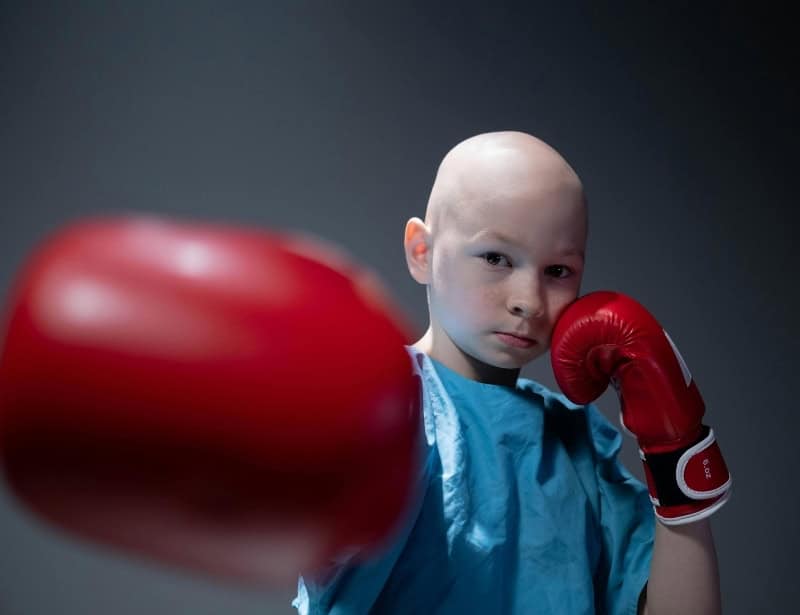
The 2024-2026 multi-year initiative addresses challenges faced by patients, caregivers, survivors, and healthcare professionals. Recent research breakthroughs like CT-179 for medulloblastoma treatment show real progress toward WHO targets.
Dr. Carlos Rodriguez-Galindo from St Jude Children's Research Hospital notes the economic imperative: "Our findings indicate that US$20 billion of funding per year over a 30-year period could bring a return of US$3 for every dollar spent."
This suggests that reducing global gaps while supporting breakthrough research creates gen progress. Each person sharing information contributes to change efforts across healthcare systems.
Supporting Families on This Day
February 15 provides opportunities for meaningful family assistance. Community members can offer grocery shopping, transportation, or childcare for siblings during hospital visits. Simple stuff that matters.
Emotional support matters equally. Encouraging messages or meal deliveries show genuine care during difficult periods. Local support groups often coordinate special observance activities.
In practice, volunteer opportunities include hospital programs, family retreat assistance, or fundraising coordination. These actions transform awareness into family relief.
Taking Action Beyond Awareness
Single-day observance creates momentum for year-round engagement. Sustained advocacy drives policy changes, and research funding increases toward reaching WHO targets.
Continued support includes monthly donations, volunteer commitments, or professional advocacy involvement. The official resource internationalchildhoodcancerday.org provides ongoing engagement opportunities.
Every person sharing information or supporting families builds the future where childhood cancer becomes universally survivable.
Resources:
FAQs (Frequently Asked Questions)
Schools connect through Childhood Cancer International and SIOP toolkits. These groups lead the global framework. But here's what works: regions adapt activities to fit local needs while hitting the main goals. Organizations shape their events around raising awareness and supporting families dealing with childhood cancer. This flexibility keeps the movement both unified and practical.
Start simple with younger kids. Ages 4-7 understand "helping sick children feel better" and wearing gold to show we care. When kids hit 8-12, they grasp that some children need special doctors for very serious illness—many get better with treatment. Teenagers can handle real numbers about survival improvements and actual volunteer work. Focus on hope and medical progress, not scary details. Picture books about childhood cancer help, or kids can make cards for patients.
Check Charity Navigator first. Four-star ratings indicate financial health and transparency—top childhood cancer groups maintain these standards consistently. Beyond this, look for groups connected to established networks like the Alliance for Childhood Cancer. Organizations working with the Children's Oncology Group tend to appear in government health resources. This vetting protects your donation impact.
ICCD targets cancer survival rates specifically, not general children's wellness. The day connects directly to WHO's goal of 60% survival by 2030—making it action-oriented rather than just educational. Gold ribbons on February 15 create worldwide recognition. Many children's health days vary by country or group. But ICCD does something different: it combines awareness with direct family support for those currently fighting diagnosis and treatment.
February 15 kicks off sustained engagement throughout the year. Many people use the day to start ongoing volunteer work, set up monthly donations, or join policy advocacy for research funding. Organizations launch new family support programs during ICCD that run well past February. This creates momentum for continuous involvement rather than one-day participation. Long-term advocacy builds the base needed to hit WHO survival targets and reduce global treatment gaps.
Barbara is a former journalist who is passionate about translating important causes into engaging narratives. She combines communication expertise with an environmental science background to create accessible, fact-driven content.
