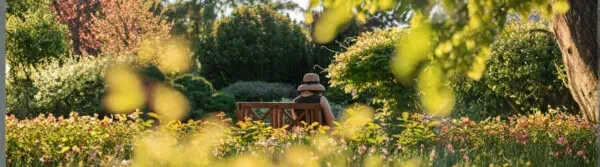
Garden Meditation Day: Nature's Path To Inner Peace

Garden Meditation Day happens every May 3rd. C.L. Fornari started this whole thing. Called The Garden Lady, she writes books about gardening and does radio shows. She figured out something important: gardens make meditation easier than trying to sit still indoors.
This isn't some big corporate wellness trend. Fornari just noticed how people naturally slow down around plants.
Why not make it official?
Key Info: Garden Meditation Day
- When is Garden Meditation Day?
Occurs annually on the 3rd of May - This Year (2026):
Sunday, May 3, 2026 (date has passed) -
Future Dates
- Monday, May 3, 2027
- Wednesday, May 3, 2028
- Thursday, May 3, 2029
- Friday, May 3, 2030
-
Additional Details
- Observed By: Gardening enthusiasts, meditation practitioners, botanical gardens, and wellness centers
- Where Is It Observed: United States
- Primary Theme: Mindful Gardening and Wellness
- Hashtags: #GardenMeditationDay #MindfulGardening #GardenMindfulness #GardenWellness #MeditateInNature
Quick Links: Garden Meditation Day
Why This Actually Works
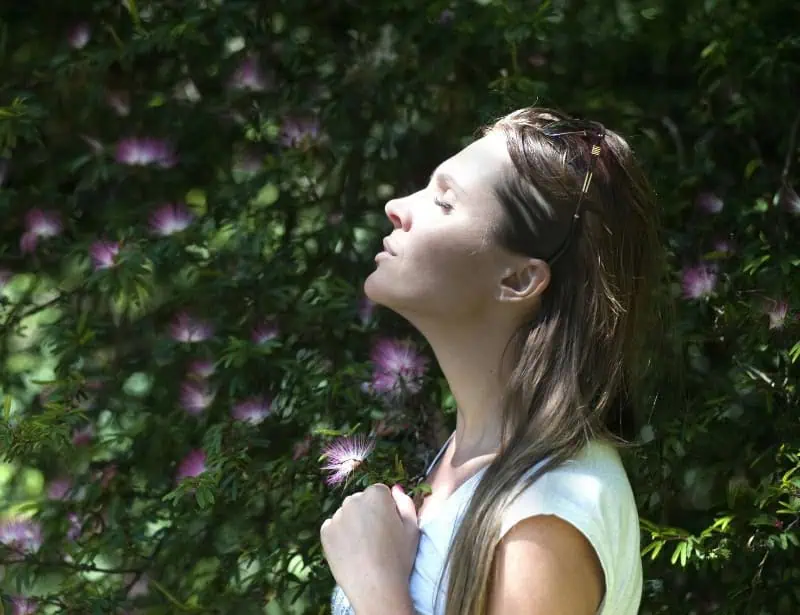
Here's something worth considering about mixing gardening with meditation. Your brain responds differently to outdoor spaces than indoor ones. Recent studies demonstrate that even brief nature-based mindfulness interventions significantly reduce depressive symptoms and stress in both adolescents and adults[1].
Dr. Jay Maddock from Texas A&M puts it simply: "Spending even a short amount of time in nature has been shown to improve mood and reduce stress. There are noticeable benefits in as little as 10 minutes at a time."
Ten minutes. That's shorter than most coffee breaks; actually, shorter than most bathroom breaks, if we're being honest.
Garden meditation feels different from forest bathing or wilderness hiking. You're working with spaces humans have shaped. You watch tomatoes ripen, notice which flowers the bees prefer. There's this back-and-forth between what you plant and what grows wild anyway.
City people, especially, benefit, since most of us can't just walk into pristine forests. But a community garden? That balcony with herb pots? Those work fine.
The Woman Behind the Idea
Fornari didn't set out to create a movement. She spent years as The Garden Lady, teaching people practical stuff—when to plant, how to compost, which vegetables grow in shade.
But she kept seeing the same thing: people would start weeding or watering, and their whole energy would shift.
So she did. No committees or formal launch events. She started talking about Garden Meditation Day, and it caught on. Botanical gardens picked it up; wellness centers added it to their calendars.
How to Join In

Public gardens - Many botanical gardens and wellness centers run special sessions on May 3rd. You get variety: different plants, guided instruction, other people to share the experience.
Your own space - Backyard, front steps, whatever you've got. Sometimes the most powerful sessions happen in familiar, comfortable territory.
Whatever's available - Apartment gardens count. That spider plant in your kitchen counts. One woman I know does walking meditation around her neighborhood, stopping at interesting front yards.
Start small, maybe fifteen minutes during lunch. Or go longer on weekends if that appeals to you. The important elements stay the same: pay attention to growing things, touch soil when possible, and notice seasonal changes.
Walking meditation works especially well in gardens. Feel mulch under your feet; notice leaf textures and flower scents. For seated practice, pick one plant and really observe it. How does light move through the leaves? What insects visit?
This suggests turning regular gardening into a form of meditation, too. Weed slowly, feeling root systems separate from the soil. Water plants while watching absorption patterns. These aren't exotic techniques. It's normal garden tasks with mindfulness mixed in.
And if you are new to meditation, you can listen to mindfulness podcasts.
Core Ideas That Don't Change
Every year centers on the same basic concepts. You're partnering with nature rather than just observing it. You're practicing mindfulness outdoors instead of only inside buildings.
Accessibility matters most. You don't need any special training at all. Physical movement combines with mental awareness through simple activities such as touching soil, observing growth, and moving gently among plants.
Unlike awareness days with rotating themes each year, this one sticks to fundamentals. Living systems provide endless variation within stable frameworks anyway.
Your May 3rd experience will be different from last year's because the garden itself has changed.
Planning Your May 3rd
Garden Meditation Day returns each year with new possibilities. Planning helps you make the most of it. Identify your garden space first, then block out time for meditation.
Research local events if group experiences appeal to you.
Experience with gardening isn't required. Success is measured by any amount of mindful engagement with growing life—brief balcony moments count as much as extended botanical garden sessions.
The practice connects human awareness with the rhythms of cultivated nature.
Simple stuff that works.
Resources:
FAQs (Frequently Asked Questions)
Early morning works best, around 6 to 9 AM. You get cooler air, birds singing, and dewdrops still on plants. Late afternoon from 4 to 6 PM comes second—softer light and calmer energy after your day winds down. Skip midday when it's hot since discomfort kills your focus. Can't get outside? Indoor plants work fine any time.
Light rain actually helps many people meditate better. The sounds and fresh earth smell work like natural white noise. For heavy storms, try covered porches or sit by windows facing your garden. Indoor plant meditation counts just as much—focus on houseplants, windowsill herbs, or even garden photos that connect with you. Some people love stormy sessions since dramatic energy can boost awareness.
Track your mood and stress over 2 to 3 weeks. Research from 40 studies in NIH databases shows gardening plus mindfulness creates real mental health improvements. A Korean study with thousands of participants found people noticed changes in depression and anxiety within 8 sessions. Beyond this, watch for better sleep, feeling more present, or handling daily stress easier.
Zero gardening knowledge needed. You're practicing awareness, not growing anything. Don't worry about plant names or care techniques. Just notice leaf shapes, colors, how shadows move, which spots attract bees. Many experienced meditators approach familiar gardens like beginners on purpose—they discover details they missed before.
Any living plants work—big botanical garden or single potted basil. Balcony containers, community garden spots, park corners, or solid houseplant collections all count. You need plants to observe up close, comfortable sitting space, and 10 to 15 quiet minutes minimum. City folks use courtyards, rooftop gardens, or small neighborhood parks.
Sources & References
- [1]
- Owens, M., & Bunce, H. L. I. (2025). Nature-Based Meditation Reduces Depressive Rumination and Stress in Adolescents and Young Adults. Psychiatry International, 6(2), 36.
↩
Barbara is a former journalist who is passionate about translating important causes into engaging narratives. She combines communication expertise with an environmental science background to create accessible, fact-driven content.
