
Crossword Puzzle Day: Honor Arthur Wynne's Legacy

Crossword Puzzle Day hits December 21st each year. The date marks Arthur Wynne's first "Word-Cross" puzzle in the New York World back in 1913.
Wynne built the first modern crossword with a diamond shape—no black squares inside. His design set up the basic rules we still use.
The day does two things. It honors puzzle history spanning over a century. December 21st also celebrates 50+ million people worldwide who solve grids daily.
Past pioneers connect with today's digital fans through the same mental workout. What started as newspaper space-filler became a cultural thing. Crosswords now bring generations together around kitchen tables everywhere. And that's pretty cool.
Key Info: Crossword Puzzle Day
- When is Crossword Puzzle Day?
Occurs annually on the 21st of December - This Year (2026):
Monday, December 21, 2026 -
Future Dates
- Tuesday, December 21, 2027
- Thursday, December 21, 2028
- Friday, December 21, 2029
-
Additional Details
- Observed By: Crossword enthusiasts, puzzle solvers, newspaper readers, and word game communities globally
- Where Is It Observed: International
- Primary Theme: Word Puzzles And Mental Exercise
- Hashtags: #CrosswordPuzzleDay #Crosswords #WordPuzzles #PuzzleDay #BrainGames #WordGames #MentalExercise #ArthurWynne
Quick Links: Crossword Puzzle Day
Why Crossword Puzzle Day Matters for Your Brain

Solving puzzles gives real brain benefits across multiple functions. The Bronx Aging Study found crossword participation delayed memory decline by 2.54 years compared to non-puzzlers{1}. People showed better word recall and faster thinking during tests.
Daily solving builds vocabulary through weird terms and clever wordplay. Memory gets stronger through regular practice pulling up stored knowledge.
Stress melts when your mind focuses completely on letter patterns instead of daily worries.
Crosswords create real bonding moments between generations. Grandparents share solving tricks with grandchildren while keeping newspaper tradition alive in our phone-obsessed world. These team sessions build family connections through shared brain challenges.
How Puzzles Evolved from Arthur Wynne's Start
Arthur Wynne's original 32-word puzzle sparked something unexpected. His diamond grid launched from simple word game into serious mental exercise.
The New York Times first called crosswords a "primitive mental exercise"—until World War II changed their minds completely.
Margaret Petherbridge Farrar established construction rules during the 1920s that we still follow. Her symmetry requirements and black square ratios created the visual balance we recognize instantly.
The Columbia-Duke COG-IT Trial later proved what Farrar understood naturally. Crossword training achieved a "trifecta" of cognitive improvement, functional enhancement, and reduced brain atrophy{2}.
Arthur Wynne publishes first "Word-Cross" in New York World
Simon & Schuster releases first puzzle book, sells 100,000+ copies
New York Times launches daily crossword during wartime
Will Shortz starts American Crossword Puzzle Tournament
Digital platforms reach 50+ million regular solvers
Ways to Celebrate with Family and Friends
At Home
Plan themed puzzle parties with food matching grid answers. Set up team solving stations where family members share what they know best.
Make custom grids using family names and inside jokes. Personal touch works.
At Work
Try lunch tournaments with company-specific puzzles. Run week-long competitions leading to December 21st.
Give prizes for both speed and creative wrong answers that somehow still fit.
In Your Community
Teachers can weave vocabulary lessons through subject crosswords covering science or history terms. Libraries host sessions pairing experienced solvers with curious beginners.
Community centers dig into local puzzle history through old newspaper collections.
Plan snacks matching puzzle themes. Share your progress using #CrosswordPuzzleDay while swapping solving strategies across skill levels.
Finding Your Crossword Community
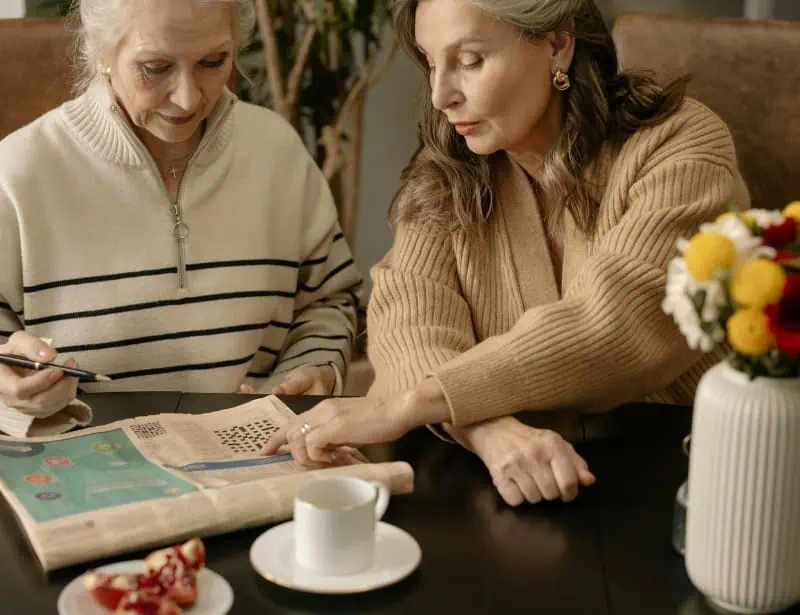
Local crossword clubs meet in libraries and community centers year-round. These groups welcome everyone from complete beginners to tournament pros.
Online communities connect global fans through construction tips and daily puzzle talk.
Will Shortz's American Crossword Puzzle Tournament represents the peak of competitive solving. But casual participation in local newspaper contests provides equally good experiences.
Daily solving habits naturally extend celebration beyond December 21st through regular brain workout routines.
Apps and digital platforms track your progress, which builds confidence step by step. The broader crossword culture embraces both quick coffee-break solvers and serious competitors.
Getting Started with December 21st Fun
Most local newspapers offer free puzzles—Monday editions provide beginner-friendly difficulty. Major publications traditionally ramp up challenge throughout the week.
This makes Tuesday and Wednesday ideal for skill building.
Download crossword apps with hint systems and checking functions for learning support. Document your December 21st celebration using #CrosswordPuzzleDay while sharing completed grid photos.
Success builds through regular practice rather than puzzle difficulty. Start with shorter grids before tackling standard 15x15 formats. Trust the process.
Resources:
FAQs (Frequently Asked Questions)
Monday puzzles work best. These have around 75 words and simple clues. Most papers follow the same weekday pattern - Monday stays easiest. Mini crosswords take just 2-3 minutes and build confidence fast. Skip themed puzzles initially since they need cultural knowledge. Once you finish Monday grids in under 20 minutes, move to Wednesday puzzles.
Set up 3-4 different puzzle stations. Picture crosswords work for kids, standard grids for adults, large-print versions for seniors. Team solving brings out everyone's strengths - kids know pop culture, adults handle general knowledge, seniors remember history. Give hint cards freely and celebrate partial wins. Beyond this, custom family puzzles using your own names create personal connections.
research
Apps like NYT Crossword give instant feedback and track your 30-day progress. You get daily puzzles with clear difficulty ratings. But group solving works better on paper where people can point and discuss clues together. In practice, use apps for solo practice, then print puzzles for group celebrations.
Check library and coffee shop bulletin boards first - most groups post regular meeting times there. Social media has crossword networks where local enthusiasts connect. Online forums attract active solvers who organize meetups in major cities. Research shows puzzle communities welcome newcomers and freely share solving techniques.
Barbara is a former journalist who is passionate about translating important causes into engaging narratives. She combines communication expertise with an environmental science background to create accessible, fact-driven content.
