
Aunt and Uncle's Day: Your Complete Celebration Guide

July 26th marks Aunt and Uncle's Day across communities worldwide. This informal family observance celebrates unique bonds between aunts, uncles, and their nieces and nephews. But what makes these relationships so important?
Finnish and U.S. research shows aunts’ and uncles’ resources help nieces and nephews finish school and avoid low pay, especially when parents have fewer resources[1]. That's a clear impact from extended family connections. These relationships offer emotional support that's different from parental bonds entirely.
The day recognizes relationships that blend friendship with family loyalty; aunts and uncles often serve as confidants during tough periods.
Key Info: Aunt and Uncle's Day
- When is Aunt and Uncle's Day?
Occurs annually on the 26th of July - This Year (2026):
Sunday, July 26, 2026 (date has passed) -
Future Dates
- Monday, July 26, 2027
- Wednesday, July 26, 2028
- Thursday, July 26, 2029
- Friday, July 26, 2030
-
Additional Details
- Observed By: Families recognizing the contributions of aunts and uncles to family life
- Where Is It Observed: United States and Canada
- Primary Theme: Family Relationships
- Hashtags: #AuntAndUncleDay #AuntsAndUncles #FamilyDay #ExtendedFamily #FamilyCelebration
Quick Links: Aunt and Uncle's Day
The Significance of Aunts and Uncles in Family Structures
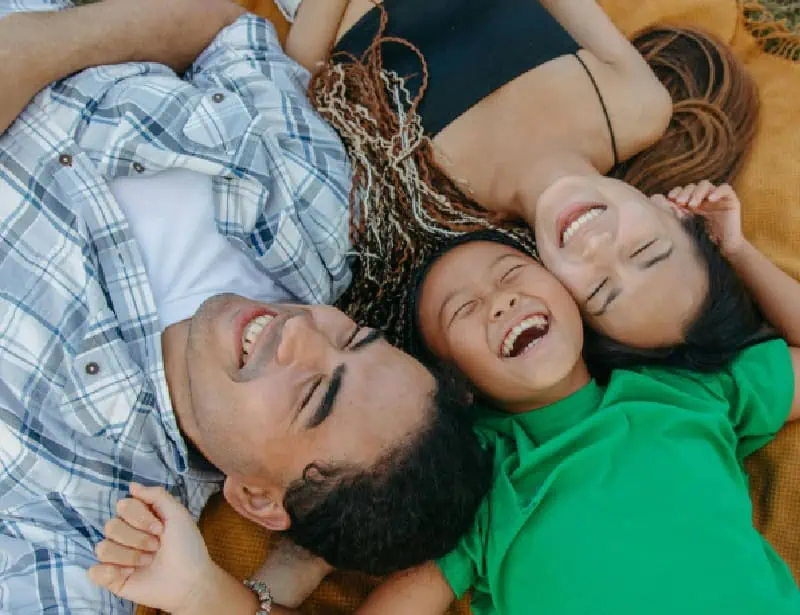
Extended family bonds provide advantages that parents can't replicate alone. Aunts and uncles occupy this special position—somewhere between friendship and authority.
Robert Milardo, author of "The Forgotten Kin," explains their varied roles: Aunts and uncles offer great support to families, helping parents out. They act as role models, mentors, and guides.
AARP’s family expert, Amy Goyer, lays out the following standout roles aunts and uncles play in a young person’s life in an interview with the Washington Post.
- The “Cool” Adult: You bring something different from parents—fun without rules, stories that stick, and a relaxed vibe kids love.
- Confidant and Trusted Adviser: With you, kids share what feels hard with parents. You offer another take, guidance, and a safe place to be honest.
- Extra Provider: You chip in—sometimes it’s a splurge, other times solid help. These thoughtful gifts or support make kids feel seen.
- Role Model: Just being yourself gives kids a look at how else to grow up. You show another way to live, love, and work.
- Family Compadre: You know the family inside out but aren’t “the parent”—meaning you can smooth things over when conflict pops up.
- Surrogate Parent: You fill in when needed, handling rides, meals, or simply caring—reassuring kids they’re covered.
- Cheerleader: You notice both ups and downs, ask how to help, and always cheer them on. That steady backup can mean everything.
Children develop stronger emotional regulation through these interactions. The voluntary nature sets these bonds apart from obligatory parental relationships. Melanie Notkin from SavvyAuntie.com emphasizes: "There's no obligation of the aunt or uncle, unlike parenting." This freedom creates genuine connections.
Celebration Methods for Aunt and Uncle's Day
In-Person Activities
- Plan special outings that reflect shared interests
- Cook family recipes together
- Create photo albums documenting relationship milestones
- Share family stories and cultural traditions
Virtual Connections
- Schedule video calls for distant relationships
- Play online games across time zones
- Share digital photo collections
- Watch movies using streaming party apps
Recognition Gestures
- Send personalized cards highlighting specific memories
- Order favorite treats for delivery
- Create custom photo books celebrating connections
- Commission artwork featuring family bonds
Experience-Focused Celebrations
- Plan future adventures during July conversations
- Enroll in classes allowing shared learning
- Attend events as bonding activities
- Create annual traditions extending beyond July 26th
Distinguishing This Observance from Similar Family Days

Aunt and Uncle's Day honors extended family relationships rather than immediate family bonds. Beyond this, the observance celebrates voluntary family connections rather than obligatory ones.
The July 26th timing distinguishes it from International Family Day observed in May—filling gaps in family celebration calendars.
Building Lasting Connections Beyond the Annual Observance
Strong aunt and uncle relationships need consistent nurturing throughout the year. Regular check-ins strengthen bonds beyond single-day recognition. Simple messages about daily life maintain connection across distances—what matters is staying connected.
Parents trust their own siblings to let children do things that the parents might not counter. This unique position enables ongoing mentorship opportunities.
Share professional expertise in areas where you excel. Remember birthdays and academic achievements. These small gestures compound into meaningful relationships that support both children and parents during challenging times.
Planning Your July 26th Recognition
Since 2018, families have increasingly recognized the importance of advance planning for meaningful celebrations. Start celebration planning several weeks before July 26th arrives.
Consider relationship proximity when choosing recognition methods. Coordinate with your parents, ensuring celebration timing works for everyone involved. But how will you make this year's recognition more meaningful than previous attempts?
Contact nieces and nephews directly—this shows personal investment. Plan activities reflecting their current interests and stages of growth. Document celebrations through photos for future reminiscing.
Resources:
FAQs (Frequently Asked Questions)
Aunts and uncles don't automatically get legal rights to see or care for nieces and nephews. They can ask courts for custody when parents can't manage—like during serious illness or if children face unsafe conditions. Since 2010, more relatives have stepped in as temporary guardians. This varies widely by state though. Some places make it easier for close family to stay connected, while others require proving why the arrangement helps the child's wellbeing.
Kids with active aunts and uncles often solve problems better and show more empathy toward others. Why? These adults provide extra support without the full weight of parental responsibility. For younger children, they offer new perspectives and skills. Teenagers find them easier to approach with sensitive questions. This suggests these relationships create safety nets during family conflicts. Beyond this, research from BYU shows these bonds matter most during major life transitions when children need extra emotional anchors.
Let children set the pace for relationships with step-aunts and uncles. Early interactions work best when kept light and expectations remain flexible. Don't force titles or affection. This relates to respect for existing family structures—children already navigate complex loyalties. Create connections through shared activities rather than gifts. When differences arise with parents, step back rather than challenge their methods. A thoughtful step-relative focuses on building trust gradually while supporting the child's adjustment to family changes.
African American communities often practice "other mothering" where aunts become essential caregivers, teaching cultural values through everyday interactions. In Indian families, "Aunty" and "Uncle" extend beyond blood relations as terms of respect for all elders. Western traditions typically position aunts as emotional confidantes. The differences reflect deeper cultural patterns about family structure. Today these roles blend and adapt as families become more diverse. Some traditions persist while new patterns emerge through cultural exchange.
Clear communication with parents creates the foundation for healthy aunt-uncle relationships. Start by asking what parents feel comfortable with rather than making assumptions. When spending time with nieces or nephews, check before introducing new activities or foods. One standalone rule works well: never undermine parental decisions. Boundaries shift as children grow, requiring periodic readjustment of your role. This creates space for meaningful connections without stepping on parents' toes or confusing children about authority figures in their lives.
Sources & References
- [1]
- Erola, J., Kilpi-Jakonen, E., Prix, I., & Lehti, H. (2018). Resource Compensation from the Extended Family: Grandparents, Aunts, and Uncles in Finland and the United States. European Sociological Review, 34(4), 348–364.
↩
Barbara is a former journalist who is passionate about translating important causes into engaging narratives. She combines communication expertise with an environmental science background to create accessible, fact-driven content.
