Week of Solidarity with the Peoples of Non-Self-Governing Territories & Rights

Seventeen territories worldwide still wait for self-governance. Their 2 million residents live under colonial administration while the global community marks progress elsewhere. The Week of Solidarity with the Peoples of Non-Self-Governing Territories runs May 25-31 annually for them.
UN General Assembly Resolution 54/91 established this observance in December 1999, highlighting stalled decolonization processes affecting diverse populations from Pacific atolls to Caribbean islands.
When the United Nations formed in 1945, approximately 750 million people lived under colonial rule. Today fewer than 2 million remain in this status across 17 territories. Progress has completely stalled since Timor-Leste gained independence in 2002.
Key Info: Week of Solidarity with the Peoples of Non-Self-Governing Territories
- When is Week of Solidarity with the Peoples of Non-Self-Governing Territories?
Occurs annually starting on the 25th of May for a week - Official Website: United Nations Observances
-
Future Dates
- Tuesday 25th - Monday 31st May 2027
- Thursday 25th - Wednesday 31st May 2028
- Friday 25th - Thursday 31st May 2029
- Saturday 25th - Friday 31st May 2030
-
Additional Details
- Observed By: UN member states, advocacy groups, and peoples of non-self-governing territories worldwide
- Where Is It Observed: International
- Primary Theme: Territorial Self-Determination and Decolonization
- Hashtags: #NonSelfGoverningTerritories #UNSolidarityWeek #Decolonization #SelfDetermination #TerritorialRights
Quick Links: Week of Solidarity with the Peoples of Non-Self-Governing Territories
Why This Week Matters for Global Territorial Justice
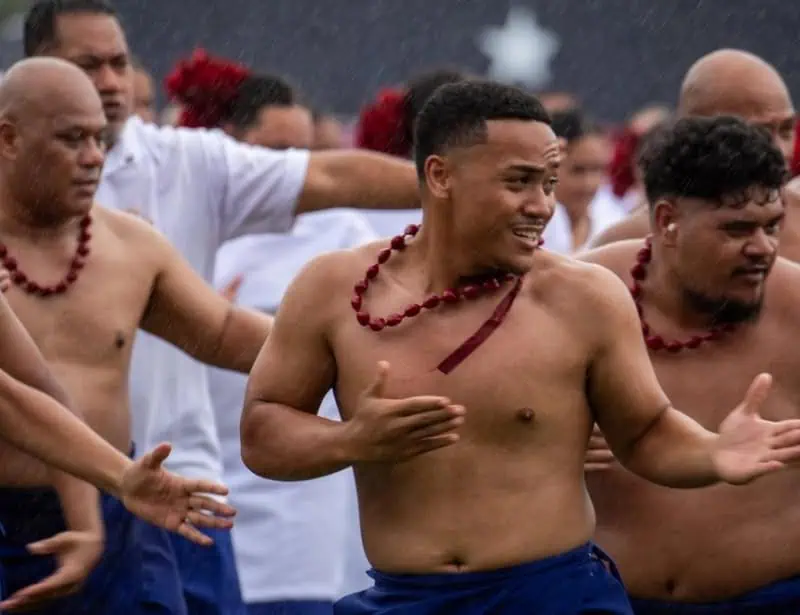
Solidarity Week serves as an annual push for advancing decolonization conversations that impact 2+ million people across strategic locations worldwide. These discussions often stagnate. Territorial populations want greater autonomy while administering powers manage complex relationships.
These are the nations that currently administer the remaining territories:
| United Kingdom (10) | Anguilla, Bermuda, British Virgin Islands, Cayman Islands, Falkland Islands, Gibraltar, Montserrat, Pitcairn Islands, Saint Helena, Turks and Caicos Islands |
| United States (3) | American Samoa, Guam, U.S. Virgin Islands |
| France (2) | French Polynesia, New Caledonia |
| New Zealand (1) | Tokelau |
| Disputed by Morocco and the Sahrawi Arab Democratic Republic | Western Sahara |
The Special Committee on Decolonization operates under Ambassador Menissa Rambally of Saint Lucia's leadership. This committee's 29 UN member states intensify their focus during solidarity week on case-by-case territorial approaches rather than generic resolutions.
And the work continues year-round through UN channels.
Current Reality of Non-Self-Governing Territories
Geographic diversity defines these remaining territories, spanning the Atlantic, Pacific, and Caribbean regions. Western Sahara contains 582,000 people across 266,000 square kilometers, while Pitcairn houses just 43 residents on 35.5 square kilometers.
New Caledonia holds 268,767 people; French Polynesia contains 276,300; Guam maintains 163,875 residents with strategic military importance. Most territories face shared challenges despite different circumstances—limited political autonomy restricts local decision-making authority.
Resource control remains constrained under administrative oversight. According to UN Secretary-General António Guterres, these territories "are on the front lines of the climate crisis facing rising seas and extreme weather".
Sixteen of 17 territories are island-based, making them vulnerable to climate impacts. The Falkland Islands sovereignty dispute shows these complex territorial dynamics. Multiple parties claim legitimate interests while residents express clear preferences about their future status.
Timeline of Solidarity Week Development
UN Charter establishes international trusteeship system
Declaration on Decolonization adopted by UN General Assembly
Resolution 54/91 establishes Week of Solidarity observance
First official Week of Solidarity observed globally
Strategic Ways to Amplify Territorial Voices During the Week
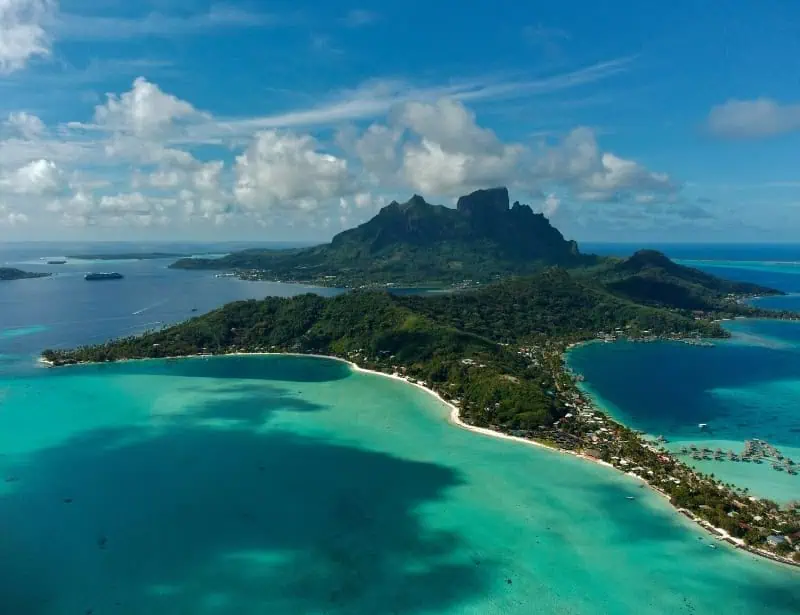
Schools and advocacy groups can create meaningful solidarity beyond symbolic recognition during this annual period. These approaches carry genuine impact:
- Partner with territorial organizations directly - Connect with territorial advocacy groups to amplify authentic voices during peak international attention.
- Host UN headquarters symposium viewing parties - Stream the latest official Solidarity Week sessions while providing local context and discussion opportunities. Sessions of the Special Committee on Decolonization (C-24) are publicly available by the end of June every year.
- Develop targeted educational campaigns. Create accessible materials explaining territorial situations and self-governance principles.
- Organize community dialogue sessions - Facilitate conversations linking territorial rights to broader human rights frameworks.
- Support territorial solidarity networks - territorial organizations need resources and expertise. They intensify decolonization advocacy during this period.
- Document territorial stories through media - Produce podcasts, articles, or video content featuring territorial perspectives, releasing during solidarity week for maximum reach. Some territories lack basic media coverage.
Core Themes Driving Territorial Self-Governance
Money shapes everything here. Many territories depend heavily on single sectors like tourism or imports from administering powers. This economic vulnerability limits authentic self-governance options. True autonomy requires diversified economic foundations.
Cultural preservation intersects with political autonomy in complex ways. Indigenous Chamorro populations in Guam face impacts from military expansion "destroying and otherwise limiting access to traditional harvesting grounds for medicinal plants".
Beyond this, solidarity week can spotlight cultural protection needs alongside political rights.
Democratic participation takes various forms across different territorial relationships. The Special Committee has adopted over 40 resolutions regarding Puerto Rico's status, reaffirming "the inalienable right of the people of Puerto Rico to self-determination and independence".
Extending Solidarity Beyond One Week
Year-round territorial advocacy requires sustained engagement through UN channels, such as the Special Committee on Decolonization that meets regularly. This provides ongoing opportunities for international attention,
Territorial partnership organizations offer direct ways to maintain solidarity connections from the week. These groups work continuously on territorial situations, providing expertise and advocacy that extends the week's momentum year-round.
In practice, educational initiatives create lasting awareness foundations that Solidarity Week can launch. When schools, universities, and community organizations integrate territorial rights education, they build understanding supporting long-term progress rather than fleeting annual attention.
Fight for other causes by also joining International Day Against Nuclear Tests and International Day For The Abolition Of Slavery.
Resources:
FAQs (Frequently Asked Questions)
The UN works mainly through its Special Committee of 24, which runs yearly regional seminars. These bring territories, administering powers, and other key groups together—like the 2024 Caribbean event in Venezuela. UN teams also visit territories directly to see what's happening on the ground. Beyond this, they provide technical help and set up informal talks between territories and the powers that administer them. All this happens within the Fourth International Decade for the Eradication of Colonialism. What makes this effect last? The UN maintains these programs year-round, not just during the annual solidarity week.
Today's colonialism looks nothing like the old days of military occupation. It shows up in economic ties that bind too tightly, limited political freedom, and restricted control over local resources. Modern colonial limits include weird trade rules, outside control of money policies, and strategic military bases that never quite go away. These territories typically run on split systems. Local officials handle day-to-day matters while outside powers keep tight control over defense, foreign affairs, and the big economic decisions that actually shape lives.
UN records show most territories have come off the non-self-governing list over time. The specific progress since 1999 isn't clearly tracked in public sources, though. Today, only 17 territories remain listed, with fewer than two million people still under colonial rule according to UN data. Some clear gains exist. This suggests real movement toward self-determination. The complete picture needs better statistics than what's available right now. Government and academic research would need to fill these gaps to show the full effect of changes since the Week started in 1999.
Economic ties create real roadblocks to self-determination through three main problems. Budget dependence comes first—many territories need constant financial support from administering powers. Trade limits follow, with territories often stuck selling to and buying from their administering power's markets. And currency control matters too. Since most territories use their administering power's money, they can't set their own financial policies. These practical dependencies make full independence economically tough. Any territory wanting to break free needs serious transition planning to avoid economic collapse.
Barbara is a former journalist who is passionate about translating important causes into engaging narratives. She combines communication expertise with an environmental science background to create accessible, fact-driven content.