
National Women In Science Day: Inspiring STEM Leaders

The UN established International Day of Women and Girls in Science back in 2015. UNESCO, UN-Women, and RASIT coordinate this February 11 event each year. The day tackles gender equality in STEM while breaking down barriers that limit opportunities for women.
Thousands of events worldwide show a real commitment to advancing women scientists. And this creates lasting momentum for change.
Key Info: International Day of Women and Girls in Science
- When is International Day of Women and Girls in Science?
Occurs annually on the 11th of February - This Year (2026):
Wednesday, February 11, 2026 (date has passed) - Official Website: UNESCO - International Day of Women and Girls in Science
-
Future Dates
- Thursday, February 11, 2027
- Friday, February 11, 2028
- Sunday, February 11, 2029
- Monday, February 11, 2030
-
Additional Details
- Observed By: UN member states, educational institutions, scientific organizations, governments, and advocacy groups worldwide
- Where Is It Observed: International
- Primary Theme: Gender Equality in Science and Technology
- Hashtags: #WomenInScience #GirlsInSTEM #GenderEquality #STEM #WomenAndGirlsInScience #ScienceForAll #UNESCO #UNWomen
Quick Links: National Women in Science Day
Why This Day Actually Matters
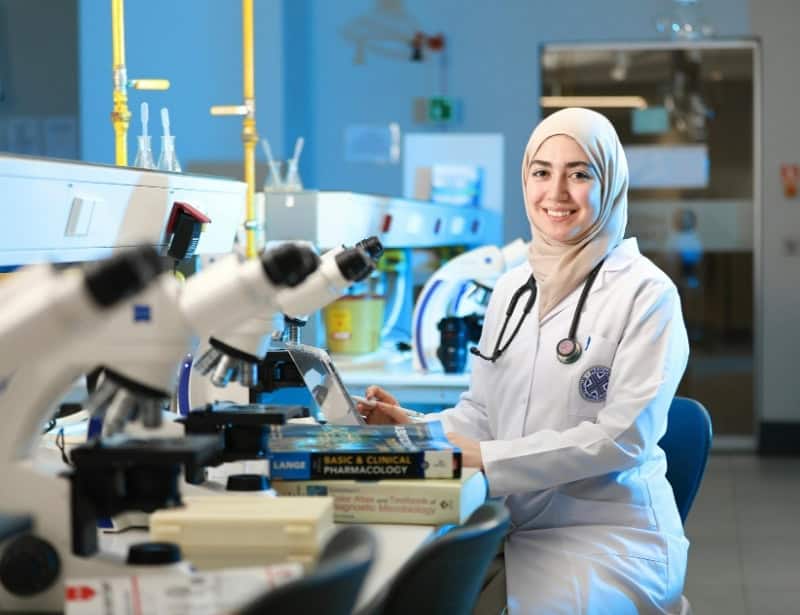
Multiple statistics reports that women make up about a third of the STEM global workforce. That's a problem when they're half the population. This gap kills innovation and denies equal access to education.
The observance connects to UN Goal 5 on gender equality.
Research careers stay tough for many women to access. UNESCO shows that women earn only 35% of STEM degrees due to barriers, including workplace discrimination and limited mentorship.
Patent data tells another story: women inventors account for just 9% of global patents.
Progress happens when institutions actually commit to change. Girls need early science role models. Can young women in your area name five female scientists beyond Marie Curie?
Educational systems with equal encouragement build stronger scientific workforces.
How It All Started
The UN General Assembly adopted Resolution 70/212 in 2015, creating the observance. The first official celebration happened in 2016 at the UN Headquarters in New York. Since then, annual expansion has brought themed events and global participation.
The following themes shift yearly to address current barriers.
| 2026 | Synergizing AI, Social Science, STEM and Finance: Building Inclusive Futures for Women and Girls |
| 2025 | Charting Progress to Shape the Future: The Best is Yet to Come |
| 2024 | Women and Girls in Science Leadership – a New Era for Sustainability |
| 2023 | Innovate. Demonstrate. Elevate. Advance. Sustain. (I.D.E.A.S.): Bringing Everyone Forward for Sustainable and Equitable Development |
| 2022 | Synergizing AI, Social Science, STEM, and Finance: Building Inclusive Futures for Women and Girls |
Ways to Get Involved

Quick moves:
Share women scientist stories on social media using #WomenInScience. Learn about one woman scientist beyond the famous names. Download official UN materials from unesco.org.
Individual action:
Attend local science events or speaker sessions. Mentor young women through STEM programs. Support educational efforts that encourage girls in science.
In schools:
Organize activities highlighting scientists like Katherine Johnson or Rosalind Franklin. Invite women researchers from nearby universities to serve as guest speakers.
Create science projects that showcase contributors from across cultures. Host career discussions connecting STEM to real impact.
Workplace efforts:
Set up recognition programs for women scientists. Organize panel discussions with women leaders in various fields. Review hiring practices for unconscious bias. Partner with schools for hands-on outreach.
Global Impact and Reach
Over 155,000 events occur worldwide through government and community work. The UN Headquarters Assembly in New York serves as the central February 11 event.
Regional approaches show creative solutions. European programs focus on research funding equality; African efforts emphasize educational access for girls. Asian countries highlight technology career paths.
Beyond February 11
Year-round advocacy sustains progress through education programs and mentoring. Official resources from UN, UNESCO, and UN-Women provide materials for ongoing work at un.org/en/observances.
Plan for next year's observance. But maintain continuous engagement throughout the year. Sustained commitment creates lasting change in scientific careers and educational opportunities.
Single-day awareness isn't enough. Real change requires consistent action.
Fight for equality further by saving the following in your calendars: International Women's Day and International Day for the Elimination of Violence Against Women.
Resources:
FAQs (Frequently Asked Questions)
Head to unesco.org and un.org/en/observances for the goods. You'll find toolkits, graphics, lesson plans - all free. RASIT (Royal Academy of Science International Trust) partners with them too. Everything comes in multiple languages. Beyond this, most materials work for any skill level. Teachers get ready-made lesson plans. Organizations get logos and social media templates. The download process is straightforward.
February 11 focuses on STEM barriers. March 8 celebrates all women's achievements. The science day tackles research gaps and patent problems. International Women's Day covers everything else. This relates to timing - many groups connect both dates for bigger impact. February 11 highlights why fewer women enter science careers. March 8 provides broader recognition. Both matter, but they serve different purposes.
Count who shows up. Track social media with #WomenInScience. See what happens after your event ends. In schools, check if more girls want STEM classes later. Organizations can track mentorship sign-ups and speaker feedback. This suggests real change matters more than attendance numbers. The UN wants your success stories too. And measure awareness - do people know more women scientists after your event?
December 2015 brought UN Resolution 70/212. First celebration happened in 2016. Early years focused on awareness building. Recently, programs shifted toward actual policy changes. Today over 155,000 global activities happen annually. The 2025 theme "Charting Progress to Shape the Future: The Best is Yet to Come" shows this forward push. COVID-19 changed everything - virtual events expanded global reach beyond physical limits.
Both work perfectly. The UN provides frameworks, but local adaptation gets encouraged. Schools design their own speaker series or science fairs using UN messaging. Organizations blend official materials with community-specific programming. This suggests flexibility matters most. Your activity needs to advance women and girls in science. How you do that stays up to you.
Barbara is a former journalist who is passionate about translating important causes into engaging narratives. She combines communication expertise with an environmental science background to create accessible, fact-driven content.
