
National Police Woman Day: Honoring Female Officers

National Police Woman Day happens on September 12th each year. This date honors Alice Stebbins Wells, who became America's first official policewoman in Los Angeles on September 12, 1910. Her appointment opened doors for women in law enforcement nationwide.
Women make up about 14% of sworn officers, based on 2020 Bureau of Justice Statistics numbers. This makes focused recognition important. Police departments use this day to celebrate contributions and tackle career barriers that still exist.
The day creates real value for departments and communities. Recognition efforts boost recruitment; they highlight professional achievements. September 12th gives departments concentrated opportunities to advance both individual recognition and broader progress.
Key Info: National Police Woman Day
- When is National Police Woman Day?
Occurs annually on the 12th of September - This Year (2026):
Saturday, September 12, 2026 (date has passed) -
Future Dates
- Sunday, September 12, 2027
- Tuesday, September 12, 2028
- Wednesday, September 12, 2029
- Thursday, September 12, 2030
-
Additional Details
- Observed By: Law enforcement agencies, police departments, government organizations, and the general public
- Where Is It Observed: United States
- Primary Theme: Women in Law Enforcement Recognition
- Hashtags: #NationalPoliceWomanDay #WomenInLawEnforcement #WomenInPolicing #PoliceWomen #LawEnforcement
Quick Links: National Police Woman Day
Why National Police Woman Day Matters
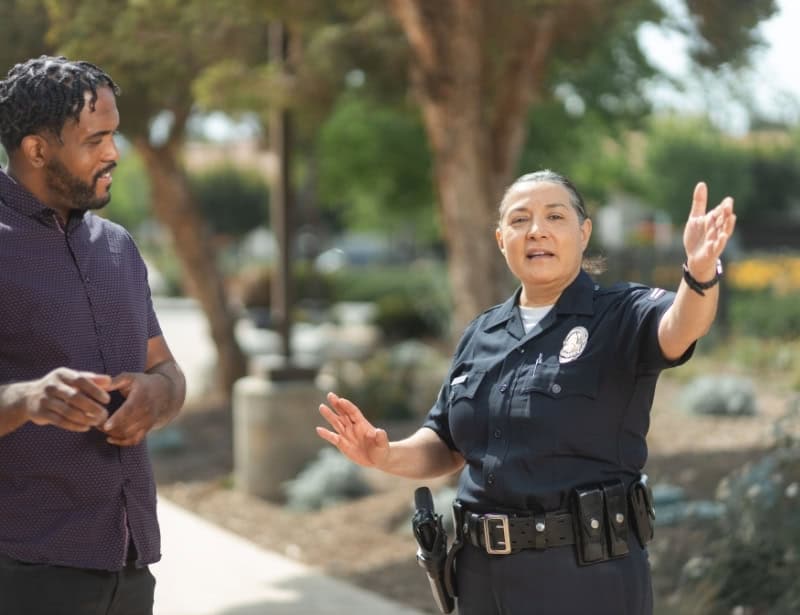
Professional excellence drives this annual celebration. Women officers show superior performance in key policing areas. Their documented effectiveness in de-escalation and community relations improves public safety outcomes.
Career awareness matters given recruitment challenges. Many qualified candidates never consider law enforcement as an option. But do they understand what modern policing actually involves?
Visibility through recognition efforts opens doors. This suggests real change in addressing misconceptions about policing careers.
Research backs up women's operational advantages. Female officers use force far less often than their male counterparts. Community trust ratings favor women officers across different demographic groups. These performance benefits extend beyond individual success to organizational effectiveness.
In practice, this day connects individual achievements to broader professional advancement. Success stories inspire potential recruits and demonstrate career possibilities. Recognition creates momentum for addressing structural barriers that limit women's participation in law enforcement leadership roles.
Core Statistics and Current Context
Today, women represent less than 14% of sworn officers nationwide. About 20% of recruit classes are female. The 30x30 Initiative documents these figures while working toward 30% female participation by 2030.
Geographic gaps reveal big challenges. About 40% of America's 18,000 law enforcement agencies employ zero full-time women officers. Zero. This gap affects rural and smaller urban departments more than others.
Leadership representation shows even starker numbers. Women hold just 3% of police chief positions. Oregon achieved 11% women officers in 2024, a state record that points to both progress and the work still needed.
Agency size relates strongly to female representation. Large departments show higher recruitment and retention rates for women officers. Smaller agencies struggle more with creating supportive environments and career development opportunities.
How Police Departments and Communities Observe the Day
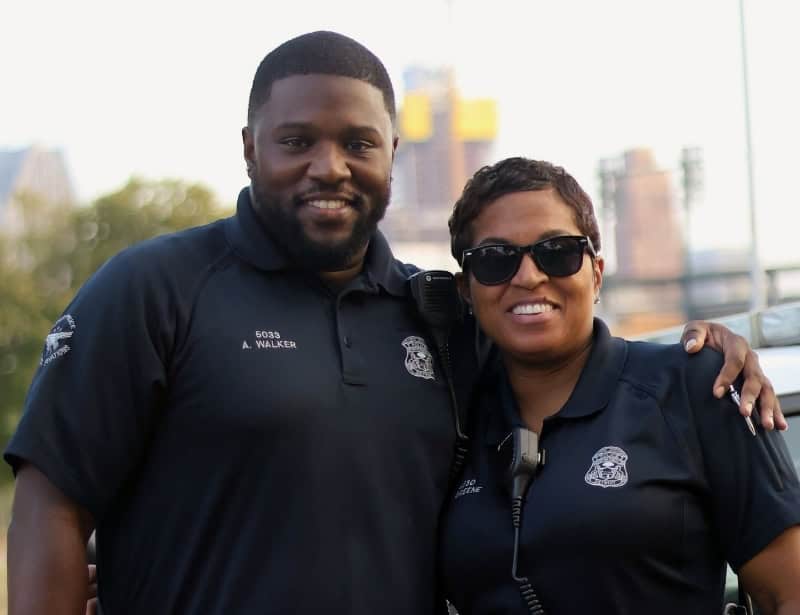
Departments and communities celebrate through different activities:
Recognition ceremonies spotlight individual achievements and career milestones. Award presentations acknowledge outstanding service while inspiring continued excellence.
Social media campaigns share officer stories and career paths across platforms. Departments post authentic profiles showing diverse experiences and advancement opportunities.
Community outreach events connect female officers directly with residents they serve. Interactive sessions build relationships and show accessibility.
Mentorship program launches pair experienced officers with newcomers seeking guidance. These relationships provide ongoing support beyond the observance day.
Career information sessions target potential recruits at schools and community centers. Direct conversations address concerns while providing realistic career pathway information.
Panel discussions feature women officers from different specialties sharing real experiences. Authentic storytelling provides insights into daily responsibilities and growth opportunities.
Training workshops focus on recruitment strategies and workplace development. Professional education supports both individual advancement and organizational culture improvement.
Awards presentations formally recognize exceptional contributions to public safety. Public recognition reinforces the value women bring to law enforcement operations.
Getting Involved and Taking Action
Local participation starts with direct police department contact. Ask about planned activities and volunteer opportunities that welcome community involvement. Many departments actively seek civilian support for recognition events and outreach efforts.
Social media engagement boosts awareness. Share officer profiles and department announcements using specific hashtags to expand reach beyond typical audiences. Personal networks create genuine support for recognition efforts.
Beyond this, workplace recognition activities support female colleagues currently serving in law enforcement. Organize appreciation events or facilitate professional development discussions that acknowledge their unique contributions and challenges.
Supporting women officer initiatives goes beyond single-day recognition. Research local organizations working on recruitment and retention programs where financial contributions and volunteer time make real differences in ongoing efforts.
What step will you take to champion women officers in your community? Consider connecting with departments about mentorship opportunities, attending recognition events, or advocating for policies that support professional advancement.
This relates to something important. Direct conversations with female officers provide valuable insights into their experiences and career perspectives.
Thoughtful questions about professional paths show genuine interest while building understanding of their contributions to community safety.
Honor other officers of the law by observing National Law Enforcement Appreciation Day every January 9. And if you want to celebrate more women in fields, save National Women Physicians Day and National Women In Science Day in your calendar.
Resources:
FAQs (Frequently Asked Questions)
Women remain scarce in most specialized police units based on Oxford's Policing journal research. The numbers tell a different story in UN peacekeeping operations, where women make up over 20% of officers. They're often assigned to community work and gender violence cases. Have we been overlooking their effectiveness in certain areas? Women get better results when handling sex crimes too. This suggests detective work in this area might have more female officers than other specialties.
The current research doesn't provide enough information to track this evolution properly. We'd need to gather additional historical data to answer this question accurately.
Departments with more women officers see real differences in policing outcomes. Editor Maria Chen@Police Chief Magazine found women use less force and make fewer minor offense arrests than men. They generate fewer complaints too. The Policing Institute notes communities trust women officers more, and they're better at defusing tense situations. Beyond this, CNN's analysis shows cities pay less in civil lawsuits when they employ more women officers. Female officers simply face fewer excessive force allegations.
Since 2010, growth in female officer numbers has slowed in most places worldwide. The global picture varies dramatically by region. Promotion discrimination ranges from just 14% in Eastern Europe to 45% in the US, according to Justice Programs research. Women make up between 5.1% and 28.8% of officers globally based on The Open University's 23-location review. Cultural barriers still block advancement compared to male colleagues. This suggests structural changes are needed across different policing systems to improve retention.
Barbara is a former journalist who is passionate about translating important causes into engaging narratives. She combines communication expertise with an environmental science background to create accessible, fact-driven content.
