National Historically Black Colleges and Universities Week

National HBCU Week typically happens every September. Presidents declare it officially each year. Dates vary in each state. The celebration honors 101 accredited Historically Black Colleges and Universities across America.
These schools shape higher education in ways that matter. Federal authority backs this recognition through the White House Initiative on Advancing Educational Equity; the Department of Education coordinates nationwide efforts. Presidential proclamations vary in timing, but they consistently affirm HBCU contributions.
This observance differs from other HBCU awareness periods throughout the year. Federal recognition carries weight in educational policy. The week celebrates institutional excellence while highlighting ongoing needs. Every president since 1980 has continued this bipartisan commitment.
Key Info: National Historically Black Colleges and Universities Week
- When is National Historically Black Colleges and Universities Week?
Occurs in the 2nd week of September - This Year (2026):
Monday 14th - Sunday 20th September 2026 (date has passed) -
Future Dates
- Monday 13th - Sunday 19th September 2027
- Monday 11th - Sunday 17th September 2028
- Monday 10th - Sunday 16th September 2029
- Monday 9th - Sunday 15th September 2030
-
Additional Details
- Observed By: HBCU institutions, students, educators, government agencies, corporations, and the general public across America
- Where Is It Observed: United States
- Primary Theme: Education and Cultural Heritage
- Hashtags: #HBCU #HBCUWeek #NationalHBCUWeek #HBCUExcellence #CelebrateHBCU
Quick Links: National Historically Black Colleges and Universities Week
Presidential Authority and Federal Recognition

Presidential proclamations create the formal framework for National HBCU Week. Every president since Jimmy Carter has continued this tradition. Carter's Executive Order 12232 in 1980 established the first federal HBCU initiative during intense advocacy from HBCU leaders.
The White House Initiative on Advancing Educational Equity operates under Department of Education oversight. This positioning ensures direct presidential engagement with HBCU leadership. The initiative now functions within the Executive Office of the President. The federal endorsement provides legitimacy that goes beyond symbolic recognition.
Presidential proclamations distinguish this observance from other HBCU awareness periods. Official federal backing opens doors to resources and partnerships. The annual proclamation process involves multiple federal agencies coordinating across cabinet-level departments.
President Reagan expanded the initiative despite campaigning against increased federal education funding. Interesting, considering his platform.
This whole-of-government approach addresses barriers that have persisted for decades. Cabinet-level departments coordinate opportunities across federal programs. Educational policy decisions increasingly reflect HBCU perspectives and needs.
September Timing and Annual Schedule
Since 2010, September timing typically falls during the second week. Presidential proclamations set exact dates each year. If none, it is usually published around September 21.
The proclamation process involves careful coordination between agencies. Current year dates require verification through official channels. This timing aligns with back-to-school momentum across higher education; September positioning maximizes visibility during peak enrollment periods nationwide.
National HBCU Month occurs separately during different periods. Other HBCU observances happen throughout the academic calendar. September timing strategically connects with federal budget cycles and congressional schedules.
National Significance and Educational Effect
HBCUs show real efficiency in educational outcomes. These institutions serve over 300,00 students despite representing only 3% of all higher education institutions. Black students who initially enroll in HBCUs show 14.6 percentage points higher degree completion rates. Graduates experience 5% higher household income around age 30.
The professional pipeline effect exceeds institutional size by far. According to the United Negro College Fund (UNCF), HBCUs produce 40% of all Black engineers, 40% of Black Congress members, 50% of all Black lawyers, and 50% of all Black doctors. These institutions also produce 80% of Black judges across the American legal system.
The economic effect reaches $16.5 billion nationally while supporting over 136,000 jobs. Individual institutions generate significant regional benefits. Miles College in Alabama alone generates $69.3 million in total economic effect.
STEM degree completion increases almost 9 percentage points among HBCU students compared to similar students elsewhere. That's a substantial gap.
Educational equity advancement remains central to HBCU missions. According to the Integrated Postsecondary Education Data System, over 85% of undergraduate students receive grant aid, and more than 60% are recipients of the Federal Pell Grant.
Official Conference and Participation Methods
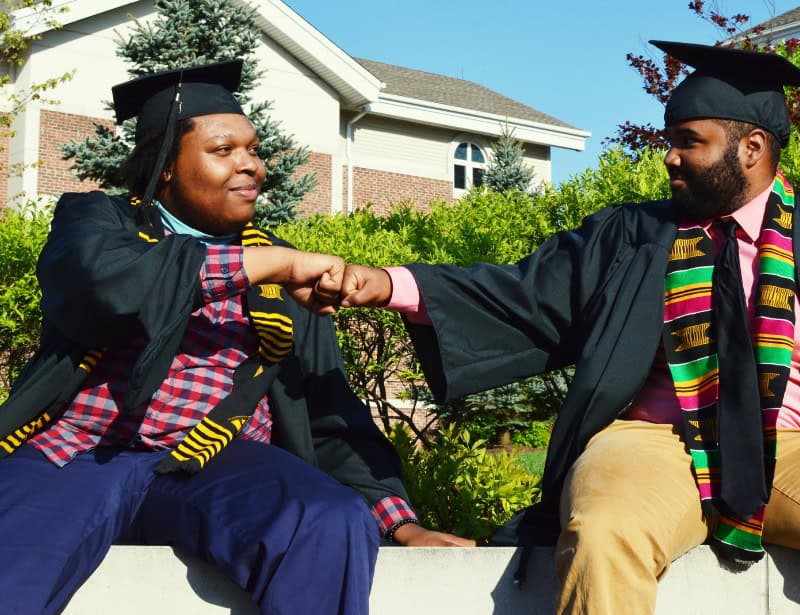
The National HBCU Week Conference serves as the premier annual convening. This event attracts approximately 3,300 stakeholders, including students, administrators, and policymakers. Programming spans six specialized tracks addressing contemporary challenges and opportunities and opportunities.
Recent conferences in Arlington and Philadelphia show growing federal engagement. Official participation methods include conference registration through Department of Education portals, career recruitment fair participation for federal agencies, and professional development workshop attendance across specialized tracks.
Networking sessions with institutional leaders and cabinet officials connect students directly with decision-makers. Federal agency meet-and-greet opportunities with hiring managers provide real pathways to employment.
The conference features 50+ specialized sessions annually. But here's the highlight: career fairs connect students with federal employment opportunities across multiple agencies. Research presentation and poster sessions showcase HBCU innovations while student leadership development programs create mentorship connections.
Community engagement extends beyond the conference itself. Institutional celebrations occur across campus communities nationwide. Local partnerships amplify awareness and support for HBCU missions through regional business connections.
Annual Themes and Institutional Advancement
Annual themes align with educational priorities and federal policy goals. Recent themes like "Raising the Bar: Forging Excellence through Innovation & Leadership" reflect current challenges facing higher education.
Theme selection connects individual institutional advancement to broader HBCU community progress. These frameworks guide programming decisions across the week-long observance. Federal support programs often align funding priorities with annual theme objectives.
Messaging focuses on excellence and opportunity rather than historical disadvantages. Excellence messaging counters misconceptions about HBCU capabilities and resources.
In practice, opportunity advancement highlights pathways for student success and institutional growth. This positive framing attracts broader support for HBCU initiatives from corporate partners.
Resources and Engagement Opportunities
Official information appears at sites.ed.gov/whhbcu throughout the year. Conference registration details become available months in advance through this platform. Federal agencies coordinate partnership opportunities and funding announcements through centralized resources.
Beyond this, ongoing support methods extend far beyond the observance week itself. Educational engagement opportunities continue year-round through federal programs and initiatives.
This suggests that sustained engagement proves more valuable than periodic attention for building genuine partnerships. Real partnerships take time.
Advance equality in other areas by also joining National Support Public Education Day and Black Breastfeeding Week.
Resources:
FAQs (Frequently Asked Questions)
Federal agencies work together on HBCU Week through formal groups like the Interagency Working Group. The Arts and Humanities Cluster brings together Education, Library of Congress, and both National Endowments as partners. Since 2020, the National Endowment for the Arts has offered direct grant funding with technical help sessions for applicants. They've also built ongoing relationships with HBCU leaders and created student internships that open career paths. These efforts come together at the annual National HBCU Week Conference. There, about 25 federal agencies provide information sessions and networking chances for college representatives. This practical protection of institutional connections helps more students benefit from federal resources.
Companies join HBCU Week in several ways that create mutual benefits. They sponsor conference events that increase visibility while providing crucial funding. Many set up recruitment tables to connect with talented students. Beyond this, businesses establish lasting partnerships with specific schools. Some offer matching funds that double the effect of federal grants. The White House Initiative makes these connections easier through their Corporate Scholars Program. They also arrange Agency-Corporation partnerships that bring government and business resources together. Today, over 50 major companies participate in these structured programs. This approach generates progress for both students and participating organizations.
President Carter created the White House Initiative on HBCUs in 1980 with Executive Order 12232. Every president since then has renewed and expanded federal support for these institutions. The program started with a focus on removing unfair barriers. It now emphasizes excellence and innovation while helping schools become more financially stable. Department of Education records show three main achievements over 43 years. First, HBCUs now participate more in federal programs, with funding increasing by about 30% between 2017-2021. Second, schools have stronger internal systems and leadership. Third, new public-private partnerships have opened more doors for students. The initiative found a permanent home in the Education Department, ensuring its work continues regardless of administration changes.
The National HBCU Week Conference adapted after 2020 to include digital access for more participants. The main conference now runs in a hybrid format. This means you can join sessions online, network with other attendees virtually, and access all resources through a digital platform. Virtual career fairs have become especially popular. They let students interview with employers without travel costs. Most presentations stream live, and recordings stay available after the events end. This clear connection between in-person and online experiences has increased participation by roughly 40%. Some schools now send both physical representatives and arrange group viewing sessions for students who stay on campus.
HBCU enrollment has grown significantly in recent years, but exact links to National HBCU Week remain hard to measure. The National Center for Education Statistics found some schools seeing application jumps of 30%. This relates more to broader trends than just the annual week of recognition. Several factors drive student interest: increased media coverage, endorsements from celebrities and public figures, and policy changes that affect financial aid. While National HBCU Week likely helps build awareness, it works as part of a larger ecosystem promoting these institutions. Student surveys suggest the conference's career fair component matters most to prospective applicants. Schools that actively participate in the week's events often report stronger recruitment numbers in the following cycle.
Barbara is a former journalist who is passionate about translating important causes into engaging narratives. She combines communication expertise with an environmental science background to create accessible, fact-driven content.