Korean American Day: Celebrating Heritage & Contributions

Korean American Day falls on January 13th every year. This federal recognition honors Korean immigration to America and celebrates what the community brings today. The date marks exactly when the first Korean immigrants arrived on American soil back in 1903.
President George W. Bush made it official in 2003. Congress backed it up through House Resolution 487 two years later.
Korean American Day stands apart from other Korean heritage celebrations. This specific date remembers those 102 pioneers who changed everything. Their story connects to 2 million Korean Americans living here now.
Key Info: Korean American Day
- When is Korean American Day?
Occurs annually on the 13th of January - This Year (2026):
Tuesday, January 13, 2026 (date has passed) -
Future Dates
- Wednesday, January 13, 2027
- Thursday, January 13, 2028
- Saturday, January 13, 2029
- Sunday, January 13, 2030
-
Additional Details
- Observed By: Korean Americans and communities throughout the United States
- Where Is It Observed: United States
- Primary Theme: Korean American Heritage and Contributions
- Hashtags: #KoreanAmericanDay #KoreanAmerican #AAPI #AsianAmericanHistory #KoreanHeritage #Immigration #January13
Quick Links: Korean American Day
The 1903 Foundation and Path to Recognition
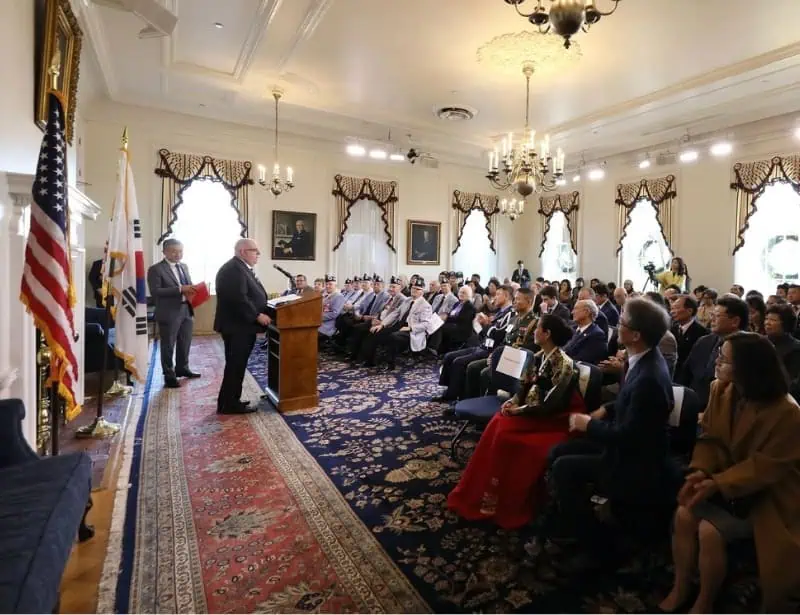
January 13, 1903, changed two countries forever. The steamship SS Gaelic carried 102 Korean pioneers into Honolulu Harbor: 56 men, 21 women, and 25 children. These folks came for work on Hawaii's sugar plantations. They brought dreams that stretched way beyond their few possessions.
Here's what happened next. These pioneers built communities that'd grow for generations. Churches went up first, then businesses. Their kids would serve in American wars with honor.
Timeline Integration:
First Korean immigrants arrive in Hawaii aboard SS Gaelic
President George W. Bush officially recognizes Korean American Day
Congressional formalization through House Resolution 487
President Bush's Presidential Proclamation 7638 said Korean Americans had "made invaluable contributions" to America's "rich cultural diversity, economic strength, and proud heritage". He called out their military service across multiple conflicts specifically. The proclamation strengthened US-Korea relations through cultural understanding.
Why Korean American Stories Matter Today
Korean Americans show success patterns you don't see everywhere. Education numbers tell the story. 60.7 percent hold bachelor's degrees or higher compared to 35.7 percent for all Americans. Among those 25 and older, 24.8 percent earned advanced degrees. Economic impact follows the education trend. Median household income reached $93,600 in 2023.
Military service connects Korean Americans to core American values across generations. Cultural bridge-building extends their influence beyond personal success. This suggests something deeper about what strong immigrant communities do for everyone.
Your Korean American Day Participation Guide
Make January 13th into real cultural connection:
- Learn Korean American history through museum exhibits or documentaries about that 1903 voyage.
- Support Korean American businesses—restaurants, markets, professional services matter.
- Attend community events hosted by local organizations.
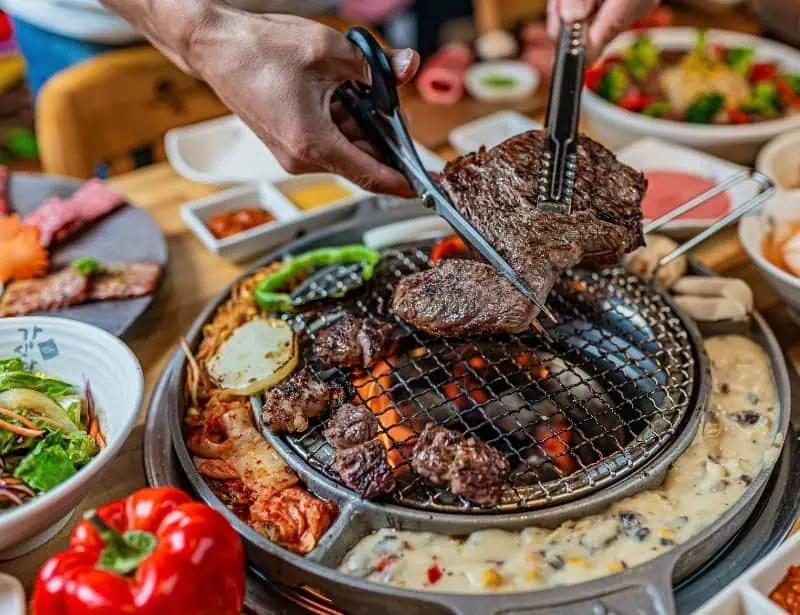
- Explore Korean food at authentic spots or try cooking traditional dishes.
- Visit Korean cultural centers for art, music, and historical exhibits.
- Share stories on social media about local Korean American contributions you discover.
- Connect with Korean American neighbors to learn their family stories.
- Read Korean American literature that explores immigrant experiences.
Celebrating Korean American Excellence Year-Round
Korean American Day starts conversations; it shouldn't end them. Support continues through choices you make throughout the year.
Korean American businesses strengthen local economies while keeping cultural traditions alive. Beyond this, engage with Korean cultural institutions past January; museums and community centers offer programming that deepens understanding year-round.
Since 2005, recognition works best when it becomes routine, not an annual ritual. Korean Americans contribute daily through scientific research, medical advances, and tech innovation. Year-round awareness honors their ongoing impact while building stronger communities for everyone.
For related events, celebrate International Migrants Day and Asian American and Pacific Islander Heritage Month.
Resources:
FAQs (Frequently Asked Questions)
Korean American Day marks when the first Korean immigrants stepped off ships in Hawaii on January 13, 1903. That's the key difference. Other celebrations focus on Korea itself - like Liberation Day in August when Korea broke free from Japan, or Korean War Veterans Day honoring military service. This day celebrates what Korean Americans built here in the US. It points to their impact on American communities, not events back on the peninsula.
Start with Korean community centers or churches in your area. Most major cities have Korean American Association branches that organize events. Korean restaurants often host special dinners too. Check universities with Korean student groups - they're active in LA, New York, Chicago, and the DC area. And many Korean-owned businesses put up displays or offer promotions.
Schools can invite Korean American speakers on January 13th. Students learn about the 1903 immigration story. Libraries set up displays with Korean American authors and immigrant tales. Organizations pass proclamations or team up with local Korean groups. The goal is authentic programming, not just surface-level cultural shows.
Yes, and the recognition keeps growing. California's Assembly passed Resolution 10 in 2025 making January 13th official. The Korea Economic Institute reports that states and cities nationwide have adopted it. Congress backed Korean American Day in 2005 with federal resolutions. This gives the day real weight beyond just community celebrations.
Absolutely. The day celebrates contributions to American society, so everyone can join respectfully. Visit community events. Support Korean American businesses on January 13th. Learn the immigration history - it connects to America's broader story. Korean cultural experiences welcome newcomers who approach with genuine interest.
Barbara is a former journalist who is passionate about translating important causes into engaging narratives. She combines communication expertise with an environmental science background to create accessible, fact-driven content.