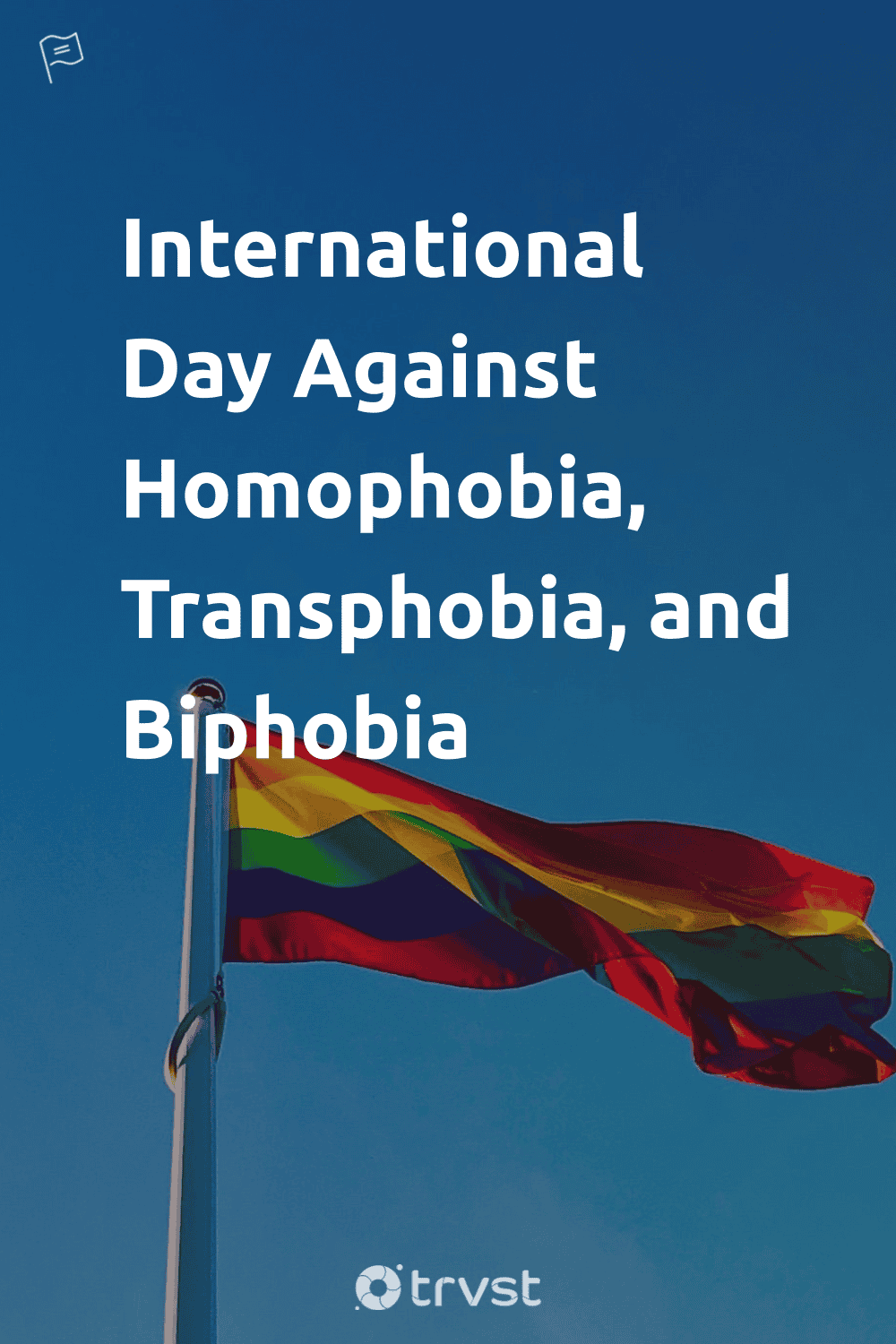
International Day Against Homophobia, Transphobia, and Biphobia
On May 17, 1990, the World Health Organization declassified homosexuality as a mental disorder. In honor of this milestone, International Day Against Homophobia, Transphobia, and Biphobia is being observed annually on the same date.
To ensure everyone can live with dignity, regardless of their diverse sexual orientations, gender identities or expressions, and sex characteristics, this day promotes awareness of LGBT rights violations and encourages interest in LGBT rights work. Read on to learn more.
Key Info: International Day Against Homophobia, Transphobia and Biphobia
- When is International Day Against Homophobia, Transphobia and Biphobia?
Occurs annually on the 17th of May - This Year (2026):
Sunday, May 17, 2026 (date has passed) - Official Website: May 17 Movement
-
Future Dates
- Monday, May 17, 2027
- Wednesday, May 17, 2028
- Thursday, May 17, 2029
- Friday, May 17, 2030
-
Additional Details
- Observed By: LGBTQIA+ communities, human rights organizations, governments, civil society, and allies worldwide
- Where Is It Observed: International
- Primary Theme: LGBTQIA+ Rights and Equality
- Hashtags: #IDAHOBIT #IDAHOTB #May17 #LGBTQIARights #EndHomophobia #EndTransphobia #EndBiphobia
Quick links: International Day Against Homophobia, Transphobia and Biphobia
What is Homophobia, Transphobia, and Biphobia?
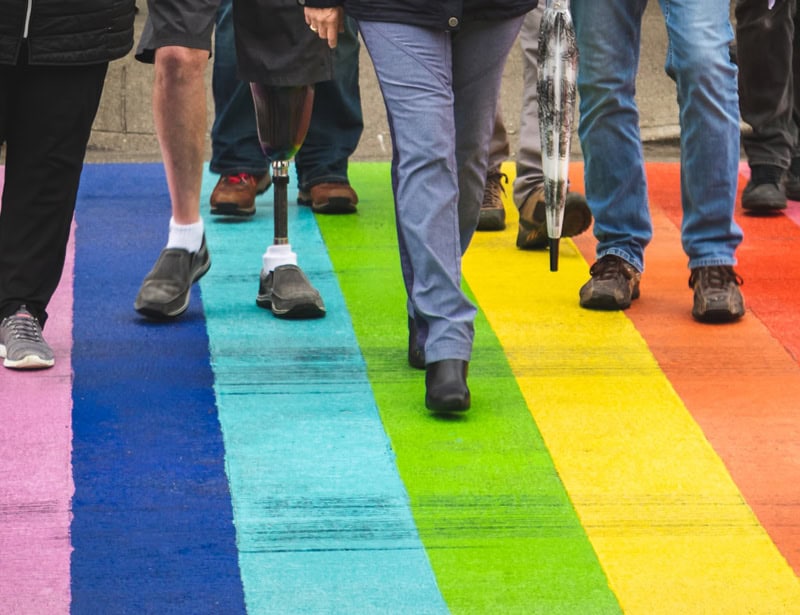
Homophobia refers to negative attitudes and actions against homosexuality, including subtle discrimination. It stems from prejudiced beliefs, lack of understanding, or refusal to accept individuals identifying as LGBTQ+. As a result, it affects one’s personal and professional life.
Meanwhile, transphobia is a strong bias against transgender individuals, manifested through fear and mistrust. Anti-trans discrimination can affect all areas of their lives, from work to healthcare. At worst, it can also lead to violence.
Finally, biphobia is the aversion towards bisexuality and bisexual individuals. Bisexual persons face discrimination from both heterosexual and LGBT communities. They may either deny bisexuality as a legitimate sexual orientation or engage in negative stereotypes.
Why the International Day Against Homophobia, Transphobia, and Biphobia Matters
Homophobia, transphobia, and biphobia violate fundamental human rights. LGBTQ+ people (which also includes intersex people) are statistically more vulnerable to depression and mental health issues due to the societal stigma and discrimination they face.
For instance, discriminatory laws, norms, and practices deny them their bodily autonomy and freedom of gender expression. They also suffer from hate crimes.
Moreover, LGBTQ+ youth rejected by their families are also at greater risk of suicide, as founded by The Trevor Project.
As championed by this awareness day, we must practice acceptance and understanding to combat these phobias and promote inclusivity.
Data and Statistics
In 2023, the International Lesbian, Gay, Bisexual, Trans, and Intersex Association reports that 53 countries, of which 27 are UN member states, still criminalize consensual same-sex sexual acts between adults. As for same-sex marriage, a total of 36 countries have legalized it in 2024.
From 2013 to 2023, the Human Rights Campaign Foundation identified 335 lives of transgender or gender non-conforming individuals who were lost to fatal violence in the U.S. Most of these victims were people of color and transgender women.
A European Union survey found that 36% of LGBTI people in Europe experienced discrimination in 2023. Sadly, 14% of them went through physical or sexual attacks in the last five years.
According to the Anxiety and Depression Association of America, LGBTQ individuals are 1.5 to 2.5 times more likely to battle depression and anxiety than the general population.
How to Avoid Homophobia, Transphobia, and Biphobia

- Educate yourself and others about LGBTQ+ history, culture, and issues. Awareness and understanding dispel myths and stereotypes that often lead to homophobia, transphobia, and biphobia.
- Practice empathy and respect for all individuals, regardless of their sexual orientation or gender identity. Use correct pronouns and names. Don’t make assumptions about someone's identity based on appearance or other characteristics.
- Challenge homophobic, transphobic, and biphobic language and behavior when you encounter them. You can explain why certain words or actions are harmful.
- Support policies and legislation that protect the rights of LGBTQ+ individuals. Vote for supportive policymakers, advocate for new policies, and join protests or campaigns.
- Foster open and inclusive spaces in your home, workplace, or community. You can help create safe spaces for LGBTQ+ individuals to express themselves where discriminatory behavior is not tolerated.
Brief Timeline of International Day Against Homophobia, Transphobia, and Homophobia
French academic Louis-Georges Tin first conceived the International Day Against Homophobia, Transphobia, and Biphobia (IDAHOT).
The IDAHO Committee managed the first International Day Against Homophobia.
The day earned official recognition in several countries, including the UK, Spain, Belgium, and Mexico.
The event expanded to International Day Against Homophobia and Transphobia (IDAHOT) in recognition and support for the transgender community.
The event further grew to the International Day Against Homophobia, Transphobia, and Biphobia, recognizing the unique struggles faced by the bisexual community.
The United Nations (UN) expressed support for IDAHOT, urging governments to uphold the rights of LGBT people.
The UN Human Rights Council passed resolution A/HRC/RES/32/2, supporting LGBT rights and indirectly endorsing IDAHOT.
The European Parliament supported IDAHOT, calling EU countries to do the same.
Over 130 countries celebrated IDAHOT, including 37 states where same-sex acts are illegal.
IDAHOT declared the importance of speaking out against homophobia, transphobia, and biphobia, protecting people from violence and discrimination based on their sexual orientation, gender identity or expression, and sex characteristics (SOGIESC).
IDAHOT focused on international solidarity and community and recognizes the impact of the COVID-19 pandemic on the global LGBT and intersex communities.
International Day Against Homophobia, Transphobia, and Biphobia Themes And Hashtags
| May 17, 2024 | No One Left Behind: Equality, Freedom, and Justice for All |
| May 17, 2023 | Together Always: United in Diversity |
| May 17, 2022 | Our Bodies, Our Lives, Our Rights |
| May 17, 2021 | Together: Resisting, Supporting, Healing! |
| May 17, 2020 | Breaking the Silence |
- #IDAHOTB
- #May17
- #StopTheHate
- #LoveIsLove
- #LGBTQrights
Share some of our pride quotes to help spread the message.
Conclusion
The International Day Against Homophobia, Transphobia, and Biphobia aims to raise attention to the ongoing discrimination and violence faced by the LGBTQ+ community. Through this day, we remind ourselves to build a world where everyone can live and love without fear of discrimination.
By advocating for marginalized communities, let us create a world that genuinely accepts and embraces all individuals.
Resources:
FAQs (Frequently Asked Questions)
It draws the attention of the media, the public, decision-makers, and opinion leaders to the discrimination and violence faced by LGBTQ+ individuals.
It is on May 17. On the same day in 1990, WHO removed homosexuality as a mental disorder.
You can join events, educate others about prejudice, and promote acceptance and equality.
We must create a safe and inclusive world for everyone, regardless of their sexual orientation or gender identity.
We must challenge stereotypes, advocate for equal rights for LGBTQ+ people, and show empathy and support for those facing discrimination.
Mike is a degree-qualified researcher and writer passionate about increasing global awareness about climate change and encouraging people to act collectively in resolving these issues.
Fact Checked By:
Isabela Sedano, BEng.