
Independence Day Cape Verde

July 5 marks freedom day across Cape Verde each year. This date ended Portuguese colonial rule in 1975. The celebrations look different across all ten islands, but they share the same heart. Cape Verdeans living abroad join in too, keeping their connection alive despite distance.
What makes this single day mean so much to people separated by oceans? At its core, Cape Verde Independence Day lets people reclaim their culture after centuries when colonizers tried to wipe it out.
The holiday ties Cape Verdeans together. Some parts feel solemn, others burst with joy. And through all this, you see what makes Cape Verde unique—its strength through hard times.
Key Info: Independence Day of Cape Verde
- When is Independence Day of Cape Verde?
Occurs annually on the 5th of July - This Year (2026):
Sunday, July 5, 2026 (date has passed) - Official Website: Government of Cape Verde
-
Future Dates
- Monday, July 5, 2027
- Wednesday, July 5, 2028
- Thursday, July 5, 2029
- Friday, July 5, 2030
-
Additional Details
- Observed By: Cape Verdean citizens, government officials, diplomatic corps, and diaspora communities worldwide
- Where Is It Observed: Cape Verde and International
- Primary Theme: National Independence and Cultural Heritage
- Hashtags: #CapeVerdeIndependence #IndependenciaCaboVerde #CaboVerde #CapeVerde #DiaDaIndependencia
Quick Links: Independence Day Cape Verde
Historical Journey to Freedom
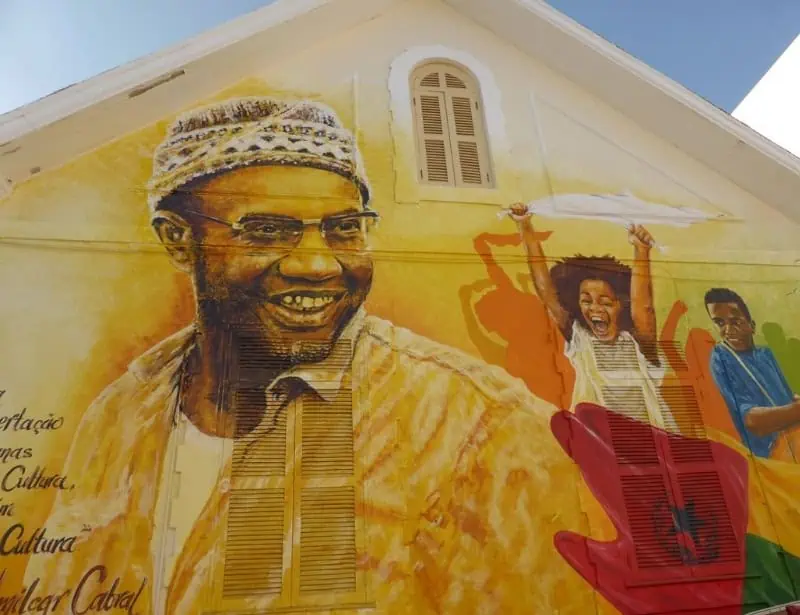
Cape Verde's push for independence took shape through organized resistance starting in the 1950s. Amílcar Cabral formed the African Party for the Independence of Guinea and Cape Verde (PAIGC) in 1956. Abel Djassi Amado's research shows how Cabral connected Cape Verde's future with Guinea-Bissau while still seeing their different colonial experiences[1].
Cape Verde mostly stuck to diplomatic paths. Guinea-Bissau fought directly against Portuguese forces.
When someone killed Cabral in January 1973, the whole movement nearly fell apart. His followers kept going, though. Then came the break they needed—Portugal's Carnation Revolution in April 1974. Once Portugal's strict Estado Novo regime collapsed, real talks became possible at last.
The Lisbon Agreement in December 1974 set up a temporary government. Freedom arrived right on schedule: July 5, 1975. Portugal officially recognized the new nation at one minute past midnight. After centuries of rule, Cape Verde stood on its own.
Timeline of Cape Verde's Path to Independence
PAIGC (African Party for the Independence of Guinea and Cape Verde) forms (headed by Amílcar Cabral) and resistance grows
Armed struggle in Guinea-Bissau (Cape Verde keeps to political resistance)
Amílcar Cabral assassinated in January 20
Portuguese Carnation Revolution in April creates opening
Cape Verde gains independence from Portugal
Brief unity with Guinea-Bissau
Split from Guinea-Bissau after coup
First free elections begin multi-party democracy
Official Celebrations in Cape Verde
In Praia today, Independence Day starts with flags at dawn. Military units stand at attention while the blue, white, and red national flag rises. Ten stars shine against the blue, each representing one island. Government officials gather for what they call the Solemn Session of the National Assembly. This session matters most among the formal events.
The President speaks about what Cape Verde has achieved since breaking free. Some citizens receive medals for their contributions to society. Beyond this, mayors across all inhabited islands run their own ceremonies at exactly the same time.
The whole day feels bigger than just a party.
Traditional Foods and Celebration Activities

Since 1975, cachupa rica has been the must-have meal every July 5th. This special stew mixes corn, beans, and various meats that simmer for hours. Families start cooking early, sometimes before sunrise. Grilled fish shows up on many tables, too—makes sense for island living.
Street vendors sell pastel, those fried pastries stuffed with tuna or chicken, to hungry celebration-goers.
Public concerts with traditional music kick off in the late afternoon. Everyone's welcome in the municipal squares. What makes these gatherings stand out from regular festivals? Visitors get pulled right into the action instead of just watching. No outsiders here.
Dancing keeps going well past midnight. Sometimes performances just happen spontaneously in neighborhood streets. When invited to someone's home celebration, bringing a small gift works well. Many towns organize sports competitions—football matches between villages draw the biggest crowds.
Cultural Celebrations Across the Islands
Each island puts its own stamp on independence celebrations. Santiago hosts the most formal ceremonies, featuring rhythmic batuque drumming. São Vicente turns independence into arts festivals—makes sense for the island that gave us Cesária Évora. Their musical focus runs deep, with residents joining music activities during the holiday.
Santo Antão does something different. They hike mountain trails to historic spots, then share community meals.
Sal and Boa Vista, the tourist favorites, make sure visitors understand why independence matters while keeping the beach parties going. Fogo often holds special ceremonies near their volcano. Dramatic backdrop.
Morna music plays everywhere across the islands. UNESCO recognized this tradition that captures "sodade"—that untranslatable Cape Verdean feeling of longing. Musicians play both old independence songs and new compositions.
Diaspora Celebrations Worldwide
Boston becomes Cape Verde's unofficial overseas capital each July 5th. The Cape Verdean Association there runs North America's biggest celebrations with street festivals lasting days. New Bedford made progress in 2022 when July became official Cabo Verdean Heritage Month after years of pushing for recognition.
Portuguese cities like Lisbon hold formal ceremonies that acknowledge their shared past. Rotterdam's Cape Verdean community puts on lively music festivals mixing traditional sounds with new beats.
Diaspora celebrations focus hard on keeping culture alive. Second-generation Cape Verdeans in Boston often lead these efforts. The "40 Under 40" program spotlights young professionals who balance business success with cultural preservation. Food stays central everywhere.
"This is more than heritage—it's our living identity," says Maria Silva, who organizes Boston's community events. Between 2020 and 2022, pandemic restrictions forced changes, including the impressive "Sodade Stream"—a 12-hour live broadcast connecting performers in Praia, Mindelo, and New England. These personal stories build emotional bridges across oceans and generations.
Symbols and Their Meanings

The Cape Verdean flag dominates July 5th imagery everywhere. Ten stars against a blue background represent the islands surrounded by ocean and sky. Red stands for struggle, white for peace. The national anthem "Cântico da Liberdade" (Song of Freedom) plays at all official events.
Traditional panu di tera textiles show up during celebrations too. These handwoven fabrics mean something deep—they've been used for funeral shrouds and dance costumes for generations. Their bright patterns tell stories without words.
Each independence symbol carries weight in a country where colonial rule once banned African cultural expressions. Together, they speak a visual language that even the youngest citizens understand.
How to Participate Respectfully
Want to join in? Several approaches work well. Go to public concerts and street festivals—they're open to everyone. Learn basic Kriolu phrases like "Bon dia" (good morning) and "Feliz dia di independência" (happy independence day).
Dress casually but modestly during daytime events. Evening concerts might need slightly nicer clothes.
This suggests supporting Cape Verdean businesses during your visit. Restaurants and craft shops particularly appreciate customers during this important holiday. Buy directly from local artisans for meaningful souvenirs. When invited to community meals, let hosts serve you according to their customs.
Take photos at public events freely. But ask before photographing individuals at private gatherings. Aim for genuine cultural appreciation. Real interest in Cape Verde's history makes for authentic experiences. No one likes a tourist who treats culture like a theme park.
Cape Verdean Identity and Independence
July 5th goes beyond remembering history. The holiday expresses national identity that keeps evolving across generations and geography. It connects Cape Verdeans worldwide through shared cultural touchpoints despite physical distance.
This celebration reflects Cape Verde's unique path. A nation once under colonial control now stands recognized for democratic stability and cultural strength.
The way people celebrate will keep changing while core traditions stay the same. The holiday looks backward at what's been achieved and forward to what's possible—just like Cape Verde itself.
Learn about another African country's path to freedom during Algerian Independence Day, held on the same day.
Resources:
FAQs (Frequently Asked Questions)
July 5th marks Cape Verde's Independence Day, right when tourist numbers peak. This timing works well for visitors wanting real cultural experiences. The holiday brings in more travelers, but this puts pressure on the islands. JSTOR Daily research points to problems with overcrowded facilities and strain on natural resources. The celebrations help cultural tourism grow, yet the islands need better ways to handle these large crowds without damage.
Social media shapes how Cape Verdeans mark their Independence Day. UNESCO found that 70% of people online use these platforms during national events. This connects with clear patterns in recent years. Back in 2019, social media helped gather around 10,000 protesters who wanted more local control, as the Open Government Partnership documented. Beyond this, the government uses Facebook for practical purposes - getting public input on budgets and starting conversations with citizens.
Tourists should join public events while learning a few Kriolu greetings first. This relates to showing genuine interest in local culture. Supporting small businesses helps the economy during celebrations. When invited to someone's home, bring a small gift - maybe coffee or something from your country. And always ask before taking photos of people or private gatherings. In practice, following local dress codes and behavior standards shows real respect.
Cape Verde tackles waste problems during big celebrations through its National Environmental Action Plan. Since 2004, this framework has guided how the country handles trash and pollution from large crowds. The government banned sand mining and requires environmental reviews before any major event. This suggests officials take protection seriously when planning Independence Day activities. Wildlife areas and beaches get special attention to prevent lasting damage from the festivities.
Today, Cape Verde works to make Independence Day open to everyone. Sign language interpreters stand at main stages during public speeches. The country's "Raising the Profile of Disability" project improved physical access at celebration venues. Decree-Law No. 9/2011 backs these changes by requiring public spaces to accommodate wheelchairs and other needs. In 2020, disability organizations helped design events with 34% more accessible features than previous years.
Sources & References
- [1]
- Amado, A. D. (2013). Whose Independence? Cabo Verdean-Americans and the Politics of National Independence of Cabo Verde (1972-1976). Journal of Cape Verdean Studies, 5(1), 36-53.
↩
Barbara is a former journalist who is passionate about translating important causes into engaging narratives. She combines communication expertise with an environmental science background to create accessible, fact-driven content.
