Black Breastfeeding Week: Understanding The Movement

Black Breastfeeding Week happens August 25-31 every year. Three advocates started this in 2013 with one clear goal: to address the massive gaps Black mothers face in breastfeeding support. It fits within National Breastfeeding Month but tackles something different entirely. These mothers hit barriers that create real health equity problems. The initiative builds connections while spotlighting what actually works.
Key Info: Black Breastfeeding Week
- When is Black Breastfeeding Week?
Occurs annually starting on the 25th of August for a week - Official Website: Black Breastfeeding Week
-
Future Dates
- Wednesday 25th - Tuesday 31st August 2027
- Friday 25th - Thursday 31st August 2028
- Saturday 25th - Friday 31st August 2029
- Sunday 25th - Saturday 31st August 2030
-
Additional Details
- Observed By: Black families, healthcare providers, community organizations, and breastfeeding advocates
- Where Is It Observed: United States
- Primary Theme: Breastfeeding Equity and Healthcare Access
- Hashtags: #BBW23 #BlackBreastfeedingWeek #BlackMaternalHealth #BreastfeedingEquity #BlackBreastfeeding
Quick Links: Black Breastfeeding Week
The Mission That Drives Everything
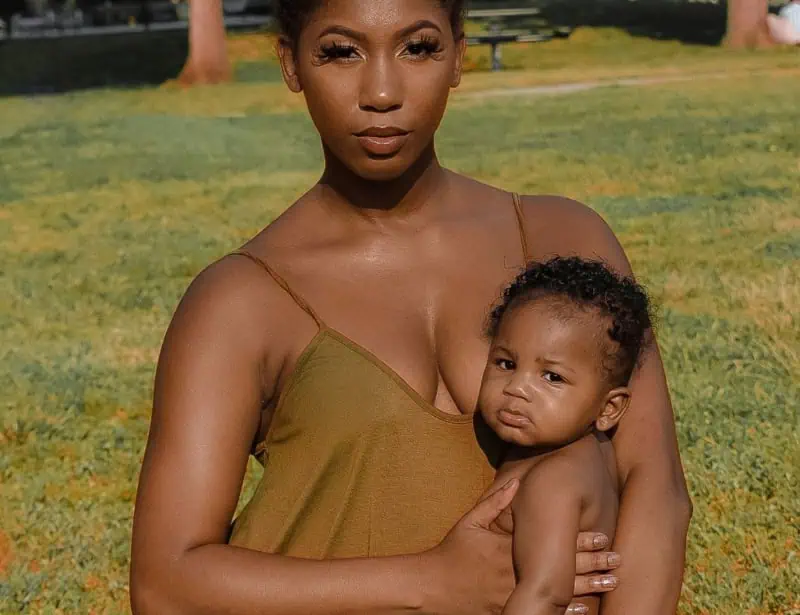
The founding advocates saw a disturbing pattern. Black women want to breastfeed at nearly identical rates to White mothers (87.2% versus 86.9%), but actual outcomes tell a completely different story.
These aren't personal choice issues; they're institutional failures. Only 69.4% of Black infants start breastfeeding compared to 85.9% of White infants. That's a 16.5-point gap.
Historical trauma runs deep here. During slavery, Black mothers served as wet nurses while their own children went hungry. It created mistrust toward medical institutions that persists today. Healthcare providers often give these mothers inadequate guidance. Economic pressures make things worse. Black women face higher poverty rates and work service jobs without breastfeeding support.
Beyond this, good intentions clearly aren't closing these gaps fast enough.
Timeline
Kimberly Seals Allers, Kiddada Green, and Anayah Sangodele-Ayoka establish Black Breastfeeding Week
First observance addresses awareness gaps during National Breastfeeding Month
U.S. Congress passes H.Res.1416 recognizing the week
International expansion with community-led programs across multiple countries
Three Women Who Changed Everything
- Kimberly Seals Allers brought award-winning journalism skills and deep policy knowledge to maternal health equity. Her writing amplifies these issues nationwide and cuts through bureaucratic noise.
- Kiddada Green founded the Black Mothers' Breastfeeding Association that connects mothers with resources and peer networks they can trust.
- Anayah Sangodele-Ayoka combined Yale nursing student rigor with lived experience. She co-edited "Free to Breastfeed: Voices from Black Mothers," bridging research with real-world applications.
Together they created what healthcare systems had missed entirely. A movement centering Black mothers' experiences while building support networks that last.
Your Path to Real Impact
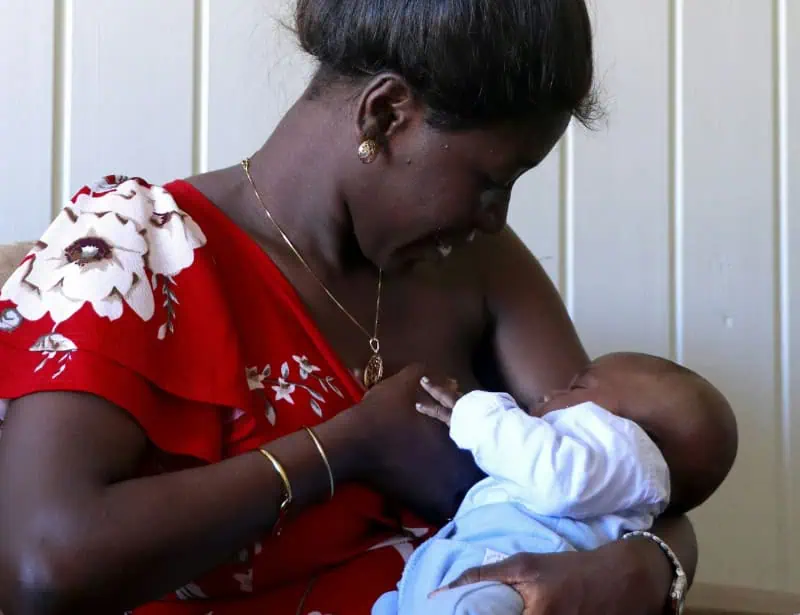
For Individuals and Families
Share stories using #BlackBreastfeedingWeek. Connect with local Black-led organizations; donate to programs that train doulas. Attend virtual events with maternal health experts who get it.
Healthcare Professionals
Examine your practice for cultural gaps. Partner with Black lactation consultants. Implement bias training that goes deeper than surface-level awareness.
Organizations
Check workplace accommodations for equity problems. Sponsor peer support programs. Feature Black advocates in educational content. Fund research addressing these disparities.
Community Members
Volunteer with Birth Center Equity or Mamatoto Village. Amplify mothers' voices through social platforms. Host events, connect families with competent care providers.
Core Messages That Actually Work
Health equity anchors everything during advocacy efforts. #BlackBreastfeedingWeek and #HealthEquityMatters build momentum through August, but the real work happens year-round.
Effective campaigns balance urgency with hope, not easy when addressing problems this entrenched. Research shows peer support significantly increases breastfeeding rates for Black participants.
Social media connects local action with national movements. This suggests lasting change needs consistent messaging beyond awareness periods. Authentic storytelling creates bonds that extend far past single-week campaigns.
Moving Forward After August
Since 2013, this awareness week has sparked ongoing commitment to maternal health justice. Organizations like the Black Midwifery Collective and Ancient Song Doula Services provide year-round volunteer opportunities that matter.
Real engagement moves past awareness toward actual change. Support flows through donations, advocacy, and consistently amplifying Black mothers' voices, not just during designated weeks.
Transformation requires daily choices supporting Black maternal health. The week plants seeds; lasting change grows through persistent action within communities.
Fight for health equity by also joining International Universal Health Coverage Day and International Day of Action for Women's Health.
Resources:
FAQs (Frequently Asked Questions)
Federal law gives all nursing mothers certain protections at work. The PUMP for Nursing Mothers Act requires employers to provide unpaid break time and a private, clean space for milk expression. This applies for a full year after giving birth. Black mothers face extra hurdles when using these rights, though. They work more often in low-wage jobs where these rules get ignored, according to ACLU research. When employers fail to provide these basic accommodations, workers can file complaints with the Department of Labor. The Public Health Law Center points to this as a key protection for all nursing mothers.
Low breastfeeding rates cost our healthcare system over $3 billion each year. CDC data shows this financial burden comes with serious health effects. Black infants get more ear infections and face higher SIDS risk when breastfeeding rates stay low. Today only 73.6% of Black mothers start breastfeeding at all – the lowest rate among all groups. This creates health gaps we could easily prevent. Boosting these numbers would cut both infant and maternal deaths while saving money. The effect goes beyond individual families to reshape public health outcomes for entire communities.
The Baby-Friendly Hospital Initiative works better than anything else we've tried. When hospitals adopt these practices, the effect is clear. One study showed Black breastfeeding rates jumped from 34% to 74% after implementation. Since 2010, southern states have used improved maternity care to close the gap between white and Black breastfeeding rates. This suggests hospital policies matter enormously. But community solutions help too. Black-led support groups and having Black lactation consultants generate trust. In practice, the most successful approaches combine clinical changes with community connections.
Providers need to understand Black maternal health history first. This means real cultural competency training, not just checking boxes. Working with Black doulas and lactation consultants makes a genuine difference in comfort levels. When scheduling, flexibility matters – rigid appointment times often create barriers. Remote support options help mothers who face transportation challenges. And providers must recognize how generations of healthcare trauma affect trust. Support should start before birth, continue in the hospital, and extend well into the postpartum period. This connects mothers with resources when they need them most.
Barbara is a former journalist who is passionate about translating important causes into engaging narratives. She combines communication expertise with an environmental science background to create accessible, fact-driven content.