Major Changes to New York’s Freshwater Wetlands Regulations Take Effect
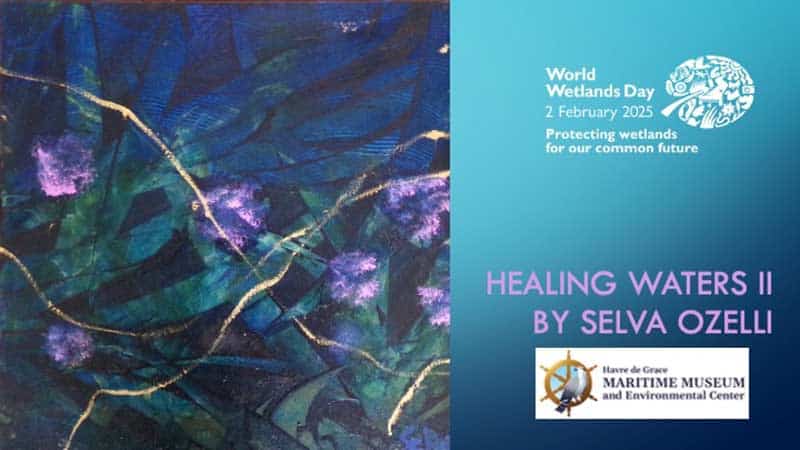
World Wetlands Day is celebrated on February 2, 2025, all around the world with the theme, “protecting wetlands for our common future.” I joined the celebration with three art shows, Healing Hudson, and Healing Waters 1 & 2 this year at Ramsar.org.
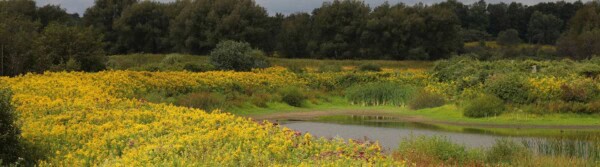
Freshwater wetlands are lands and submerged lands—commonly called marshes, swamps, sloughs, and bogs—that support aquatic or semi-aquatic vegetation. Protecting freshwater wetlands is essential for preserving biodiversity, as wetlands provide critical habitats for numerous plant and animal species.
In New York, last year’s World Wetlands Day arrived with more cause for concern than celebration. It was the first event since the Supreme Court’s ruling in Sackett v. Environmental Protection Agency back in May 2023, which redefined the Waters of the United States in ways that left wetlands vulnerable for federal wetland protection.
This year, World Wetlands Day was celebrated in New York with a renewed commitment to implementing amendments to the Freshwater Wetlands Act that passed in 2022 as part of the state’s 2022-2023 enacted budget and took effect at the beginning of 2025, ahead of World Wetlands Day.

The new rules will safeguard an estimated one million additional acres of the Hudson River Estuary watershed wetland habitat roughly doubling the acreage of state-regulated freshwater wetlands in New York by 2028. This was the first major amendment to the state’s Freshwater Wetlands Act since its passage in 1975.
“Protecting freshwater wetlands is critical to the health of New York’s natural environment, helping protect communities from flooding through natural resiliency and creating habitats for fish and wildlife,”
the New York State Department of Environmental Conservation (NYSDEC) Interim Commissioner Sean Mahar said.
“The updated regulations include additional guidance to ensure the long-term health of these vital ecosystems, which provide economic and ecological benefits to communities across the state”,
Mahar added.
These amendments include:
1. The NYS Freshwater Wetlands Maps no longer limit regulatory jurisdiction to wetlands depicted on those maps. New informational maps of freshwater wetlands are available through the NYS GIS Clearinghouse using new technology for remote mapping.
2. Wetlands meeting the freshwater wetland definition and state jurisdictional criteria for protection are regulated by NYSDEC and subject to permitting. The draft permit can be found on DEC’s Freshwater Wetlands General Permit website. The Freshwater Wetlands General Permit (GP-0-25-003) would be for a five-year term to allow for the repair, replacement, or removal of existing structures and facilities; construction or modification of various residential, commercial, industrial, or public structures; temporary installation of access roads and laydown areas; cutting trees and vegetation; drilling test wells; and routine beach maintenance and replenishment in areas under DEC jurisdiction.
3. Small wetlands of "unusual importance" are regulated if they meet one of 11 established criteria listed in the amended Freshwater Wetlands Act and set out in the new regulations.
4. A revised streamlined wetlands classification system is in effect.
5. NYSDEC is administering a process for the public to request and appeal jurisdictional determinations.

The NYSDEC will “continue to work closely with property owners and developers to ensure the implementation of these updated regulations balance environmental protection and economic and renewable energy development,” Mahar said.
You may find the final regulations and additional resources, including maps and information, on NYSDEC’s website.
Selva Ozelli Esq, CPA is a legal and finance executive with diversified experience dealing with highly complex issues in the field of international taxation and related matters within the banking, securities, Fintech, alternative and traditional investment funds. Her first of its kind legal analyses involving tax laws, Foreign Corrupt Practices Act (FCPA), blockchain technology, solar technology and the environment and have been published in journals, books and by the OECD. Her writings have been translated into 15 languages.
