Interview: Dr. Roisin Commane, Associate Professor of Earth and Environmental Sciences at Columbia University
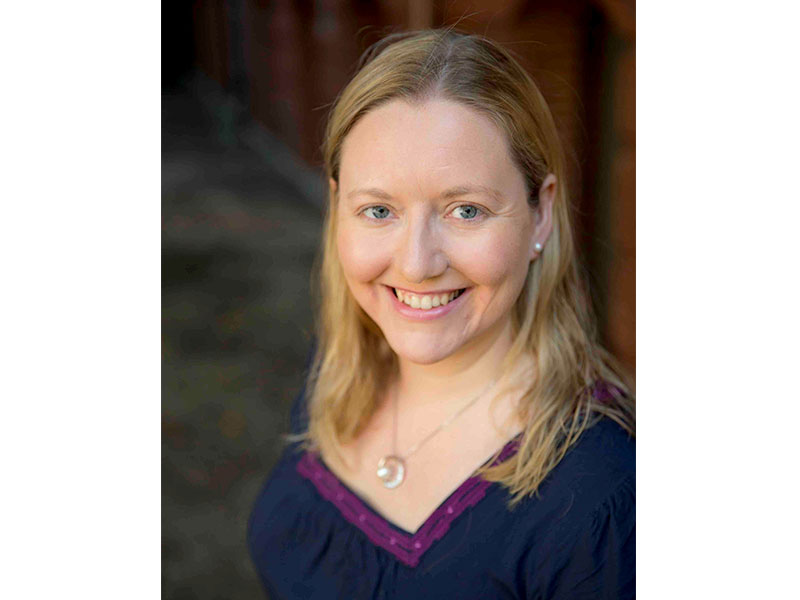
Dr. Roisin Commane is an atmospheric chemist and Associate Professor of Earth and Environmental Sciences at Columbia University, where she is also affiliated with the Lamont-Doherty Earth Observatory.
She earned her PhD in Atmospheric Chemistry from the University of Leeds in 2009 and completed post-doctoral research at Harvard University before joining Columbia.
Her work in climate tracking earned her a spot on Science News Magazine's "10 Scientists to Watch" list.
Her research focuses on measuring the exchange of greenhouse gases and trace gases between the Earth's surface and the atmosphere.
Urban emissions: She leads the development of a high-resolution tracking network around New York City to detect and map localized leaks of carbon dioxide and methane from infrastructure, such as landfills, aging pipes, and wastewater treatment facilities.
Arctic studies: Her fieldwork extends to measuring carbon fluxes and methane release from remote environments like the Alaskan and Canadian Arctic permafrost.
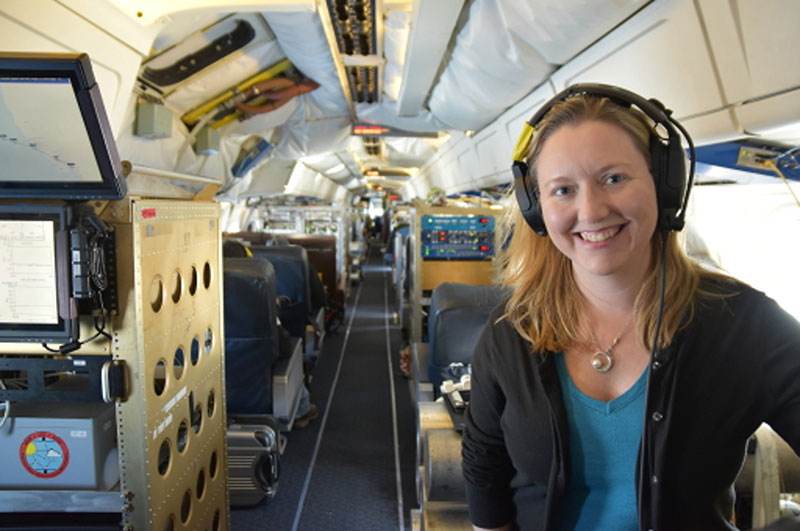
Global flight missions: Dr. Commane has served as a co-investigator on major airborne science projects, including NASA's Atmospheric Tomography Mission (ATom), collecting profile data on background trace gases across global oceans via specialized aircraft.
1. Tell us about your journey to becoming an atmospheric chemist.
I did a degree in chemistry and applied math. I was job hunting when I found a cool sounding job that turned out to be a PhD program. After my PhD in atmospheric chemistry, I moved into carbon cycle science.
2. Did you have a role model who inspired your career choice
No. I kind of fell into the field. But there are many great researchers that I look up to now.
3. Tell us about the air quality in NYC
Air quality is the label we use for a lot of different gases and aerosols. New York City is one of the largest CO2 and methane emitters in the world. It was also one of the most polluted cities in winter-time for sulfur dioxide and particulate matter until about 2015, when the city banned high sulfur fuel oil. Now we mostly have summer-time pollution with high ozone events.
4. During the 2023 Canadian wild fire season the NYC skies turned orange to brown, and I had a tough time breathing tell us why
Wildfires contain small particles (also known as aerosols) that make breathing difficult, and the smaller the particles, the more easily they can cross into your blood stream and increase the chances of heart attacks and stroke. Throughout summer 2023, fires burning in Ontario, Canada caused plumes of smoke that extended across the US.
During one particularly unlucky event in 2023, the plume arrived in New York City. Initially, the plume was orange and full of what we call brown carbon and then it became more grey with black carbon.
5. Which large cities in the world have polluted air and why? What are the elements that contribute to this outcome?
The worst global air quality these days is from cities where the winds are trapped and can’t bring the pollution away, especially if they burn wood. Cities impacted by fires are also very polluted. Cities like those in northern India, northern Italy, high altitude cities like Mexico City or Santiago, Chile are all quite polluted.
6. Your research sits at the critical intersection of greenhouse gases and air quality. Tell us about the greening initiatives in NYC, please.
Overall, 23% of the land areas of New York City contain trees and grasses. These trees provide shade and cooling but the city still has an urban heat island effect of greater than +13F. The large number of trees also provide a co-benefit that they take up CO2 emitted in the city. On a sunny summer day that isn’t too hot, the trees can absorb all the CO2 emitted from traffic. But the type of trees is also important for air quality. Some trees like oak and sweetgum emit a chemical called isoprene that can mix with nitrogen oxide pollution from cars to make ozone, which is a toxic pollutant. There are plans to expand the number of trees in NYC to address urban heat island impacts but our work shows that it’s important to choose the tree type carefully so we don’t make the air quality worse.
7. For the International Day of Clean Air for blue skies, the 2026 theme is “Clean Air, Healthy Choices: Acting Together for People and Planet”. Tell us how individual decisions, urban planning, and collective investments in cleaner energy and transit directly impacts air quality.
During COVID we found that New York City emits less pollution from vehicles than we expected. So, while we need to electrify the vehicle fleet, we also need to reduce other pollution sources. The largest source of pollution in NYC is from the burning of fossil fuels to heat or cool buildings. So we need to electrify space heating and cooling. That will be difficult to do if you rent your apartment but you can advocate for changes in the city laws in your area.
8. Anything else you would like to add
My current research is focused on understanding the sources of methane in cities. We see a lot of methane from natural gas in New York City and much of it has not been burned fully. The pollution that is released from the incomplete combustion of natural gas can be quite toxic so we need to know where it’s coming from so we can reduce it.
I’m also concerned about indoor air quality while we try to make buildings more energy efficient. If we seal up buildings, we need to ensure that the air inside is safe to breathe, so we can’t seal up buildings while still burning natural gas or propane.
Glossary Terms:
Selva Ozelli Esq, CPA is a legal and finance executive with diversified experience dealing with highly complex issues in the field of international taxation and related matters within the banking, securities, Fintech, alternative and traditional investment funds. Her first of its kind legal analyses involving tax laws, Foreign Corrupt Practices Act (FCPA), blockchain technology, solar technology and the environment and have been published in journals, books and by the OECD. Her writings have been translated into 15 languages.