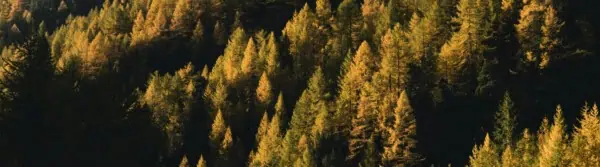
International Day Of Forests: Why Every Tree Matters

Global forests cover around 4 billion hectares or a third of all land on Earth. March 21 marks International Day of Forests, designated by the United Nations in 2012 through General Assembly resolution A/RES/67/200.
Countries worldwide organize tree planting campaigns and awareness activities. The UN Forum on Forests coordinates this global observance with the Food and Agriculture Organization. Forest health connects directly to climate stability. And biodiversity protection.
March 21 aligns with the vernal equinox in the Northern Hemisphere and the autumnal equinox in the Southern Hemisphere. The date symbolizes the balance between seasons and forest renewal cycles across both hemispheres simultaneously.
Key Info: International Day of Forests
- When is International Day of Forests?
Occurs annually on the 21st of March - This Year (2026):
Saturday, March 21, 2026 (date has passed) - Official Website: Food and Agriculture Organization (FAO)
-
Future Dates
- Sunday, March 21, 2027
- Tuesday, March 21, 2028
- Wednesday, March 21, 2029
- Thursday, March 21, 2030
-
Additional Details
- Observed By: UN member states, environmental organizations, governments, and forest communities globally
- Where Is It Observed: International
- Primary Theme: Forest Conservation and Sustainable Management
- Hashtags: #InternationalDayofForests #Forests #ForestConservation #SustainableForestry #Biodiversity #ClimateAction #FAO #UNForests
Quick Links: International Day of Forests
Why International Day of Forests Actually Matters
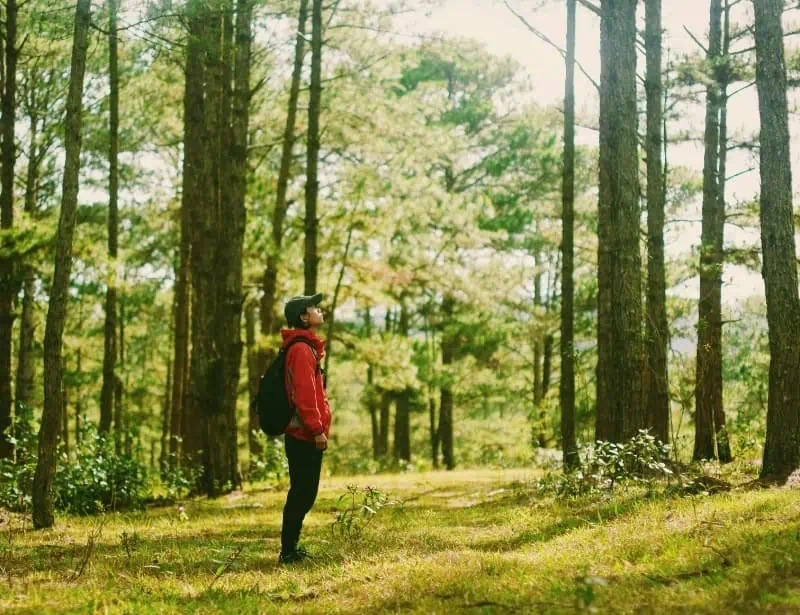
Photo by Dongdilac on Pexels.
The UN created this observance to raise global awareness of the value of forests and the threats they face. This points to the Sustainable Development Goals and climate action frameworks. Without coordinated awareness, forest protection lacks political momentum. And no momentum means no meaningful change.
Forests face serious challenges, though progress shows in the data. Deforestation rates dropped from 17.6 million hectares annually in the 1990s to 10.9 million hectares today. But forest loss still outpaces restoration in critical regions. Why does this gap persist?
These ecosystems regulate climate, protect biodiversity, and support 1.6 billion people worldwide. Forest Trends research shows that Indigenous-led forest projects demonstrate local stewardship as the most effective conservation path.
This relates to a broader truth. Global awareness drives policy changes forests desperately need. Local action makes those changes stick.
Establishment and Origins
The UN General Assembly adopted the International Day of Forests resolution on November 28, 2012. The first official observance occurred on March 21, 2013. This was built on decades of earlier forest advocacy efforts.
FAO members established World Forestry Day in 1971 at their 16th Conference. The Center for International Forestry Research launched Forest Day in 2007. These earlier initiatives proved that forests needed dedicated international attention.
Since 2013, the Collaborative Partnership on Forests has supported implementation in collaboration with the UN Forum on Forests and the FAO. This partnership ensures that coordinated messaging reaches the largest audiences across continents and communities.
Timeline
FAO members establish World Forestry Day at 16th Conference
CIFOR launches Forest Day
UN General Assembly adopts International Day of Forests resolution
First official global observance
The Importance of March 21
March 21 represents perfect seasonal balance. Spring begins in the Northern Hemisphere while autumn starts in the Southern Hemisphere. This timing connects naturally to forest renewal cycles and global interconnection.
Fixed annual dates enable powerful worldwide coordination. Organizations plan campaigns months ahead. Media coverage aligns globally. The spring timing in northern regions aligns with the tree-planting season, when environmental awareness peaks.
This date choice reinforces forest protection as a universal priority transcending borders and seasons.
Annual Themes and Focus Areas
Each year, the UN Forum on Forests announces a targeted thematic focus. Organizations worldwide adapt these themes for local March 21 activities. This creates both global unity and regional relevance through strategic messaging opportunities.
Educational campaigns focus on specific forest benefits or conservation challenges. Community events align with global themes but address regional forest issues.
What forest challenge needs attention in your area? Annual themes help connect global awareness to local action through practical engagement. FAO provides official theme resources through its forest portal, enabling coordinated campaigns across continents.
| 2026 | Forests and Economies |
| 2025 | Forests and Food |
| 2024 | Forests and Innovation |
| 2023 | Forests and Health |
| 2022 | Forests and sustainable production and consumption |
Five Ways to Mark March 21
Plant a Tree or Support Forest Restoration
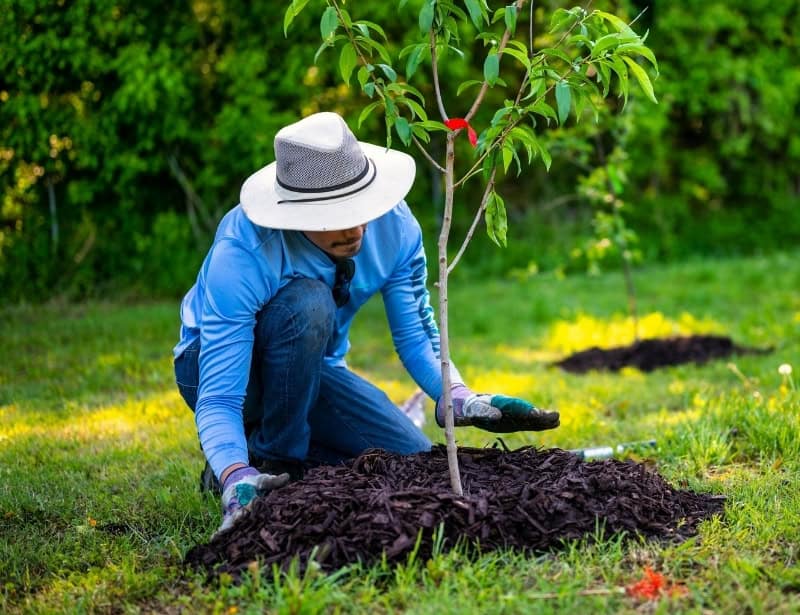
Plant native trees in your yard or join community planting events. Young forests capture carbon 32% faster than previously estimated. Single trees create measurable environmental change over decades through carbon storage and habitat creation.
Visit a Local Forest or Park
Experience forests firsthand through trail walks, wildlife observation, or forest bathing practices. Take photographs to share the beauty of the forest with your networks and inspire others to connect with nature.
Share Forest Facts on Social Media
Use official hashtags to join global conversations. Share statistics about carbon storage, biodiversity benefits, or local forest health. Educational posts raise awareness among your existing networks and beyond.
Watch Forest Documentaries or Read About Forest Science
Learn about ecosystem functions, Indigenous stewardship practices, or restoration techniques. Knowledge builds appreciation and helps inform better conservation decisions in daily life choices.
Contact Representatives About Forest Policies
Advocate for protection legislation and conservation funding. Political action creates systemic change that individual efforts cannot achieve alone. But individual voices make political action possible.
How Organizations and Communities Can Participate
Schools integrate forest education into March 21 curricula through ecosystem exploration, carbon cycle studies, and conservation career spotlights. Field trips to nearby forests provide hands-on learning that textbooks simply cannot match.
Corporations align forest observance with sustainability goals through employee engagement programs. Tree planting events, educational workshops, and expert speakers demonstrate real environmental commitment. Many companies sponsor restoration projects and partner with conservation organizations.
Municipalities organize official commemorations, community forest walks, and citizen science projects. Local governments announce forest protection policies or urban canopy expansion plans during the March 21 events. This timing maximizes public attention and support.
Beyond this, partnership opportunities exist with forestry organizations, environmental groups, and Indigenous communities practicing traditional forest stewardship methods.
Relationship to Other Forest Observances
International Day of Forests operates as the primary global UN observance. Arbor Day represents national or regional tree planting traditions. These observances complement rather than compete with each other.
Many countries maintain traditional Arbor Day celebrations alongside March 21 activities. Global awareness and local action both prove essential for complete forest conservation efforts.
Regional forestry awareness days provide additional opportunities for education and community engagement throughout the year.
Looking Forward
March 21 creates annual momentum for global forest awareness. Millions participate worldwide through tree planting, education, and advocacy activities. This collective action demonstrates forest protection as a shared human priority.
Harvard climate scientist David Keith warns that while forest solutions matter, they cannot replace emissions cuts as our primary climate strategy. This suggests that March 21 awareness must drive complete environmental action, not just tree-focused initiatives.
Mark your calendar for March 21 and plan your forest observance activity. Share your commitment with others in your community. Visit fao.org for official campaign materials and educational resources.
International Day of Forests provides the catalyst. Forest stewardship requires sustained year-round engagement and action.
For more tree-loving events, celebrate National Love a Tree Day and International Day for the Conservation of the Mangrove Ecosystem.
Resources:
FAQs (Frequently Asked Questions)
International Day of Forests happens March 21 worldwide—it's the UN's global forest awareness day. Arbor Day moves around. The US does last Friday in April, but other countries pick dates that work for their planting seasons. Here's the real difference: International Day focuses on big forest issues and education campaigns. Arbor Day gets people outside actually planting trees. Many towns do both. One gives you the global picture on a fixed date. The other gets your hands dirty when trees will actually survive.
The Food and Agriculture Organization (FAO) picks the theme each year. For 2026 it's "Forests and Economies"—the Collaborative Partnership on Forests selected this one. Your best bet is the FAO website and UN channels for official stuff. They post themes, graphics, and event guides there. The FAO's International Day portal has everything organized. Skip the knockoff sites and go straight to the source.
Yes, and it's pretty straightforward. The FAO wants to hear about your events. Email [email protected] with your activity details. They also collect photos for their global gallery—shows the worldwide impact. Some bigger coordinated events need formal registration. But for most activities, just letting them know helps build the participation numbers.
March 21 is the equinox—equal day and night globally. This creates balance between hemispheres. Northern areas get spring planting season while southern regions have autumn reflection time. Both can participate meaningfully. The date dodges major holidays and other UN observances. It also builds momentum before Earth Day in April and World Environment Day in June. Fixed dates help schools and organizations plan years ahead.
The UN Forum on Forests coordinates everything with shared themes and messaging frameworks. Countries adapt these to their local forest challenges. On March 21, nations report their activities through UN channels—creating a real-time global view of forest action. Social media hashtags connect participants worldwide. People in Kenya can see what's happening in Canada instantly. The FAO compiles annual reports showing total participation, trees planted, and educational reach. This creates measurable global unity while respecting local forest needs.
Barbara is a former journalist who is passionate about translating important causes into engaging narratives. She combines communication expertise with an environmental science background to create accessible, fact-driven content.
