Capture the Sunset Week: A Global Celebration of Nature's Daily Show

The third week of July marks something special that we see every day. Capture the Sunset Week turns every day twilight into a doorway for conservation awareness and nature appreciation. It has no verifiable origin, but it gives a chance to slow down and be one with our surroundings. Some folks just watch, others bring cameras—both work just fine.
When people watch sunsets, something changes in them. This connects folks from all walks of life to the land around them. Science agrees that moments like this cut stress hormones.
Ever noticed how sunset colors tell you something about the air where you live? That's the point. These natural moments build environmental awareness through beauty, not warnings or guilt trips. And having a full week gives everyone a chance despite weather problems.
Key Info: Capture the Sunset Week
- When is Capture the Sunset Week?
Occurs in the 3rd week of July - This Year (2026):
Sunday 19th - Saturday 25th July 2026 (date has passed) -
Future Dates
- Sunday 18th - Saturday 24th July 2027
- Sunday 16th - Saturday 22nd July 2028
- Sunday 15th - Saturday 21st July 2029
- Sunday 21st - Saturday 27th July 2030
-
Additional Details
- Observed By: Photography enthusiasts, nature lovers, and environmental advocates worldwide
- Where Is It Observed: International
- Primary Theme: Nature Photography and Environmental Appreciation
- Hashtags: #CaptureTheSunset #SunsetWeek #NaturePhotography #SunsetPhotography #ShirleyHeinzeLandTrust
Quick Links: Capture the Sunset Week
When and How to Join In
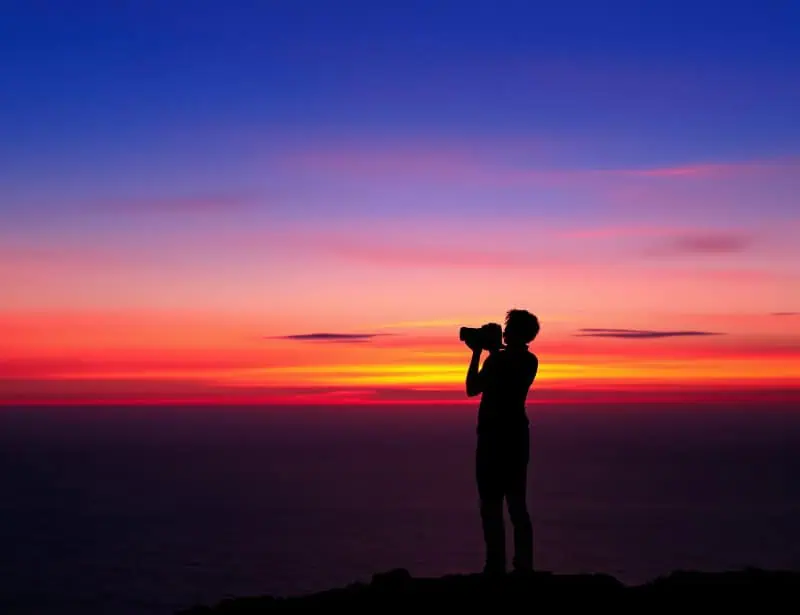
This celebration happens during July's third full week each year, which is in the middle of summer vacation. This timing builds anticipation, but also—let's be honest—the week-long format means you'll probably catch at least one good sunset despite weather issues. Participants range from serious photographers with expensive gear to families just looking for an excuse to go outside.
Ways to participate with a camera:
- Get to natural areas about 30-45 minutes before sunset for the best light
- Use your phone's horizon-leveling feature if it has one
- Try photographing the same spot throughout the week to see daily changes
- Include landscape features that show what's worth protecting
- Experiment with tree silhouettes against the colored sky
Digital options if you can't join events:
- Post your images using the event hashtags and pair them with sunset quotes
- Join virtual sunset-watching events
- Compare your sunset photos with your long-distance friends
What It All Means

Sunset appreciation works as a foundation for deeper environmental understanding. Edward Byrne, who photographs for Indiana Dunes Journal, puts it this way: "I resign myself again to a lack of language, mere words paired with scenery, effective enough to eloquently capture the experience." This wordless appreciation often leads to real protection efforts.
Beyond just looking pretty, sunset photography provides critical evidence of ecological change. Pictures of threatened landscapes create "affection and urgency" in communities. This emotional connection motivates conservation action better than reports filled with statistics.
The main themes—appreciating natural beauty, raising environmental awareness, practicing mindfulness through observation, and building community—create a base for lasting engagement.
Looking Forward: Making a Difference
Capture the Sunset Week turns passing beauty into lasting conservation impact. Visual documentation strengthens protection for vulnerable places through both emotional connection and scientific evidence.
Steps for your next sunset week:
- Mark your calendar for July's third week
- Find spots with western views and natural significance
- Get your camera ready—even a smartphone works fine
- Learn about local conservation challenges
- Share your images and explain why they matter
These shared sunset moments remind us that nature's displays deserve our protection. Individual appreciation becomes group action; brief beauty demands lasting conservation. These golden moments inspire us to save the landscapes that make such experiences possible for future generations.
Resources:
FAQs (Frequently Asked Questions)
Set your camera to f/8-f/16 aperture for sharp landscapes. Keep ISO between 100-400 to avoid grainy images. Shutter speed works best at 1/125 or slower. The Cloudy or Shade white balance setting keeps those warm sunset colors true to life. When light gets tricky, try bracketing your shots. You'll definitely need a tripod once the light starts fading.
Red and orange sunsets tell us something about what's in the air. These colors show up when moisture and dust particles hang in the atmosphere. This relates directly to air quality levels. The Mount Washington Observatory points to a clear pattern - those really vivid sunset colors often show up right before stable high-pressure weather moves in. Since 2018, atmospheric research has connected intense sunset colors with certain pollution levels. In practice, your sunset photos might double as visible air quality indicators.
The Shirley Heinze Land Trust runs Capture the Sunset Week without strict rules for international folks. Wholecelium and Holiday Insights both point to the same basic approach - take sunset photos during July's third week and share them online. The whole point focuses on appreciating nature's display. There's no complicated submission process. Just capture something beautiful and share it.
Store sunset images in RAW format first. Include all the technical details - GPS coordinates, air conditions, and exact timing matter for conservation work. This suggests creating archive copies in multiple formats like DNG and JPEG. Use a clear naming system: CSTW_YYYY_Location_Time makes finding images later much easier. Beyond this practical protection, send high-resolution copies to the Trust's digital collection to ensure these records last.
Barbara is a former journalist who is passionate about translating important causes into engaging narratives. She combines communication expertise with an environmental science background to create accessible, fact-driven content.