
World Understanding And Peace Day: Building Bridges

Four strangers met in Chicago and changed how we think about global peace. World Understanding and Peace Day happens on February 23rd each year. Rotary International created this observance to honor its 1905 founding and its core mission of building understanding between people.
This doesn't match the UN's International Day of Peace on September 21st. Over 1.4 million Rotary members across 200+ countries coordinate local events, but anyone can participate. You don't need membership.
The day transforms everyday dialogue into real peace-building action.
Key Info: World Understanding and Peace Day
- When is World Understanding and Peace Day?
Occurs annually on the 23rd of February - This Year (2026):
Monday, February 23, 2026 (date has passed) - Official Website: Rotary Action Group for Peace
-
Future Dates
- Tuesday, February 23, 2027
- Wednesday, February 23, 2028
- Friday, February 23, 2029
- Saturday, February 23, 2030
-
Additional Details
- Observed By: Rotary International clubs, members, peace organizations, and educational institutions worldwide
- Where Is It Observed: International
- Primary Theme: Global Understanding and Peace Building
- Hashtags: #WorldUnderstandingAndPeaceDay #RotaryPeace #PeaceDay #GlobalUnderstanding #RotaryInternational #PeaceBuilding
Quick Links: World Understanding and Peace Day
What World Understanding and Peace Day Represents

Communication forms the foundation. That's where lasting peace starts. World Understanding and Peace Day promotes cross-cultural dialogue, respect for different perspectives, and working together on problems.
Rotary International President Stephanie Urchick explains their core mission clearly: "Our mission statement says we are an organization that encourages world understanding and peace. It's in our DNA as an organization."
Rotary founder Paul Harris believed something important. Better understanding between nations reduces friction and conflict. The organization tackles root causes through service projects targeting poverty, education, and clean water access.
This approach recognizes that real understanding requires ongoing commitment. As President Urchick notes: "The act of 'Healing in a Divided World' is not something we can achieve quickly or easily."
Timeline
Rotary International founded in Chicago
Rotary Peace Centers program launches, training peace fellows globally
World Understanding and Peace Day observed across 200+ countries through Rotary network
Who Observes This Day
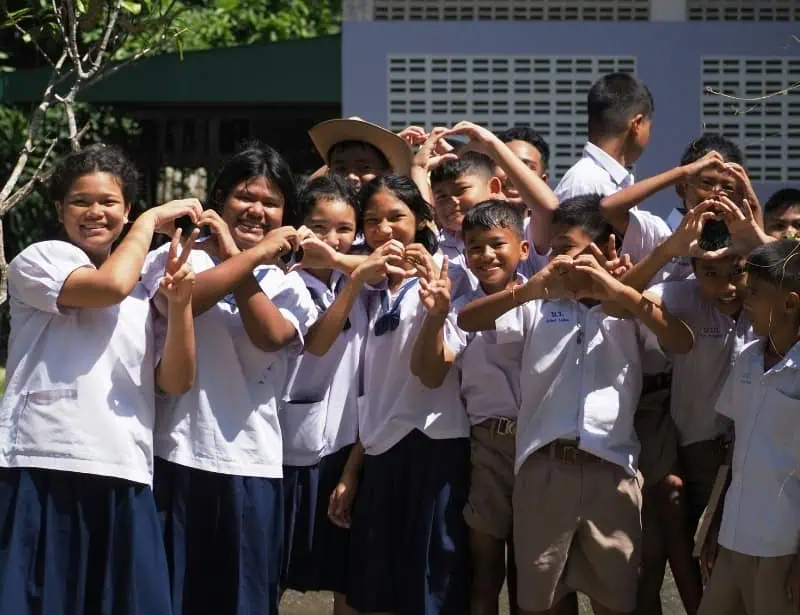
Rotary Organizations
Rotary clubs worldwide coordinate most events. Rotary affiliates and partner organizations join through established networks.
Educational Groups
Schools, universities, and community organizations participate through peace-focused programming. Many civic groups time their February activities around understanding themes.
Community Members
Anyone can observe this day through personal dialogue efforts. The geographic reach spans Rotary's 200+ country presence, but participation goes well past membership boundaries. Organizers actively encourage broader community involvement.
How to Observe World Understanding and Peace Day
Rotary Clubs
Host peace forums bringing together diverse community voices. Organize dialogue events highlighting different perspectives; plan service projects addressing local understanding gaps.
Community Organizations
Develop educational programs exploring conflict resolution techniques. Create collaborative initiatives between groups with different viewpoints—this relates directly to building practical peace skills.
Individual Actions
Engage in meaningful conversations with people holding different opinions. Share educational content about peace-building on social platforms. Support local organizations working on understanding initiatives.
Beyond this, digital participation includes social media campaigns using official resources from rotaryactiongroupforpeace.org.
Why This Observance Matters
Recently, annual awareness has created measurable effects in communities worldwide. Research analyzing post-conflict societies including Rwanda, Sierra Leone, and Somalia indicates that structured peace education approaches significantly enhance social cohesion and sustainable peace outcomes.
Another study shows that 99.7% of participants from a Brazilian correctional facility reported positive effects from a peace education program. They reported reduced anxiety and improved self-understanding.
The current global context makes this work urgent. There are 59 active state-based conflicts globally—the highest number since World War II. In 2024, the economic effect of violence reached $19.97 trillion while peacebuilding investment totaled only $47.2 billion.
Steve Killelea, Founder of the Institute for Economics and Peace, observes: "Over the past decade, peacefulness has declined in nine out of the ten years."
Individual actions compound into community-level transformation. Annual observance keeps focus on dialogue as prevention rather than reaction. This cumulative effect shapes tomorrow's cooperation.
Conclusion
February 23rd offers an annual opportunity to strengthen understanding across differences.
Rotary International provides established networks and resources, but participation remains open to everyone. Find your nearest Rotary club through official directories. Visit Rotary's official website for resources to organize activities.
Your conversations today shape tomorrow's understanding.
Resources:
FAQs (Frequently Asked Questions)
Contact your local Rotary club directly about February 23rd volunteer opportunities. Most clubs need extra hands for community events. You can organize workplace discussions or peace forums at schools. Social media campaigns work too - use #WorldUnderstandingDay to connect with others. Beyond this, many clubs welcome community volunteers year-round for service projects. The official club locator at rotary.org shows nearby chapters and contact details.
Schools host multicultural talks where students share their backgrounds. Guest speakers from the community tell their stories. Student-led peace projects get kids involved in solutions. Art installations pop up in hallways showing unity themes. Conflict resolution skills become part of regular lessons. This relates to Rotary Peace Centers program materials that many schools use. Local clubs often send speakers or partner on joint projects with educators.
Numbers tell part of the story - event attendance, new connections made, partnerships formed. Media coverage indicates community interest. Follow-up activities beyond February 23rd show lasting effect. Rotary clubs track volunteer hours and funds raised for peace work. But personal success matters more. Did you start conversations that continued? Are relationships building across different viewpoints? These human connections determine real progress.
Official World Understanding and Peace Day toolkits aren't widely documented in public sources. The United Nations and UNESCO offer peace-building resources for International Day of Peace in September, but February 23rd materials are harder to find. Contact Rotary International directly since they're honored by this observance. Local UNESCO chapters sometimes have peace-building guides that work for any event. In practice, many organizers create their own materials using general peace education resources.
February 23rd stays consistent worldwide as Rotary International's commemorative date. The focus remains on global peace and understanding through Rotary's framework. But available sources don't detail how different cultures celebrate the day. This suggests standardized observance rather than culturally distinct traditions. Since 2023, the emphasis has been more on local community engagement within Rotary's broader mission.
Barbara is a former journalist who is passionate about translating important causes into engaging narratives. She combines communication expertise with an environmental science background to create accessible, fact-driven content.
