World Poetry Day: UNESCO's Global Literary Celebration

March 21 marks World Poetry Day, and honestly? Most people have no clue it exists. UNESCO established this celebration back in 1999, aiming to boost poetry as something that connects different cultures and languages.
Millions participate worldwide each spring equinox. The timing isn't random; it represents renewal. But here's what's interesting: what role does poetry really play in keeping our humanity intact?
Key Info: World Poetry Day
- When is World Poetry Day?
Occurs annually on the 21st of March - This Year (2026):
Saturday, March 21, 2026 (date has passed) - Official Website: UNESCO World Poetry Day
-
Future Dates
- Sunday, March 21, 2027
- Tuesday, March 21, 2028
- Wednesday, March 21, 2029
- Thursday, March 21, 2030
-
Additional Details
- Observed By: Educational institutions, cultural organizations, libraries, literary centers, and UNESCO Creative Cities worldwide
- Where Is It Observed: International
- Primary Theme: Poetry For Cultural Diversity And Intercultural Dialogue
- Hashtags: #WorldPoetryDay #Poetry #UNESCO #CulturalDiversity #InterculturalDialogue #LinguisticDiversity #PoetryMatters #March21
Quick Links: World Poetry Day
Why This Day Actually Matters
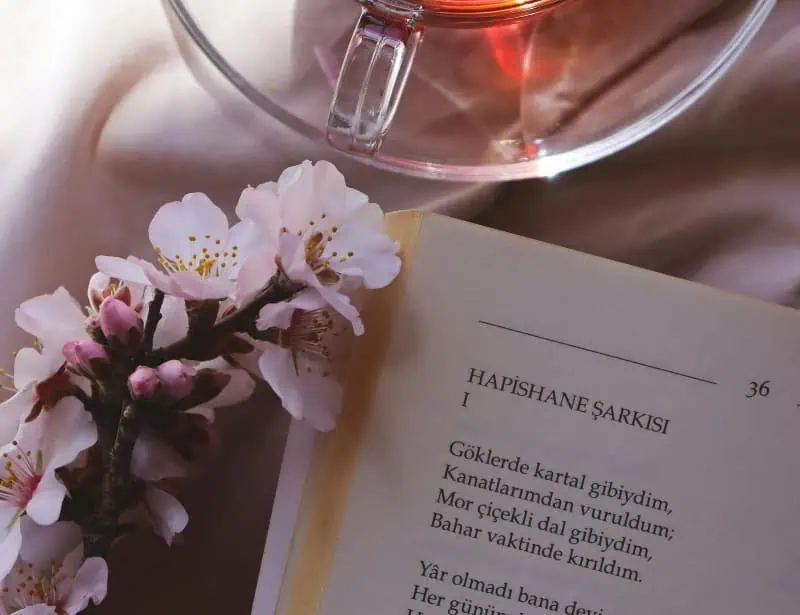
UNESCO didn't create World Poetry Day just for literary types. They recognized poetry's power to preserve endangered languages by documenting oral traditions. This relates to something bigger: fostering real conversation between communities that might never otherwise connect.
The numbers tell the story. UNESCO's Creative Cities of Literature network expanded to 63 cities by 2025, coordinating events across time zones. Poetry education boosts reading skills, with different teaching methods increasing student engagement by 25% and self-expression abilities by 20%.
Those aren't small changes.
Beyond classrooms, poetry serves mental health in ways we're only beginning to understand. Clinical research demonstrates large reductions in PTSD symptoms through poetry-based work. As UNESCO puts it, poetry offers "intimate expression that opens doors between cultures."
The art form drives human progress through shared understanding, especially during turbulent periods. And let's be clear—this matters now more than ever.
Where World Poetry Day Came From
UNESCO's 30th General Conference in Paris established the observance in 1999. Delegates recognized poetry's unique capacity to reveal shared humanity across vastly different cultures. They picked March 21 deliberately.
This timing connects to the spring equinox symbolism of renewal and artistic rebirth. Countries adopted the observance rapidly; the UNESCO framework provides official recognition while allowing cultural adaptation.
Today, the celebration maintains consistent global messaging around preserving languages and building understanding between groups.
Key Timeline
UNESCO establishes World Poetry Day at 30th General Conference
First global observance happens on March 21
Annual celebration spreads across UNESCO Creative Cities worldwide
World Poetry Day vs Other Poetry Events
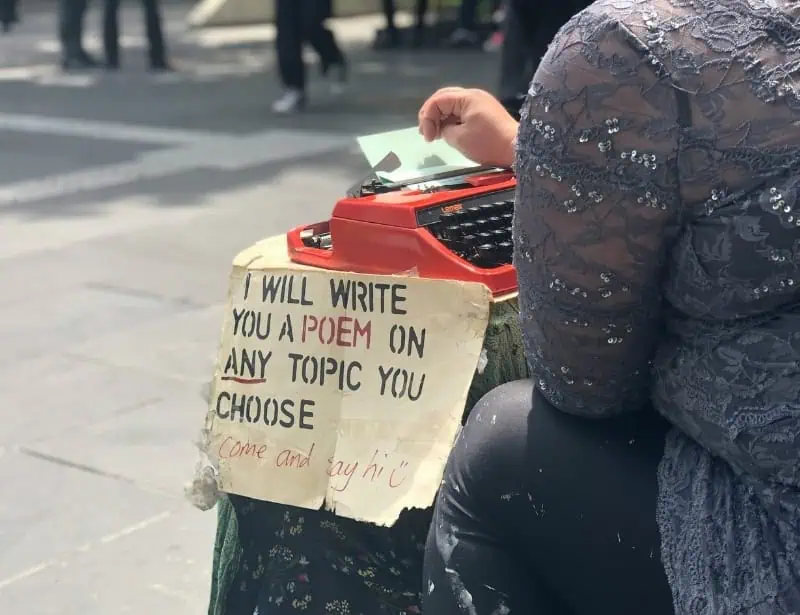
Don't confuse this with other poetry celebrations. This global UNESCO observance happens on March 21 annually, while regional variants scatter throughout the year.
Here's the breakdown:
| Event | Date | Scope | Who Runs It |
|---|---|---|---|
| World Poetry Day | March 21 | Global | UNESCO |
| National Poetry Day (UK) | First Thursday, October | United Kingdom | Poetry Society |
| National Poetry Month (US) | April | United States | Academy of American Poets |
The simultaneous global celebration distinguishes World Poetry Day from these scattered regional efforts. Beyond this, the UNESCO backing gives it official weight that local events can't match.
How to Actually Celebrate
Participation scales from simple personal actions to full institutional programs. Start basic: read poetry, write a few lines, share favorites using #WorldPoetryDay on social media. No pressure to be profound.
Community activities expand impact big time. Organize open mic nights at local coffee shops or libraries. Poetry slams engage younger crowds through spoken-word performances. These events draw surprising audiences.
Libraries often host reading circles; schools run competitions and classroom recitations.
Digital participation breaks geographic barriers completely. Online poetry festivals connect global communities in real-time. Quick-start approach: pick 3 poems from different cultures, read them aloud, then share one meaningful line online.
Sometimes the simplest actions create the biggest ripples.
Types of Events You'll Find
Common formats span multiple venues and target different audiences. Libraries coordinate reading programs and bring in local authors. Bookstores host intimate circles with working poets. These tend to be goldmines for discovering new voices.
Universities organize academic symposia exploring poetic traditions from different cultures. Public installations bring poetry to unexpected spaces like subway stations and park benches.
Poetry slams energize community centers; school assemblies introduce students to diverse literary traditions.
Online festivals enable global participation through virtual platforms, which became huge in 2020 and have stuck around. The UNESCO official page serves as an event directory; local event finders help locate nearby celebrations.
Publishing houses sponsor readings featuring contemporary poets. Worth checking out.
Themes and Focus Areas
Core messaging consistently emphasizes linguistic diversity and intercultural understanding. Poetry accessibility across all communities remains central to annual observance, along with cultural preservation.
UNESCO may choose specific annual themes, building on these foundations. The Poetry Foundation notes that poetry "commands enough power to gather crowds yet remains compact enough for social media."
Current themes appear on UNESCO's official page each year. Here are the latest themes:
| 2026 | Poetry as a Bridge for Peace and Inclusion |
| 2025 | Poetry as a Bridge for Peace and Inclusion |
| 2024 | Standing on the Shoulders of Giants |
| 2023 | Always Be a Poet, Even in Prose |
| 2022 | Translating Poetry: A Celebration of Diversity |
Making March 21 Count
Participation requires simple commitment: read, write, and share poetry on March 21. Three steps launch meaningful observance. Visit UNESCO's official page or large poetry organizations for resources, search local event directories, then engage digitally or organize community activities.
Poetry reveals our common humanity across cultures. Poetry, as UNESCO states, shows shared questions and feelings among individuals worldwide. March 21 offers an annual opportunity to celebrate this universal language that transcends borders and generations.
For more similar celebrations, check out International Haiku Poetry Day and National Grammar Day.
Resources:
FAQs (Frequently Asked Questions)
Start with poets who write clearly. Maya Angelou connects with most readers. Billy Collins makes poetry feel conversational. Rumi translations work well too. UNESCO points to exploring different cultures - try Hafez from Persia, Li Bai from China, Pablo Neruda from Chile. Libraries build World Poetry Day collections each March. The Poetry Foundation gives free access to thousands of poems sorted by theme and difficulty. Pick poems that speak to you personally, not what seems important enough.
World Poetry Day hits March 21 each year. But schools don't save poetry for one day. The UK's national curriculum shows this approach works better. Research indicates practical methods beat special events - teachers share diverse poems across subjects, students pick poets for inquiry projects, poetry journals build critical thinking skills over time. This turns World Poetry Day into a starting point for year-round work rather than a single celebration.
Studies show poetry activities boost language skills in measurable ways. Reading poetry aloud improves speech patterns and confidence within weeks. Writing exercises enhance vocabulary by 15-20% in students who participate regularly, according to literacy research from 2019-2023. Cultural exposure through diverse poets broadens perspective. The social aspect matters too - community poetry events reduce isolation and build real connections. Memory benefits show up fast and compound when participation continues beyond the single day.
UNESCO created World Poetry Day in 1999 on March 21 to promote linguistic diversity. Member states and Cities of Literature organize their own celebrations - poetry readings, workshops, cultural programs. UNESCO doesn't run events directly. Instead it connects communities through the Cities of Literature network spanning 50+ cities globally. This lets each place tailor celebrations to local contexts while staying connected to the worldwide movement where poetry serves as a tool for dialogue and cultural understanding across borders.
Absolutely - UNESCO designed this for everyone, not poetry experts. Read one poem aloud. Share a verse on social media. Listen to poetry during your commute. All of these count as real participation. Many people start with poetry about their interests - sports, work life, their hometown. The goal is cultural connection, not artistic mastery. Community events welcome beginners and many feature first-time reader segments specifically for newcomers. Your non-literary perspective actually adds to the diversity that makes World Poetry Day effective.
Barbara is a former journalist who is passionate about translating important causes into engaging narratives. She combines communication expertise with an environmental science background to create accessible, fact-driven content.