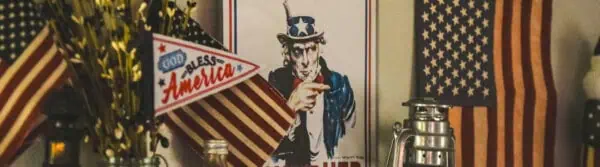
Uncle Sam Day: From Meat Packer to National Symbol

Uncle Sam Day happens every September 13th. President George H.W. Bush made this official back in 1989. The day honors Samuel Wilson from Troy, New York. He was a meat packer who may have inspired our Uncle Sam character during the War of 1812.
But here's the thing about Wilson's story. He supplied barrels marked "U.S." to American troops, and workers called him "Uncle Sam" because he was friendly. Sounds neat and tidy.
However, word expert Barry Popik found "Uncle Sam" references that predate Wilson. Does it matter if the story isn't perfectly accurate? Not really. The iconic figure means more than any single origin tale; Americans link with symbols that represent ordinary people doing important work.
Key Info: National Uncle Sam Day
- When is National Uncle Sam Day?
Occurs annually on the 13th of September - This Year (2026):
Sunday, September 13, 2026 (date has passed) -
Future Dates
- Monday, September 13, 2027
- Wednesday, September 13, 2028
- Thursday, September 13, 2029
- Friday, September 13, 2030
-
Additional Details
- Observed By: American citizens, government institutions, and patriotic organizations
- Where Is It Observed: United States
- Primary Theme: American Patriotic Heritage
- Hashtags: #UncleSamDay #NationalUncleSamDay #AmericanHistory #PatrioticDay #USHistory
Quick Links: Uncle Sam Day
Why Uncle Sam Day Matters
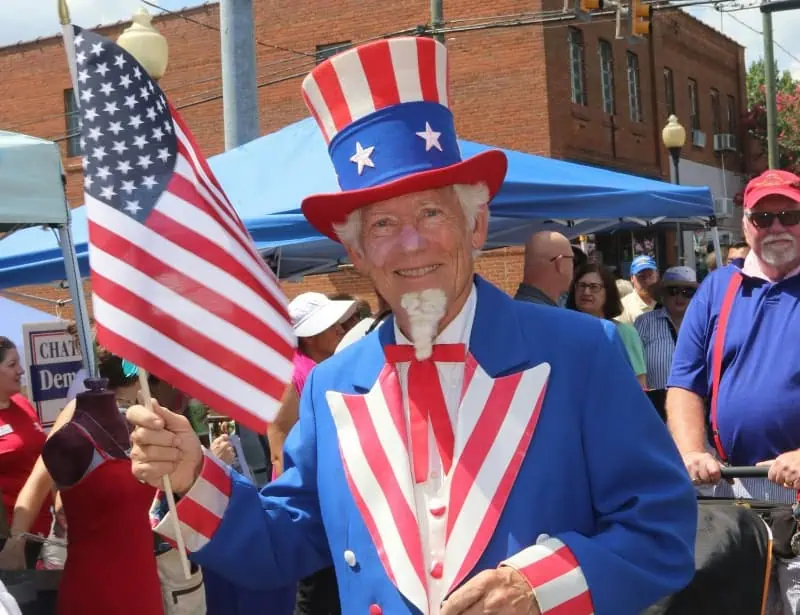
Wilson worked as a meat packer. America was fighting Britain in 1812. His company sent food to soldiers in barrels stamped with "U.S." His workers nicknamed him Uncle Sam—partly for the initials, mostly because he treated people well.
This relationship birthed our government's face. Beyond this, the image grew into something bigger. Museum historian Kathy Sheehan notes Wilson's "Uncle Sam" nickname may have preceded his government contracts, starting from his friendly Troy personality.
The character became a recruitment tool, a political cartoon star, and a national identity. Today, we use Uncle Sam to represent government authority. Sometimes stern, sometimes welcoming. Always recognizably American.
Key Facts About Uncle Sam Day
September 13th marks Wilson's 1766 birth and the annual celebration. Congress passed Public Law 100-645 in 1988 authorizing the observance. Bush followed through with Presidential Proclamation 6016 in 1989 to coincide with Troy's bicentennial that same year.
The observance has national scope but isn't a federal holiday. Most people don't, since most don't know it exists. The Hart Cluett Museum preserves Wilson artifacts, including archaeological materials from his former home site.
Timeline
Samuel Wilson born September 13 in Arlington, Massachusetts
Wilson supplies meat to U.S. Army, "Uncle Sam" nickname emerges
President Bush establishes Uncle Sam Day via presidential proclamation
Proclamation coincides with Troy bicentennial celebration
How People Celebrate
Most Uncle Sam Day activities happen in schools and Troy itself. Communities that participate focus on educational programs that link students to history through character study.
School activities mix this symbol into history lessons and art projects. Some communities hold parades or ceremonies. Veterans' programs tie military service to Uncle Sam's recruitment imagery, which is the "I Want YOU" posters from both World Wars.
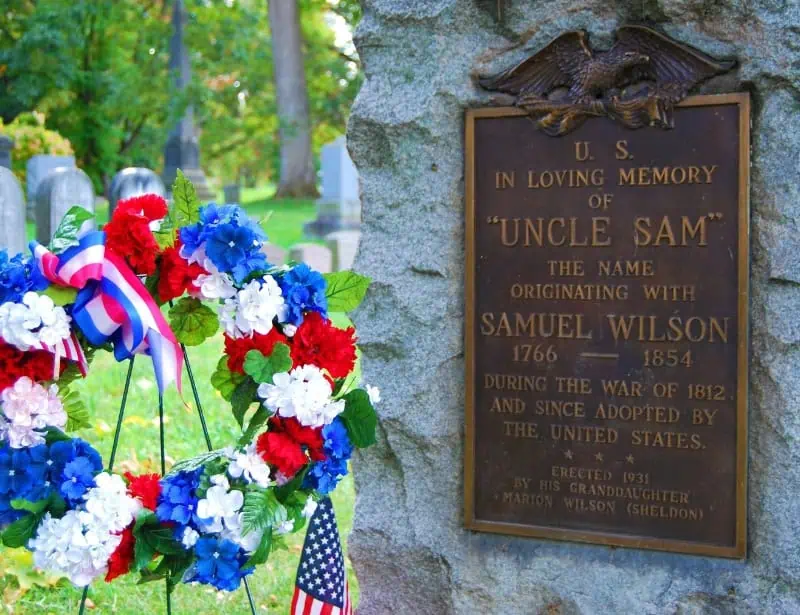
Troy holds an annual graveside ceremony at Oakwood Cemetery, where Wilson rests. The National Archives developed exhibitions exploring government roles in daily life. But honestly? Most Americans let September 13th pass without notice.
What Uncle Sam Day Represents
This observance emphasizes historical preservation over politics. Wilson represents regular people who become national symbols through circumstance and character.
His friendly personality made him memorable to government workers. That personal tie humanizes abstract concepts about democracy and civic duty. American identity grows through these shared stories, even when the details get fuzzy over time.
The day promotes civic education without taking partisan sides. Wilson's legacy shows how individual character shapes national identity. Modern Americans learn that symbols evolve through collective meaning rather than single moments.
Regular people matter. Their stories become our stories.
Getting Involved
Local historical societies offer Uncle Sam Day programming when they remember to. Schools work the day into September civics lessons. Troy welcomes visitors to Wilson-related sites year-round.
The Hart Cluett Museum provides research access for serious students. Citizens can engage by learning about our symbolic heritage and sharing knowledge with others through community participation.
Or you can just remember that somewhere in Troy, New York, a friendly meat packer helped create one of America's most lasting images.
For other American symbols, celebrate them during American Eagle Day and Loyalty Day.
Resources:
FAQs (Frequently Asked Questions)
Uncle Sam started as a nickname before becoming America's most recognized symbol. The name likely came from Samuel Wilson's meat business during the War of 1812, but the look we know today took shape much later. Thomas Nast, the famous political cartoonist, created the lean, bearded figure in patriotic clothes during the 1870s. This built on earlier American characters like Brother Jonathan. The image really stuck after James Montgomery Flagg's 1917 recruitment poster showing Uncle Sam pointing and saying "I Want You." Before that, Uncle Sam was just a loose folk symbol. Through these artists' work, he transformed into the official face of American government that we recognize instantly today.
Uncle Sam represents the American government itself while Lady Liberty stands for our ideals of freedom. When you see Uncle Sam, you're looking at the active voice of government—the entity that collects taxes, recruits soldiers, and makes laws. Lady Liberty welcomes immigrants and shows American values to the world. This relates to Columbia, another female symbol who represents American progress and innovation. Since the early 1900s, Uncle Sam has been the go-to image when artists need to show government action, especially for military recruitment and civic duty. And unlike other symbols, Uncle Sam directly addresses citizens with his famous pointing gesture.
Uncle Sam is known worldwide, but foreign opinions about him vary widely. British cartoonists actually helped create his modern appearance, showing his international influence from the start. During WWII, German intelligence used "Samland" as their code name for America, proving they recognized what Uncle Sam stood for. Today, people across the globe identify the figure instantly as American. This suggests the symbol's reach, though reactions differ based on local attitudes toward US policies. Some countries view Uncle Sam with respect, others with suspicion. The pointing recruitment poster remains his most recognized pose internationally, but we lack solid research on exactly how different cultures interpret the symbol beyond these basics.
People often think Samuel Wilson created Uncle Sam's image—he didn't. Wilson was a meat supplier during the 1812 war whose barrels were stamped "U.S." Workers joked these stood for "Uncle Sam" Wilson rather than "United States." Beyond this connection, most Uncle Sam stories mix fact with fiction. The "U.S." markings weren't unique to Wilson's company but standard government practice for all suppliers. Wilson was indeed called "Uncle Sam" by locals, but historians still debate whether he truly inspired the national symbol or if the nickname was already floating around. The bearded, star-spangled character we know developed decades after Wilson's time through various artists' interpretations.
Uncle Sam thrives online as a versatile meme template. His pointing pose works perfectly for call-to-action marketing and political commentary. Social media users regularly edit the "I Want You" poster to comment on everything from election issues to consumer trends. The image gets steady play during tax season, election years, and military events. Digital marketers have adapted the pointing gesture for email signups and product promotions. Uncle Sam's simple, recognizable design makes him ideal for quick visual communication—exactly what social platforms favor. Recently, Uncle Sam has appeared in augmented reality filters and emoji-style stickers, showing how this 19th-century symbol keeps finding new digital life.
Sources & References
- [1]
-
↩
Barbara is a former journalist who is passionate about translating important causes into engaging narratives. She combines communication expertise with an environmental science background to create accessible, fact-driven content.
