Stephen Foster Memorial Day: America's Musical Heritage

Americans honor their first professional songwriter every January 13. President Truman created this federal observance back in 1951 when Congress passed the resolution. Stephen Collins Foster wrote over 286 songs, including "Oh! Susanna" and "My Old Kentucky Home."
Communities nationwide mark this day with concerts and educational programs celebrating musical heritage. This relates to how his work shaped our national identity.
Key Info: Stephen Foster Memorial Day
- When is Stephen Foster Memorial Day?
Occurs annually on the 13th of January - This Year (2026):
Tuesday, January 13, 2026 (date has passed) -
Future Dates
- Wednesday, January 13, 2027
- Thursday, January 13, 2028
- Saturday, January 13, 2029
- Sunday, January 13, 2030
-
Additional Details
- Observed By: Federal government, cultural institutions, museums, state parks, and performing arts centers
- Where Is It Observed: United States
- Primary Theme: American Musical Heritage
- Hashtags: #StephenFosterMemorialDay #AmericanMusic #MusicalHeritage #StephenFoster #AmericanComposer
Quick Links: Stephen Foster Memorial Day
Why Stephen Foster Memorial Day Exists
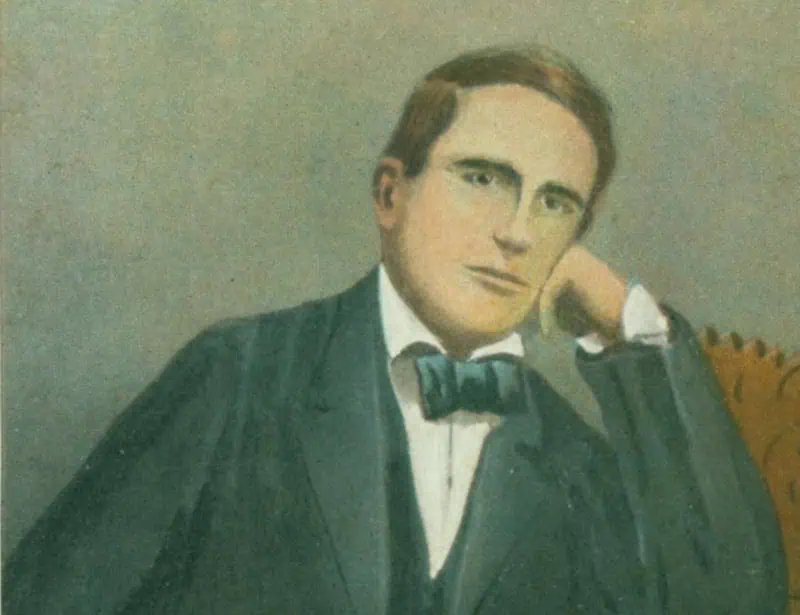
When Foster started writing professionally in the 1850s, no American had done this before. His compositions built the foundation for American popular music during an era dominated by European traditions.
Songs like "Camptown Races" and "Beautiful Dreamer" created distinctly American musical themes that connected with growing national awareness.
Federal recognition became necessary because Foster's work represents major cultural turning points. His music bridged diverse traditions, such as German lieder, Irish melodies, Scottish ballads, and African American religious music.
The 38 cents in Foster's pocket when he died? That tells a story about artistic value versus financial reward that continues today. Modern research shows cultural preservation initiatives create three key benefits: honoring traditions, connecting communities, and creating belonging through shared practice.
Official Federal Recognition Journey
Truman signed Proclamation 2957 on December 13, 1951, following House Joint Resolution 308. The observance gained statutory authority through Title 36 of the United States Code.
This federal observance status differs from national holidays; it authorizes annual presidential proclamations without requiring federal workplace closures.
Stephen Foster born in Lawrenceville, Pennsylvania
Becomes America's first professional songwriter with "Oh! Susanna"
Foster dies in New York, leaving musical legacy
Truman signs congressional resolution establishing memorial day
Formalized as official federal observance
How to Observe Stephen Foster Memorial Day
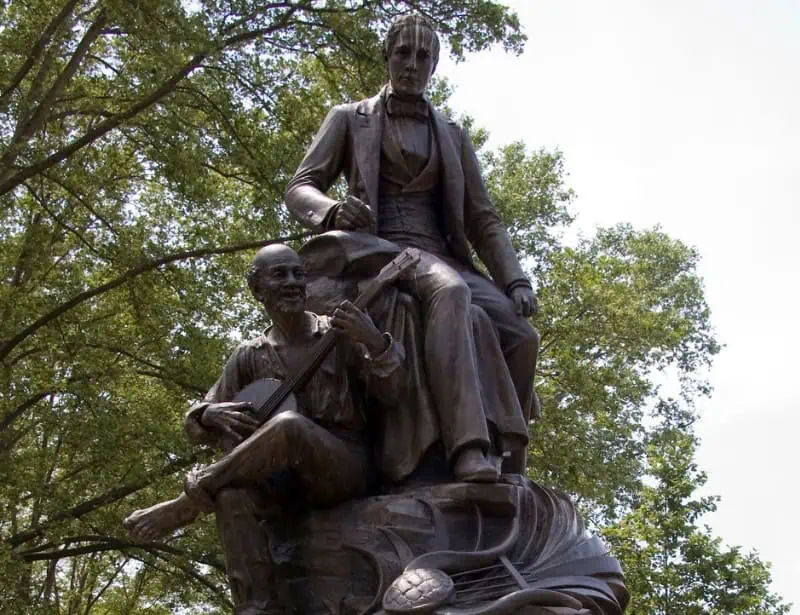
Modern celebration offers several participation pathways:
Visit memorial sites - Stephen Foster Memorial at the University of Pittsburgh houses over 10,000 Foster items, including his personal sketchbook
Attend musical performances - Local orchestras and folk music groups schedule Foster tribute concerts
Explore educational programming - Museums offer workshops on 19th-century American music
Participate virtually - Online concerts make celebration accessible nationwide
Study Foster's complex legacy - Research his connections to minstrelsy and evolving racial attitudes
Support music education - Donate to organizations like the Save the Music Foundation and the National Association for Music Education.
Key Memorial Locations and Programs
The Stephen Foster Memorial at the University of Pittsburgh operates as the main research center. The facility preserves Foster's manuscripts and musical sketches in controlled collections spanning his entire career.
Stephen Foster Folk Culture Center State Park in White Springs, Florida features a 97-bell carillon tower that plays Foster compositions throughout each day. The carillon started at the 1939 World's Fair before moving to this memorial site in 1958.
And My Old Kentucky Home State Park in Bardstown, Kentucky, houses Federal Hill. This location inspired Foster's most famous composition. Park historians note the site offers guided tours exploring both the song's creation and its complicated racial changes during the Jim Crow era.
Each location provides January 13 special activities, including concerts, educational presentations, and community discussions.
Conclusion
Stephen Foster Memorial Day connects modern Americans with musical heritage that continues shaping cultural identity. This January 13, consider participating in local events or exploring Foster's complex but important legacy.
In practice, connecting with nearby cultural institutions helps you find events in your area and take an active role in preserving American musical traditions.
Support another American music event by joining National Country Music Day.
Resources:
FAQs (Frequently Asked Questions)
Foster did something new. He mixed European song structures with American folk tunes. This created the parlor song format that families loved in the 1800s. His melodies sounded distinctly American—different from anything coming from Europe. This approach influenced John Philip Sousa and later George Gershwin. Beyond this, Foster made complex music simple enough for regular people to enjoy. He basically invented the American popular song.
Teachers can use Foster's story to explore American music history. Students learn about 19th-century entertainment and how songs spread before radio existed. Music classes benefit from analyzing his melody structures. History lessons connect his work to westward expansion and cultural identity. Social studies discussions examine how entertainment reflected society's values. In practice, many schools organize singalongs of his less problematic songs like "Oh! Susanna" while discussing the historical context of his era.
This complexity makes the day more important, not less. Foster's work opens conversations about America's past and present values. Today's celebrations focus on his musical contributions while addressing the minstrel show context honestly. Many memorial sites now present his songs through this critical lens. This approach preserves important musical history and fosters discussions about racism in art. Schools use these conversations to teach about artistic responsibility and cultural evolution.
Foster's day differs from general music celebrations. While March is National Music Month, Foster's memorial honors one specific achievement—creating professional American songwriting. It's not about individual genius like Bach's birthday. Instead, it marks when American music started developing its own identity separate from Europe. The focus stays narrow, making it perfect for understanding how our musical culture began.
Foster proved songwriting could pay the bills. He became one of the first Americans to live off composing alone. But here's the problem—copyright laws barely existed then. Foster sold his songs outright instead of keeping royalties. The Music and Entertainment Industry Educators Association found this created a bad pattern. Songwriters got cheated for generations because of these weak protections. Foster showed the creative possibilities while revealing the economic dangers that plagued American musicians until modern copyright reform fixed things.
Barbara is a former journalist who is passionate about translating important causes into engaging narratives. She combines communication expertise with an environmental science background to create accessible, fact-driven content.