
Roe v. Wade Day: Why This Historic Ruling Matters

January 22nd marks Roe v. Wade Day across America. This annual observance marks the 1973 Supreme Court decision that protected abortion access. The date carries deep meaning for reproductive rights advocates nationwide.
Two opposing movements observe January 22nd at the same time. Pro-choice supporters mark the original ruling. Anti-abortion advocates observe National Sanctity of Human Life Day.
This dual recognition creates intense national conversation each year. Both sides mobilize supporters around shared calendar dates.
Key Info: Roe v. Wade Day
- When is Roe v. Wade Day?
Occurs annually on the 22nd of January - This Year (2026):
Thursday, January 22, 2026 (date has passed) -
Future Dates
- Friday, January 22, 2027
- Saturday, January 22, 2028
- Monday, January 22, 2029
- Tuesday, January 22, 2030
-
Additional Details
- Observed By: Pro-choice advocates, women's rights organizations, legal scholars, and general public
- Where Is It Observed: United States
- Primary Theme: Reproductive Rights and Legal History
- Hashtags: #RoeVWade #ReproductiveRights #WomensRights #AbortionRights #January22 #SupremeCourt
Quick Links: Roe v. Wade Day
Historical Background Behind the Date Selection
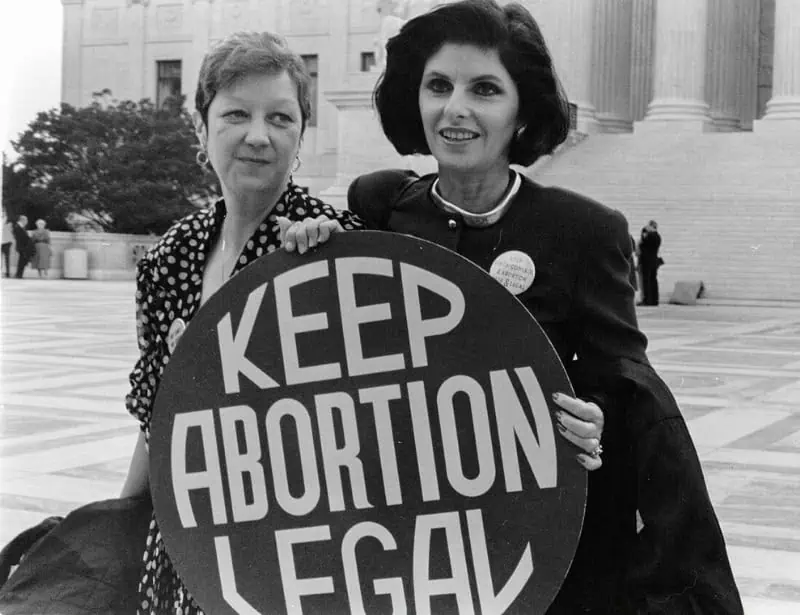
January 22nd became significant when the Supreme Court issued its ruling in 1973. The original case centered on Norma McCorvey, who used the pseudonym Jane Roe to challenge restrictive Texas abortion laws. Her attorneys, Linda Coffee and Sarah Weddington, argued the case through federal courts.
The Court's decision established legal precedent affecting millions of Americans. This ruling changed how states could regulate reproductive healthcare access; the constitutional effect extended far beyond one woman's situation.
Both pro-life and pro-choice movements quickly mobilized around the anniversary. The speed of this commemorative establishment shows how profoundly the ruling shifted America's legal landscape.
Timeline
Norma McCorvey, identified as “Jane Roe” in court documents, challenges Texas abortion laws in federal court.
The U.S. Supreme Court hears arguments in Roe v. Wade, with a reargument held in October 1972.
On January 22, the Supreme Court decides Roe v. Wade, recognizing a constitutional right to abortion under the Fourteenth Amendment's protection of privacy.
Congress adopts the Hyde Amendment, restricting the use of federal funds for most abortions.
The Supreme Court begins addressing major challenges to abortion regulations after Roe, shaping how states can regulate abortion access.
In Planned Parenthood v. Casey, the Supreme Court reaffirms the constitutional protection recognized in Roe while replacing its trimester framework with the “undue burden” standard.
The FDA approves mifepristone for medication abortion, creating a major new method of abortion care in the United States.
In Whole Woman's Health v. Hellerstedt, the Supreme Court strikes down Texas abortion restrictions that it finds impose an undue burden on access.
Green becomes widely associated with the reproductive rights movement in the United States, inspired by Argentina's “Green Wave” and its adoption by abortion-rights activists.
In June Medical Services v. Russo, the Supreme Court blocks a Louisiana admitting-privileges requirement for abortion providers.
The Supreme Court agrees to hear Dobbs v. Jackson Women's Health Organization, a case challenging Mississippi's abortion restrictions and placing Roe directly before the Court.
On June 24, the Supreme Court decides Dobbs v. Jackson Women's Health Organization, overturning Roe v. Wade and Planned Parenthood v. Casey and returning primary authority over abortion regulation to the states. Following Dobbs, state abortion laws become the primary legal framework governing access, with restrictions and protections varying across the country.
The Supreme Court unanimously dismisses a challenge to the FDA's regulation of mifepristone in FDA v. Alliance for Hippocratic Medicine, holding that the challengers lacked standing to bring the case.
Abortion policy remains primarily governed by state law following Dobbs, while ongoing litigation continues to shape the legal boundaries of abortion access and regulation.
Dual Observance Reality and National Effect
Ronald Reagan established National Sanctity of Human Life Day in 1984. This created direct counter-programming to pro-choice observances. Presidential proclamation patterns change with each administration, generating annual cycles of competing messaging.
The March for Life emerged from a meeting of thirty pro-life leaders in October 1973 at Nellie Gray's Washington, D.C. home. The first march on January 22, 1974, drew twenty thousand supporters to the West Steps of the Capitol. By 2009, organizers estimated "the largest March to date, with hundreds of thousands of participants"{3}.
Beyond this, organizations like Planned Parenthood Action Fund designated January 22nd as "Roe Day." NARAL Pro-Choice America established "Blog for Choice Day," encouraging distributed digital participation.
This calendar overlap ensures maximum national attention and civic engagement annually.
Observance Methods and Community Participation
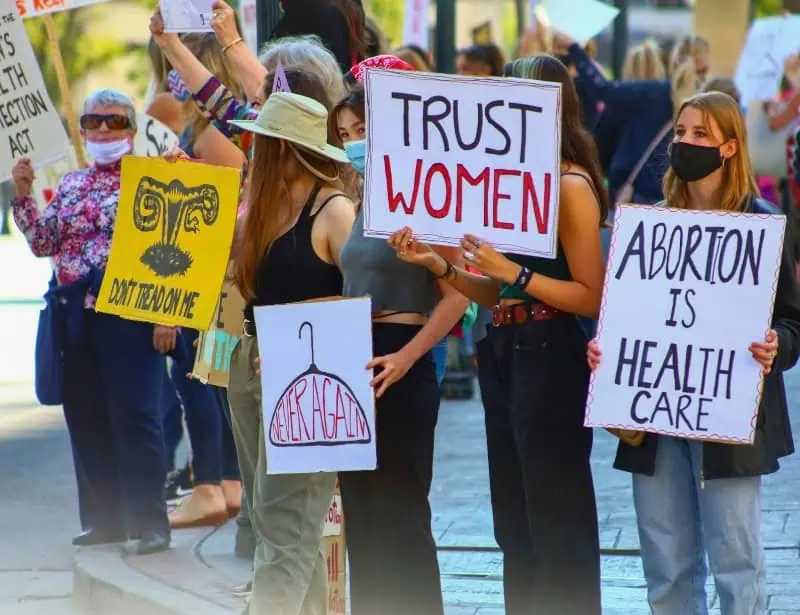
People mark Roe v. Wade Day through diverse activities reflecting their values:
- Use the color green. Green symbolizes hope, life, and reproductive autonomy. Wear green or display a green ribbon to show your support.
- Educational outreach events featuring speakers, panel discussions, and community forums
- Vigils and prayer gatherings often held at state capitols, courthouses, or religious institutions
- Marches and demonstrations ranging from local rallies to major national gatherings
- Digital campaigns using social media platforms to share stories and advocate positions
- Legislative advocacy meetings with elected representatives at multiple government levels
- Community service projects connecting reproductive rights to broader social justice work
Taking Action Beyond January 22nd
Sustained engagement extends the annual observance effect throughout the year. Local event participation provides accessible entry points for community involvement.
Organizations offer volunteer opportunities, educational programs, and advocacy training that build long-term civic capacity. Reproductive rights support takes many forms depending on individual circumstances.
Some focus on electoral participation through voter registration and candidate support. Others prioritize direct service through healthcare access funds or community education programs. And understanding January 22nd's significance helps inform year-round democratic participation.
Further advocate for women by also joining National Women's Health Week and World Contraception Day.
Resources:
FAQs (Frequently Asked Questions)
Yes, but everything changed. Before Dobbs, January 22nd celebrated constitutional protection. Now? It's become a rally cry for state-level fights. Pro-choice groups use this date to organize ballot drives and voter registration. The focus shifted from celebrating established rights to building new ones through elections. Beyond this, many advocates see the day as more important than ever - it reminds people what was lost and what's still possible.
Start with Planned Parenthood and NARAL chapters in your area. They usually promote events through Facebook using terms like "Roe Day" plus your city name. State capitols often host competing events on January 22nd. Universities organize panels or discussions too. Religious groups might hold prayer vigils. This relates to a broader network - contact your local women's center or reproductive health clinic. They know what's happening and when.
The approach depends completely on age. Elementary kids can learn about civic participation - how people advocate peacefully for their beliefs. Middle schoolers? Focus on constitutional concepts about rights and legal decisions. High school students can handle historical analysis of Supreme Court cases. Many organizations create educational toolkits for specific ages. But here's what matters most: match the complexity to what they can actually understand while respecting your family's values.
Absolutely - and many people prefer quieter approaches. Some donate to reproductive health organizations or spend time reading Supreme Court decisions. Community service supporting women and families works too. Digital advocacy means sharing educational content online. Prayer services and interfaith dialogues create space for reflection. This suggests something important: meaningful participation doesn't require marching in the streets.
January 22nd became a strategic battleground. Pro-choice advocates started celebrating immediately after the 1973 ruling. Anti-abortion activists recognized this created perfect timing for counter-messaging. Then Reagan made it official in 1984 - he established National Sanctity of Human Life Day on the exact same date. This wasn't coincidence. Both movements knew competing events on one day would generate maximum media coverage and national conversation.
Barbara is a former journalist who is passionate about translating important causes into engaging narratives. She combines communication expertise with an environmental science background to create accessible, fact-driven content.