Read Across America Week: How To Participate

Read Across America Week turns March 2-6 into a nationwide reading party built around Dr. Seuss's birthday on March 2 and set during National Reading Month. The National Education Association started this thing back in 1998, and now over 50 million people join in every year.
Schools, libraries, whole communities get involved. It's become this annual kickoff that gets kids excited about books way past March.
Key Info: Read Across America Week
- When is Read Across America Week?
Occurs annually starting on the 2nd of March for a week - Official Website: National Education Association
-
Future Dates
- Tuesday 2nd - Monday 8th March 2027
- Thursday 2nd - Wednesday 8th March 2028
- Friday 2nd - Thursday 8th March 2029
- Saturday 2nd - Friday 8th March 2030
-
Additional Details
- Observed By: Schools, libraries, educators, students, and community organizations
- Where Is It Observed: United States
- Primary Theme: Reading Literacy and Community Engagement
- Hashtags: #ReadAcrossAmerica #NEAReads #DrSeuss #ReadingMatters #Literacy #ChampionKindness
Quick Links: Read Across America Week
Why This Week Actually Matters for Reading

America's got a serious reading problem right now. The latest National Assessment data shows 40% of 4th graders can't read at basic levels. That's the worst it's been since 2002.
Scott Marion from the National Center for the Improvement of Educational Assessment puts it bluntly: "The rich get richer, and the poor are getting shafted. It's almost criminal".
The gap between good readers and struggling ones keeps getting wider. When parents read with little kids, those interactions predict how well they'll understand books later and whether they'll want to keep reading.
Read Across America has changed, too. The NEA launched it in 1998 as a one-day celebration of reading. Today, it is a year-round program focused on getting kids and teens to read more by promoting books that reflect different cultures, experiences, and perspectives.
In 2019, the NEA also ended its licensing agreement with Dr. Seuss Enterprises, moving the program away from its long-standing Dr. Seuss-centered branding. The goal is simple: make reading more relevant and accessible to more students.
Timeline: How Read Across America Grew
National Education Association launches Read Across America to get children excited about reading.
March 2 becomes the program’s annual celebration date, traditionally tied to Dr. Seuss’s birthday.
For its 20th anniversary, NEA highlights books that reflect the diversity of students, classrooms, and communities.
NEA ends its licensing agreement with Dr. Seuss Enterprises, replacing the original Cat in the Hat-themed Read Across America logo.
NEA expands its year-round program with a digital calendar featuring diverse books, authors, activities, and resources for readers of different ages.
Read Across America marks its 25th anniversary and launches the Diverse Book Challenge alongside new resources supporting the freedom to read.
NEA builds its celebration around “Story, Sound, and Song,” pairing literature with music and featuring diverse books and authors.
The year-round calendar continues with monthly themes, including “Champion Kindness” in March, alongside recommended books and teaching resources.
What Schools Do During the Week
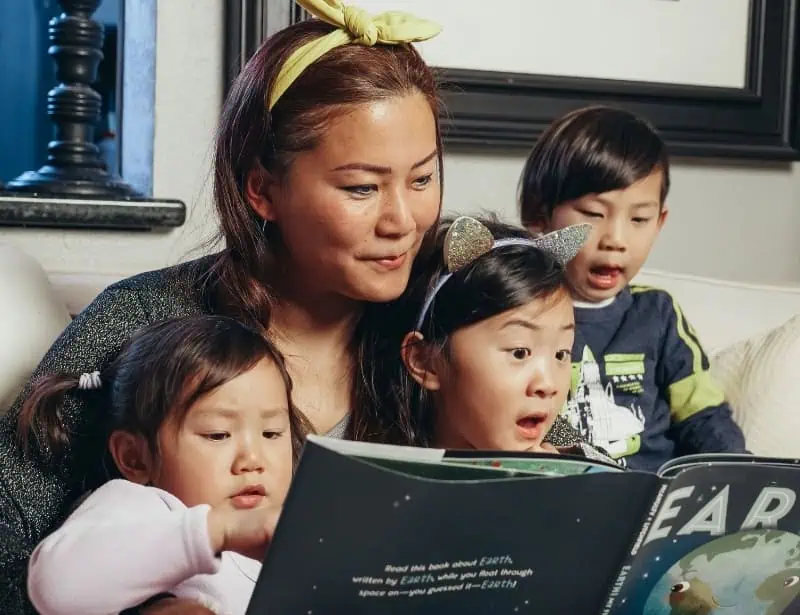
Elementary and high schools plan celebrations that fit their communities. Most follow similar patterns, but each school adds its own twist:
- Guest readers - Local leaders, parents, celebrities visit classrooms
- Character dress-up days - Kids and teachers become favorite book characters
- Read-aloud marathons - Hours of storytelling across all grades
- Author visits - Writers connect with students virtually or in-person
- Reading competitions - School challenges with prizes and recognition
- Character parades - Costume celebrations showing off creativity
- Classroom makeovers - Teachers turn rooms into story worlds
- Buddy reading - Older kids help younger ones with books
- Family reading nights - Evening events bringing parents into school culture
Libraries and Communities Jump In
Public libraries lead community involvement during Read Across America Week. They go beyond just partnering with schools through creative family programs.
Community reading marathons create shared storytelling experiences. Bookstores team up on author events and resource drives. Civic groups sponsor reading initiatives with local business backing.
And recreation centers and community halls host neighborhood story sessions too.
This approach differs from school activities because libraries coordinate timing while keeping their own programming that serves families all year. Both official NEA events and grassroots celebrations help national literacy goals.
Home Ideas for Families
Families can participate whether their kids attend participating schools or not. Daily read-aloud routines anchor the week in shared stories.
Neighborhood book swaps build community around discovering new stories. Book-themed meals add fun to family traditions. Parents create reading challenges with meaningful rewards for finished books or reading time.
Virtual NEA activities connect families to the bigger national movement. Setting up dedicated reading spaces at home shows how key literacy is to the household. When grandparents, parents, and kids read together, it builds storytelling traditions across generations.
Homeschool families adapt school ideas to match their teaching style. These home approaches make literacy celebration accessible no matter what your family looks like.
Getting NEA Resources and Joining In
NEA's Read Across America offers free materials for year-round participation needs. Activity toolkits include lesson plans, reading logs, promotional materials, and guides for educators, parents, and community organizers.
You don't need formal registration to participate; optional resource access just requires email sign-up for updates and themed materials. Each year's content becomes available in January, giving schools and groups time to plan ahead.
Official NEA partnership differs from independent celebration, but both work when done with real commitment to literacy development. The toolkit design ensures quality while encouraging local adaptation.
Your Next Steps
This five-day celebration strengthens America's year-round reading commitment through focused community action. Your participation matches your role, educator, parent, librarian, or advocate. Each contributes uniquely to promoting reading nationwide.
Start by checking NEA's resource site for current materials or begin planning activities that fit your community's needs. Reading advocacy extends far beyond March; this week provides focused momentum for literacy engagement throughout the year.
Boost children's literacy by also participating in National Encourage A Young Writer Day and Read a New Book Month.
Resources:
FAQs (Frequently Asked Questions)
Head to nea.org and find their Read Across America section. Fresh toolkits drop every January. You can grab lesson plans, reading logs, and setup guides without registering, though email signup gets you extra resources. Schools use these materials, but anyone can download them. No formal sign-up needed - just take what works for your celebration.
The week targets everyone, but elementary kids (K-5) get the main focus. Preschools do simple read-alouds with 3-4 year olds. Middle and high schoolers often read to younger students. Adults jump in as volunteer readers or coordinators. The NEA breaks down which activities work best for each age group in their annual materials.
Absolutely. Homeschool families, community groups, libraries, and bookstores all participate. The NEA creates resources for non-school settings. Homeschool co-ops coordinate group events while individual families adapt school activities for home use. Community centers host their own celebrations. "Official" participation just means focusing on reading during that week - no special permission required.
The National Education Association shifted from celebrating Dr. Seuss to promoting diverse authors. Instead of centering everything around his March 2 birthday, they now push year-round reading. The NEA provides 12 months of book recommendations and teaching materials. This change ensures kids from all backgrounds see themselves in the stories they read.
Read Across America Week always runs March 2-6, regardless of weekdays. When March 2 hits a weekend, schools move their activities to school days within that window. Libraries and community groups might stick with the actual weekend dates. The NEA keeps it flexible - the important part is concentrating literacy activities within those five specific days.
Barbara is a former journalist who is passionate about translating important causes into engaging narratives. She combines communication expertise with an environmental science background to create accessible, fact-driven content.