Ratification Day: When America Won True Independence

Ratification Day falls on January 14th each year. This date marks when Congress ratified the Treaty of Paris in 1784. The ratification officially ended the Revolutionary War and secured American independence.
Most Americans mix this up with Constitution Day or other ratification events. January 14th stands apart as the moment when the first 13 colonies became a sovereign nation. The ceremony happened in Maryland's State House during a brutal winter that almost killed American independence.
This day connects us to foundational democratic principles. The ratification process nearly collapsed due to constitutional requirements and harsh weather blocking state delegates. This forgotten anniversary matters for American civic heritage. What if those final delegates hadn't made it?
Key Info: Ratification Day
- When is Ratification Day?
Occurs annually on the 14th of January - This Year (2026):
Wednesday, January 14, 2026 (date has passed) -
Future Dates
- Thursday, January 14, 2027
- Friday, January 14, 2028
- Sunday, January 14, 2029
- Monday, January 14, 2030
-
Additional Details
- Observed By: Historical institutions, educational organizations, and civic groups in the United States
- Where Is It Observed: United States
- Primary Theme: American Independence and Historical Commemoration
- Hashtags: #RatificationDay #TreatyOfParis #AmericanHistory #RevolutionaryWar #AmericanIndependence #January14 #MarylandStateHouse #HistoricalCommemoration
Quick Links: Ratification Day
The Critical Moment: Why January 14, 1784 Changed America Forever
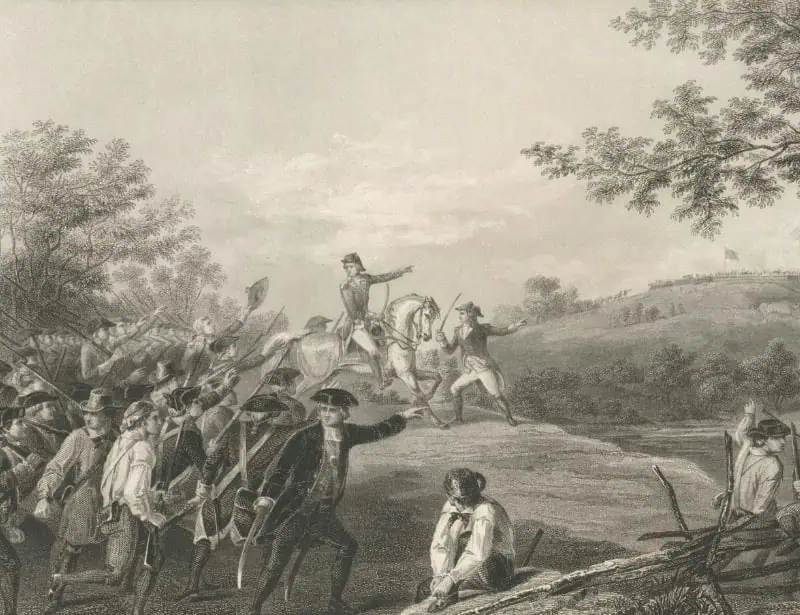
American independence hung by a thread during winter 1783-1784. The Treaty of Paris needed ratification within 6 months of its September 3, 1783, signing. The Articles required 9 states present for treaty ratification. Only 7 states had delegates in Annapolis by January 1784.
Blizzards and ice storms made travel dangerous. Thomas Jefferson warned Congress that ratifying with too few states would be a "dishonorable prostitution" of the Great Seal. Britain would discover this problem and void the treaty entirely.
The crisis ended dramatically on January 14th. Richard Beresford of South Carolina got up from his sickbed in Philadelphia despite his illness. He made the dangerous winter trip to Annapolis just as Connecticut delegates arrived on January 13th.
Congress voted that day with Thomas Mifflin in charge; the vote was unanimous. The ratification changed colonial status into international sovereignty. This fragile moment in the State House altered world history.
Timeline
Treaty of Paris signed in Paris, September 3
Confederation Congress ratifies Treaty in Annapolis
Ratified treaty officially ends Revolutionary War
Annual commemorative observance established nationwide
How to Honor Ratification Day: From Classrooms to Community
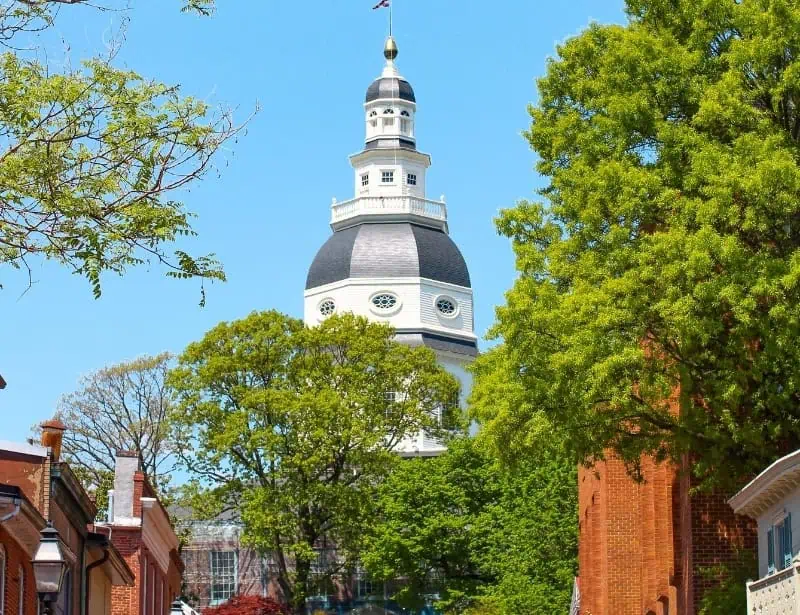
Educational programs bring January 14th alive for new generations. These methods connect historical importance to modern democratic participation:
Visit the Maryland State House in Annapolis, where ratification occurred. The Maryland State Archives reports the restored Old Senate Chamber keeps its 1784 appearance using traditional materials.
Set up school field trips focusing on ratification principles and early governance challenges.
Host community readings of Treaty provisions and ratification documents. Local libraries provide context for neighborhood discussions.
Create social media campaigns sharing ratification facts and constitutional crisis details. Visual storytelling reaches different audiences well.
Start essay contests for students exploring connections between 1784 processes and today's civic participation.
Plan historical reenactments showing dramatic delegate arrivals during harsh winter conditions. Community theater groups excel at bringing history alive.
Organize Constitution study groups examining how ratification principles still shape American governance today.
Support preservation efforts for ratification-connected historical sites. The State House Trust has run ongoing restoration projects for 15 years that need community backing.
Partner with civic organizations like Daughters of the American Revolution chapters for educational programming.
Document local connections to ratification events through genealogy research and community history projects.
From Historical Milestone to Modern Citizenship
The 1784 ratification established lasting principles that strengthen today's processes. Understanding this foundational moment enhances modern citizenship. It shows clear connections between treaty procedures and current constitutional discussions.
This process still determines American governance today. Senate treaty approval follows similar frameworks established back then in Annapolis. State representation requirements echo confederation-era challenges.
Citizens who understand these historical foundations participate more effectively in democratic institutions.
Recently, this constitutional crisis reveals democracy's natural fragility. Weather prevented adequate state representation, nearly derailing American independence through procedural failures. Modern voters face similar challenges when civic participation suffers from practical barriers or gridlock.
Beyond this, historical awareness provides important context for current governance debates. Jefferson's insistence on proper procedures protected American credibility internationally. These precedents guide diplomatic relations centuries later while showing that constitutional requirements matter more than political convenience.
Conclusion
Ratification Day observance maintains historical memory while strengthening civic engagement. January 14th represents democracy's fragile triumph over practical obstacles and constitutional challenges that mirror today's civic struggles.
Citizens interested in commemorative activities can access educational resources through the Maryland State House, Historic Annapolis, and civic organizations nationwide. This transformational moment deserves recognition for establishing sovereignty principles that continue shaping participation.
And the ratification legacy calls modern Americans to active citizenship and constitutional awareness.
Celebrate the country's foundation by also joining Bill of Rights Day on December 15.
Resources:
FAQs (Frequently Asked Questions)
Two different moments in American history. Ratification Day hits January 14th - that's when Congress approved the Treaty of Paris in 1784, officially ending the Revolutionary War. Constitution Day comes September 17th, marking when delegates signed our Constitution in 1787. The treaty made us independent. The Constitution built our government structure.
Pennsylvania militia surrounded Philadelphia's State House in 1783, demanding back pay. Congress packed up and moved to Annapolis. What started as temporary became permanent when delegates realized Maryland's capital worked better. Fewer distractions, decent lodging, and easier to focus during those tough winter months when getting delegates to show up was already hard enough.
Congress had to officially say "yes, we accept these terms." Under the Articles of Confederation, at least nine states needed delegates present to make it count. Once they voted - and it had to be unanimous - the treaty became legally binding. This covered Britain recognizing our independence, setting borders, and securing fishing rights.
Both then and now require formal government approval before treaties take effect. The 1784 process needed nine states represented in Congress, then unanimous approval before exchanging documents with Britain. Today's system works similarly - treaties need Senate approval, then official exchange or deposit of ratification papers. But there's one key difference. Back then, delegates faced a brutal six-month deadline because ships took months crossing the Atlantic. Modern procedures allow more flexible timing.
Plenty of ways to mark the day locally. Libraries host Treaty of Paris readings. Schools run classroom reenactments using actual period documents. The Maryland State Archives offers virtual tours of where it happened. And historical societies coordinate regional events. Civic groups can organize community discussions about what those treaty principles mean today.
Barbara is a former journalist who is passionate about translating important causes into engaging narratives. She combines communication expertise with an environmental science background to create accessible, fact-driven content.