Public Radio Broadcasting Day: How Radio Changed Everything

Public Radio Broadcasting Day falls on January 13th each year. This grassroots celebration honors that first public radio broadcast from New York's Metropolitan Opera House back in 1910. Radio fans mark this anniversary worldwide. Local stations coordinate special programming. Listeners share personal stories across social platforms.
Communities drive the recognition efforts; no official organizations run the show. How does your favorite public radio memory connect you to this century-old tradition?
Unlike National Radio Day on August 20th, this one zeroes in on public broadcasting heritage specifically.
Key Info: Public Radio Broadcasting Day
- When is Public Radio Broadcasting Day?
Occurs annually on the 13th of January - This Year (2026):
Tuesday, January 13, 2026 (date has passed) -
Future Dates
- Wednesday, January 13, 2027
- Thursday, January 13, 2028
- Saturday, January 13, 2029
- Sunday, January 13, 2030
-
Additional Details
- Observed By: Radio enthusiasts, broadcasting professionals, communications history advocates, general public
- Where Is It Observed: United States
- Primary Theme: Radio Broadcasting Heritage
- Hashtags: #PublicRadioBroadcastingDay #RadioHistory #Broadcasting #RadioDay #CommunicationsHistory #MetropolitanOpera #RadioTechnology #BroadcastingHeritage
Quick Links: Public Radio Broadcasting Day
The Historic Broadcast That Started Everything
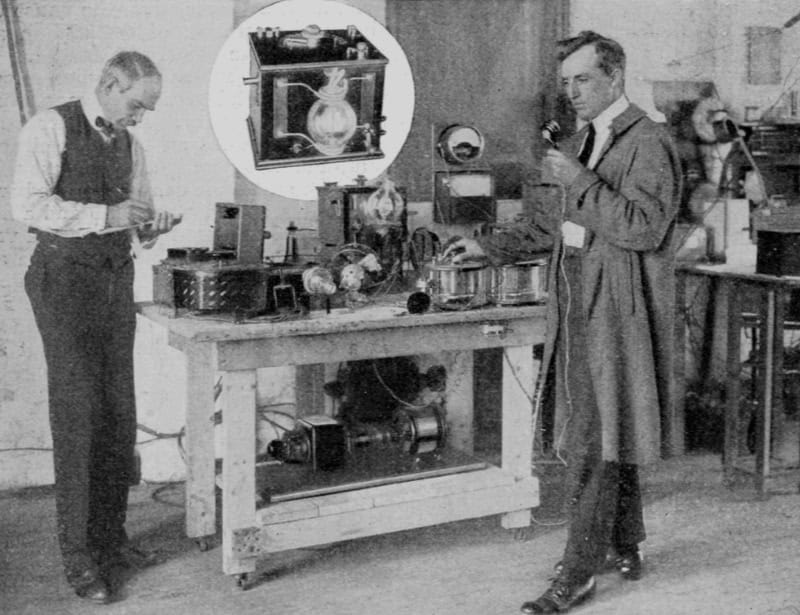
January 13, 1910, shattered cultural barriers permanently. Lee de Forest transmitted live opera from the Metropolitan Opera House featuring Pietro Mascagni's Cavalleria Rusticana and Ruggiero Leoncavallo's I Pagliacci. Renowned tenor Enrico Caruso performed alongside soprano Emmy Destinn for distant audiences.
Contemporary listeners heard only faint, static-laden signals through primitive microphone technology. Yet this experimental broadcast launched public access to live cultural programming.
Earlier pioneers established the groundwork. Reginald Aubrey Fessenden conducted the first genuine radio broadcast on Christmas Eve 1906 from Brant Rock, Massachusetts. De Forest built upon these foundations using his revolutionary Audion triode. A three-electrode vacuum tube that could both detect and amplify radio waves.
This single event connected distant communities through shared listening. Modern public radio continues serving communities rather than commercial interests.
Timeline of Public Radio Progress
Lee de Forest develops the Audion, a three-electrode vacuum tube that amplifies radio signals and makes voice and music broadcasting practical
De Forest patents the Audion, advancing radio from wireless telegraphy toward wireless transmission of voice and music
Lee de Forest broadcasts a live performance from New York’s Metropolitan Opera House on January 13, featuring Enrico Caruso; the broadcast is later commemorated through Public Radio Broadcasting Day
De Forest makes an early radio news broadcast and establishes a radio broadcasting station, demonstrating radio’s potential beyond experimental entertainment
KDKA in Pittsburgh broadcasts the Harding–Cox election returns on November 2, an event widely recognized as the first commercial radio broadcast in the United States
The University of Minnesota’s WLB receives a full broadcasting license on January 13, establishing an important early educational radio station and another January 13 milestone in U.S. radio history
Edwin Howard Armstrong demonstrates frequency modulation (FM), introducing a technology capable of substantially reducing the static and interference associated with AM broadcasting
The FCC reallocates the FM band and establishes the 88–92 MHz portion for noncommercial educational FM broadcasting, creating an important technical foundation for modern public radio
The National Association of Educational Broadcasters begins distributing programs to noncommercial radio stations through a national network, strengthening cooperation among educational broadcasters
President Lyndon B. Johnson signs the Public Broadcasting Act, creating the Corporation for Public Broadcasting and establishing the federal framework for modern public broadcasting
National Public Radio (NPR) is incorporated on February 26 as a national organization created by public radio stations to develop and distribute programming
NPR begins broadcasting nationally, with All Things Considered premiering on May 3 and establishing a major national news and public-affairs service for public radio stations
Public radio begins using satellite-based interconnection, greatly improving the reliability and efficiency of distributing national programming among stations
Public radio expands beyond terrestrial broadcasting through satellite, digital radio, websites, and other emerging digital platforms
NPR and public radio stations begin podcasting, extending public radio programming from scheduled broadcasts to on-demand digital audio
How Stations and Communities Celebrate
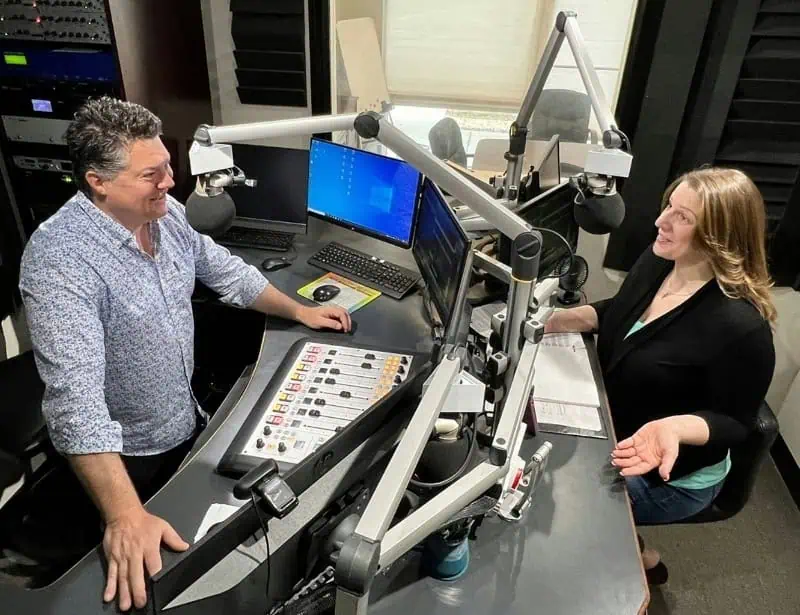
Radio stations embrace heritage through creative programming. Many reenact the 1910 Metropolitan Opera broadcast using period music and historical commentary. Behind-the-scenes tours reveal studio operations to curious listeners.
Technical demonstrations showcase the shift from de Forest's primitive equipment to digital transmission systems.
Community partnerships boost local reach. Local opera companies collaborate on special performances honoring Caruso's historic broadcast. Museums display vintage radio equipment alongside broadcasting timeline exhibits; cultural organizations share stories connecting early radio with current community programming needs.
Social media campaigns gather listener memories across generations. Stations encourage followers to share personal radio stories through photo contests featuring vintage collections and family listening traditions. Interactive polls explore favorite programs while building community connections.
This relates to education programs that connect with younger audiences. Radio camps teach broadcasting skills. Oral history projects document community heritage through interviews with elders. Engineering demonstrations connect past innovations with current technology through hands-on experiments.
Supporting Broadcasting Heritage
Tune into special January 13th programming at local public radio stations. Share personal radio stories on social media using #PublicRadioDay hashtags. These contributions help document community broadcasting, broadcasting over decades.
Support local stations through donations or volunteer work during fundraising drives. Public radio depends on listener contributions for basic funding. The Library of Congress has transferred approximately 30,000 radio broadcasts from at-risk formats to stable media. Yet preservation challenges keep growing.
In practice, the Radio Preservation Task Force coordinates nationwide efforts to protect broadcast heritage. According to preservation specialists, original radio media faces ongoing degradation as "tape remains vulnerable to mold, brittleness, and signal loss". Your advocacy determines policy decisions affecting future broadcasting access.
Contact elected representatives highlighting personal radio benefits. Public broadcasting faces budget pressures requiring community support.
Resources:
FAQs (Frequently Asked Questions)
De Forest's 1910 broadcast used a 500-watt transmitter with microphones scattered around the Met's stage. The antenna system was basic but revolutionary for its time. Today's digital broadcasting is worlds apart in quality and reach. But the core idea stays the same—converting sound into wireless signals. The Smithsonian and Guinness World Records document his equipment well. What's missing? Good technical comparisons between then and now.
Teachers can build hands-on lessons around 1910 audio tech versus today's equipment. Crystal radio construction projects work great. Students research local radio station histories or interview neighbors about their radio memories. Some classes produce "historical broadcasts" recreating that Metropolitan Opera performance. The day fits perfectly into media literacy units. Radio shaped democracy and culture throughout the 20th century.
Early radio archives are vanishing because the magnetic tapes and old media formats are breaking down. Many community stations can't afford proper preservation. The American Archive of Public Broadcasting partners with the Library of Congress and GBH Boston to save content from the past 60 years. The HBCU Radio Preservation Project helps 29 historically Black college stations digitize their collections. The Mellon Foundation funds training and technical support for these efforts.
The research doesn't support this connection clearly. The 1910 broadcast mattered symbolically in American radio history. But it had limited reach due to poor signal quality. No evidence shows it directly influenced other countries' radio development. The Met started shortwave broadcasts to Latin America in the late 1930s and early 1940s. That's decades later and doesn't link back to the 1910 transmission.
Public radio runs on listener donations and government funding instead of advertising dollars. This means educational content, deep news analysis, and cultural programming without commercial breaks. Public Radio Broadcasting Day connects to the 1910 Metropolitan Opera broadcast because that event prioritized cultural access over profit. Modern public radio continues this mission by serving community needs rather than advertiser demands.
Barbara is a former journalist who is passionate about translating important causes into engaging narratives. She combines communication expertise with an environmental science background to create accessible, fact-driven content.