Opera Day: A Global Celebration of Musical Excellence

Two dates celebrate opera worldwide. February 8th marks American Opera Day. October 25th? That's World Opera Day internationally. OPERA America and Opera Europa created these celebrations to make opera less intimidating, and it's working.
World Opera Day started with the first World Opera Forum at Teatro Real Madrid in 2018. The October date honors composers Georges Bizet and Johann Strauss II, who shared this birthday.
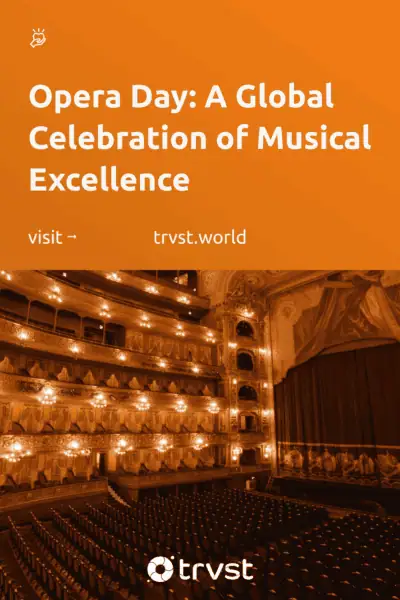
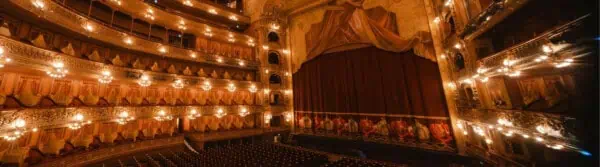
February's celebration focuses more on the architecture. Different approaches, same goal: getting people through those imposing theater doors.
Key Info: World Opera Day
- When is World Opera Day?
Occurs annually on the 8th of February - This Year (2026):
Sunday, February 8, 2026 (date has passed) - Official Website: World Opera Day
-
Future Dates
- Monday, February 8, 2027
- Tuesday, February 8, 2028
- Thursday, February 8, 2029
- Friday, February 8, 2030
-
Additional Details
- Observed By: Opera houses, performers, cultural institutions, and opera enthusiasts worldwide
- Where Is It Observed: International
- Primary Theme: Celebration of Operatic Arts and Heritage
- Hashtags: #WorldOperaDay #OperaDay #Opera #ClassicalMusic #OperaCulture
Quick Links: Opera Day
Opera Day Significance and Purpose

Why does opera need its own day? UNESCO's December 2023 decision provides a clear answer. Italian Opera Singing joined the Intangible Cultural Heritage list after a twelve-year process. Italian Culture Minister Gennaro Sangiuliano called it "something historic," representing global excellence.
This recognition moves opera from entertainment into necessity. Opera Europa's research shows European companies alone represent 10 billion euros annually and employ 200,000 individuals.
Many still see opera as exclusive territory. Reserved for cultural elites, right? Opera Day challenges this head-on.
Key Observance Details and Regional Differences
February 8th emphasizes architectural appreciation and venue exploration. American organizations coordinate educational programming around this date. October 25th aligns with international composer celebrations through worldoperaday.com promotion.
Geographic preferences reflect regional opera traditions. United States organizations favor February programming. European and Latin American companies gravitate toward October observances. Both share identical goals despite different entry points.
Timeline
World Opera Day initiative begins promoting October 25th date
February 8th observance established through opera organization collaboration
UNESCO recognition reinforces cultural heritage messaging
Dual-date global observance with regional preferences
The distinction matters for programming alignment. October connects opera to composer heritage directly; February positions opera houses as architectural treasures worth exploring on their own.
Celebration Methods and Participation

Participating on this day is about immersion, not just listening.
Core Activities:
- Backstage revelations - Artisan workshops showcase costume creation and set construction
- Architectural explorations - Historic venue tours emphasize cultural landmark status
- Community bridges - Neighborhood pop-up performances break venue barriers
- Digital doorways - Virtual programming serves global audiences simultaneously
OPERA America research reveals 28% of recent attendees are newcomers, with 50% engaging digital content before live experiences. This reshapes traditional programming assumptions completely.
When venues use these insights through community outreach, they get results. The Arena di Verona shows international appeal. Over half of its 400,000 annual spectators are foreigners. Opera transcends cultural boundaries when given the chance.
Key Themes and Annual Focus Areas
February celebrations position opera houses as cultural landmarks requiring preservation and exploration. Architectural heritage intersects with artistic legacy through venue-centered programming.
October observances emphasize societal contributions and community building. This frames opera as a bridge-builder rather than exclusive entertainment.
Both approaches avoid preaching while promoting real accessibility. Annual themes stay adaptable while maintaining core messaging. Cultural preservation demands innovation to survive modern audience expectations. Has to.
Your Next Steps
Opera Day participation starts with choosing your preferred celebration date and exploring local programming. Official channels provide current opportunities for community involvement and ongoing engagement.
Your participation extends opera's reach beyond traditional boundaries.
Local companies welcome newcomers through year-round programming designed for diverse audiences and cultural backgrounds.
Appreciate other art forms by celebrating National Short Film Day and Global Art Day.
Resources:
FAQs (Frequently Asked Questions)
Opera houses now stream performances and host virtual events to reach people who can't visit in person. The OperaStreaming project in Italy shows how this works well. Seattle Opera built online communities where fans connect and learn, according to Wallace Foundation research. Beyond this, companies create AR experiences and digital education materials that work for both longtime fans and curious newcomers. These tech approaches make Opera Day celebrations available to almost anyone.
Schools bring in singers for workshops where students can try opera techniques firsthand. Many organize youth performances where kids take the stage themselves. Since 2020, schools have added opera history to music classes during the weeks around Opera Day. Some teachers arrange trips to nearby opera houses so students can see the backstage areas and learn about production. And unlike regular field trips, these often include hands-on activities with costumes or set pieces.
Opera Day fills restaurants, hotels and shops near performance venues. Americans for the Arts found cultural events generate billions in economic activity nationwide. A 2025 study points to direct benefits in jobs, tourism, and business support throughout the region. This relates to more than just ticket sales - the whole supply chain gets a boost. Since 2024, opera companies face growing money problems though, making community backing and diverse funding essential for keeping these benefits alive.
Opera companies coordinate broadcasts that happen at the same time around the world. They swap singers, directors and ideas during special Opera Day exchanges. This creates connections between different cultural traditions. Many share teaching materials and lesson plans with each other too. Today, their joint social media campaigns help spread excitement for opera across countries and languages that might not otherwise connect.
First-timers can grab simple story guides and attend pre-show talks that explain what to expect. Many theaters offer building tours just for newcomers on Opera Day. Staff members stay available specifically to answer questions from new audience members. Some venues created phone apps that explain what's happening during the show without disturbing others. These tools help people enjoy their first opera without feeling lost or overwhelmed.
Sources & References
- [1]
- OPERA America & NORC at University of Chicago. (2022-2024). Opera audience research study on post-pandemic attendance patterns and demographics.
↩ - [2]
- UNESCO. (2023). Italian Opera Singing added to Intangible Cultural Heritage of Humanity list.
↩ - [3]
- Opera Europa. (2022). European opera industry analysis and membership database statistics.
↩ - [4]
- Academic research studies. (N/A). Mental health and social cohesion research on opera's therapeutic community impact.
↩
Barbara is a former journalist who is passionate about translating important causes into engaging narratives. She combines communication expertise with an environmental science background to create accessible, fact-driven content.