National Orange Blossom Day: History, Facts & Activities

June 27th marks National Orange Blossom Day each year. This community-driven celebration honors Florida's most fragrant symbol. People living in Florida feel a special connection to these sweet-smelling flowers. Back in 1909, Florida made it official when orange blossoms became the state flower through Concurrent Resolution No. 15.
Each flower displays five white petals in a simple star pattern. Their sweet smell fills the air when spring arrives in citrus-growing areas. These aren't just pretty flowers, though. They predict the coming harvest that drives Florida's economy.
Have you ever caught that unmistakable scent while driving past orange groves? Many folks say it triggers memories stronger than almost any other plant fragrance.
Key Info: National Orange Blossom Day
- When is National Orange Blossom Day?
Occurs annually on the 27th of June - This Year (2026):
Saturday, June 27, 2026 (date has passed) -
Future Dates
- Sunday, June 27, 2027
- Tuesday, June 27, 2028
- Wednesday, June 27, 2029
- Thursday, June 27, 2030
-
Additional Details
- Observed By: Gardeners, culinary enthusiasts, and residents of citrus-growing regions, particularly in Florida
- Where Is It Observed: United States
- Primary Theme: Floral and Agricultural Appreciation
- Hashtags: #OrangeBlossomDay #FloridaStateFlower #CitrusBloom #OrangeBlossom #FloralHeritage
Quick Links: National Orange Blossom Day
The Cultural and Agricultural Significance of Orange Blossoms
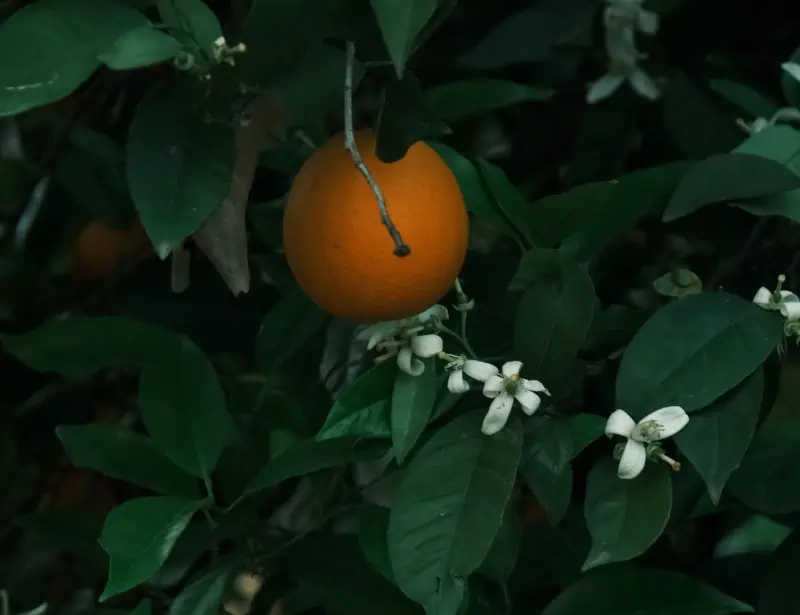
Orange blossoms mean different things across various cultures. Wedding traditions often feature them to represent purity and new beginnings. Queen Victoria started the trend of bridal orange blossom bouquets
From a farming perspective, these flowers mark a critical moment. Their successful pollination directly affects how many oranges farmers will harvest.
When Florida needed to pick a state flower, orange blossoms won against tough competition from gardenias and camellias. This choice reflected both practical economics and cultural identity. Mediterranean cooking has used these blossoms in traditional recipes for hundreds of years.
The citrus industry generated $6.935 billion for Florida's economy during the 2020-2021 marketing year while supporting 32,542 jobs across the state. Throughout citrus regions, spring festivals celebrate these flowers as signs of good fortune to come.
A single orange blossom can tell a whole story. About possibility.
Origins and Evolution of National Orange Blossom Day
National Orange Blossom Day developed alongside growing interest in Florida's agricultural heritage. The celebration fits naturally into the state's farming calendar. Spanish explorers first brought citrus to Florida soil in the early 1500s. Ponce de León's travels between 1513 and 1565 introduced the first orange seeds to the region.
Naturalist William Bartram documented established groves along the St. Johns River by 1774. During his explorations, he noted their "sweet fragrance" that carried on the breeze.
Today's celebration happens during key seasonal transitions for citrus growers. When orange trees bloom, entire counties transform into sweet-smelling landscapes. Over time, local traditions grew alongside the commercial importance of citrus. This day now represents both farming success and cultural continuity for communities throughout Florida.
Celebrating National Orange Blossom Day: Practical Guide
Kitchen Ideas
Orange blossom water adds unique flavor to many recipes. Middle Eastern pastries get their characteristic taste from this ingredient. Florida produces special orange blossom honey with subtle citrus hints. You can make simple syrups at home for drinks or desserts using this floral essence.
Farm Connections
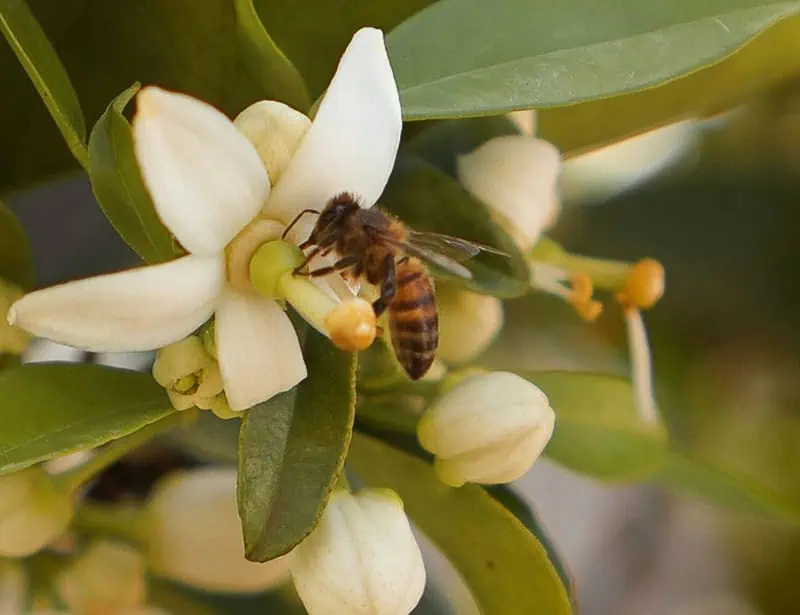
Visiting citrus groves during flowering season creates lasting memories. Buying from local citrus farmers helps protect Florida's agricultural traditions. Learning about how bees pollinate these flowers shows important ecological relationships.
Sensory Experiences
Essential oils capture the scent of orange blossoms year-round. Some local workshops teach traditional methods for extracting these fragrances. Home projects can preserve these smells through various creative approaches. This scent creates powerful memory links that span generations.
Cultural Exploration
Looking into how different traditions view these flowers reveals widespread appreciation. Heritage activities around Florida connect past and present growing practices. Historic photos show how landscapes and farming methods have changed. Orange blossoms appear on everything from old tourism posters to government seals throughout Florida's history.
Creative Projects
Botanical drawing classes focus on capturing the flower's unique structure. Photography enthusiasts try to document the brief blooming period. Some people press the flowers to preserve them beyond their short season. Artists interpret both the beauty and cultural meaning in various ways.
Community Activities
Neighborhood gatherings featuring orange blossom tea build community connections. Workshops teach home gardeners how to grow citrus trees. School programs use hands-on activities to teach kids about Florida's plant heritage. These events create clear connections to Florida's botanical symbol.
Regional Significance and Local Celebrations
Florida's relationship with orange blossoms goes beyond just having a state flower. Towns throughout the citrus belt include blossom themes in their spring events. Polk County's Florida Citrus Festival showcases agricultural traditions with exhibits and demonstrations. Historic orange-growing areas host special events when the trees start flowering.
Marc Frank, Extension Botanist at the Florida Museum of Natural History, puts it perfectly: "I can't imagine living in Florida without the air perfumed by orange blossoms each spring". Most long-time Floridians share this feeling.
Even the famous Orange Blossom Trail keeps this connection alive through its name. Local celebrations reflect different growing conditions across regions. And since northern counties see earlier blooms than southern areas, these celebrations stretch across several weeks statewide.
Orange Blossom Products and Cooking Uses
Products made from orange blossoms extend their presence beyond their brief flowering time. Orange blossom water, made through steam distillation, gives Middle Eastern and Mediterranean foods their distinctive character. Bakers use this ingredient in traditional cookies and cakes. Neroli oil, also extracted from these flowers, provides base notes for fine perfumes.
Florida's orange blossom honey production brings in millions yearly. This amber-colored honey has subtle citrus notes unlike any other variety. People use it in everything from breakfast toast to meat glazes.
Regional recipes showcase different ways to use orange blossoms. Southern cooks add orange blossom water to pound cakes; Lebanese and Turkish desserts require it for authentic flavor. Moroccan cooking pairs it with savory dishes.
I started making my own orange blossom tea last spring—didn't work out. The flavor was too subtle, but the aroma filled my kitchen for days.
Home enthusiasts sometimes make their own infusions with dried blossoms. These can become teas, cocktail ingredients, or cooking extracts that last all year. Store-bought products offer convenience while supporting farming communities facing serious challenges.
Celebrating Florida's Fragrant Heritage
National Orange Blossom Day recognizes both natural beauty and farming importance. These iconic flowers connect people to seasonal patterns and agricultural traditions. Despite serious industry problems, such as citrus greening disease, these resilient blossoms still appear each spring. Their fragrance signals new beginnings.
Starting your own orange blossom traditions helps strengthen your connection to these natural cycles. This suggests more than just passive appreciation. Whether through cooking, growing, or community events, these flowers reward deeper engagement.
Next time you encounter orange blossoms—in perfume, honey, or on actual trees—take a moment to appreciate what they mean beyond just looking pretty. They've shaped Florida's identity for generations.
Appreciate nature further by also celebrating National Public Gardens Day and National Love a Tree Day.
Resources:
FAQs (Frequently Asked Questions)
Recent research shows orange blossom derivatives can lower blood pressure and heart rate. A 2025 study found they also help with sleep quality. This connects to their traditional use for anxiety and insomnia problems. The effects seem strongest in oil extracts used in small amounts.
Bitter orange (*Citrus aurantium*) tops the commercial value charts, used in high-end perfumes as neroli. Fragrance experts at Bois de Jasmin point to its complex scent profile. Sweet orange (*Citrus sinensis*) creates the most soothing aroma for therapy uses. Blood orange has gained attention for its sweet-tart scent that works well in both beauty products and gourmet foods. Candlelore's botanical team tracked these trends across global markets.
Bloom cycles get thrown off when temperatures rise unpredictably. Farmonaut's 2025 analysis shows this disruption alongside increased disease threats like citrus greening. Rain patterns that shift without warning reduce both fruit quality and total yields. This suggests serious trouble for growers without new approaches. EssFeed researchers found similar patterns across major growing regions, with Florida and Spain facing the most immediate challenges.
Farmers in Florida now use precision watering systems that cut water use by 40%. This saves resources while keeping trees healthy. Smart sensors detect early disease signs before they spread through groves. Since 2023, research at CitrusLabs has focused on drought-resistant rootstocks that need less water. Beyond this, some growers plant companion crops that bring helpful insects to control pests naturally. Shade nets protect blooms from extreme heat while solar panels power these systems on many farms. One standalone technique - selective pruning - extends the productive life of older trees by 7-8 years.
Barbara is a former journalist who is passionate about translating important causes into engaging narratives. She combines communication expertise with an environmental science background to create accessible, fact-driven content.